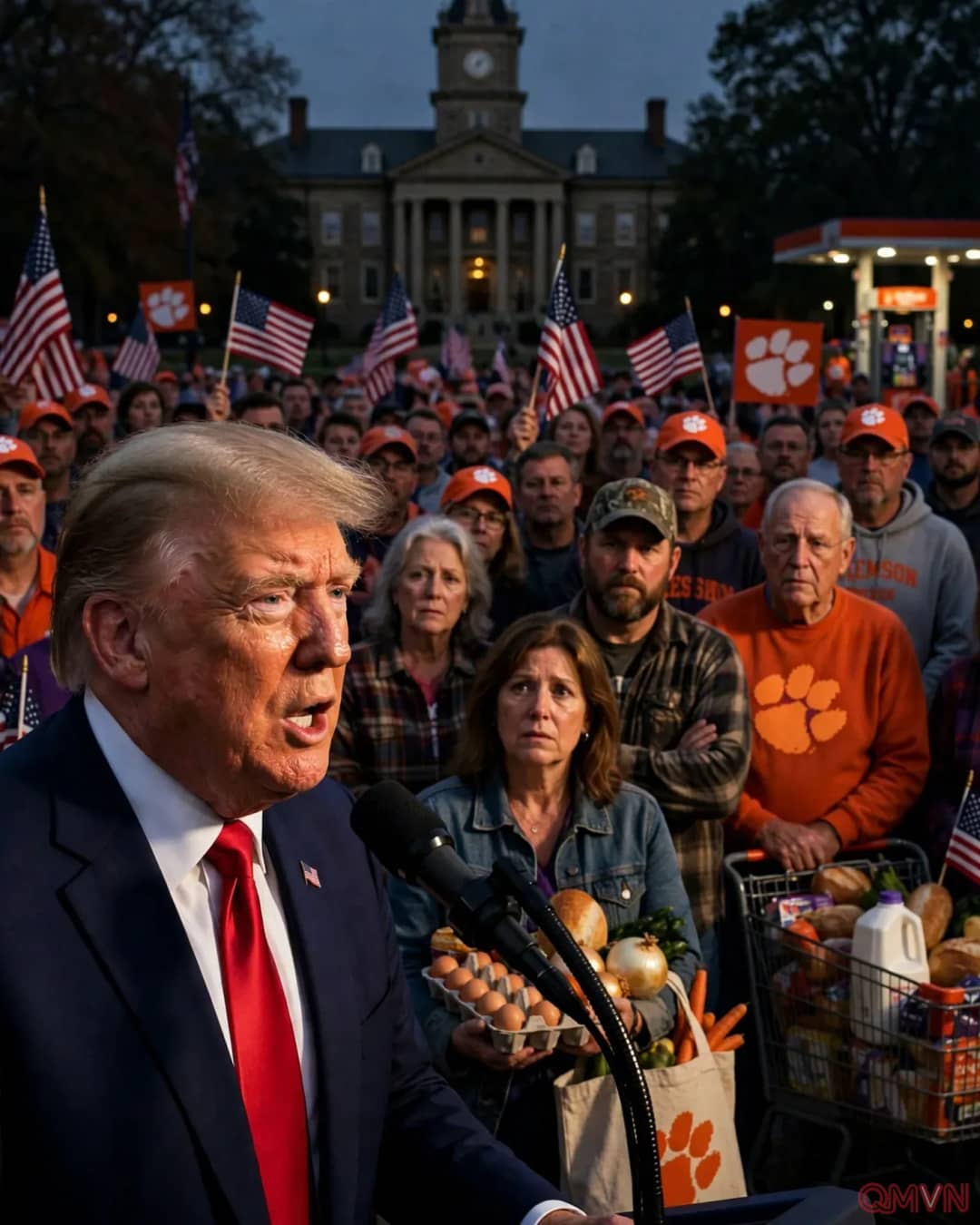
When Foreign Policy Becomes a Kitchen-Table Issue
Not since 2006 – when President George W. Bush’s Republicans lost both chambers of Congress as he was mired in the unpopular Iraq war – has a US president’s handling of international events appeared so central to the midterms. This time the political backlash could be even bigger, because voters feel the economic pain directly through gasoline prices and grocery bills. Some notable figures:
- About 78% of Americans blame Trump’s policies for prices outpacing their earnings, according to an early-October Reuters/Ipsos poll.
- Trump’s approval rating fell to 31%, the lowest in either of his terms, according to a Reuters/Ipsos poll that closed on October 19.
- On the generic congressional ballot, 47% of registered voters chose Democrats versus 35% for Republicans.
The bottom line is people are experiencing the impact of Trump’s war and other policies.
Politics Driving Foreign Policy
Despite his public denials, Trump appears to see the line voters are drawing between his foreign policy and their cost of living, prompting some controversial moves ahead of the vote. He lifted sanctions on Russian diesel exports to bring down fuel prices – a step critics, including some fellow Republicans, say reinforces the impression that he is increasingly siding with Moscow.