MAIN ARTICLE
The weight of a historical comparison
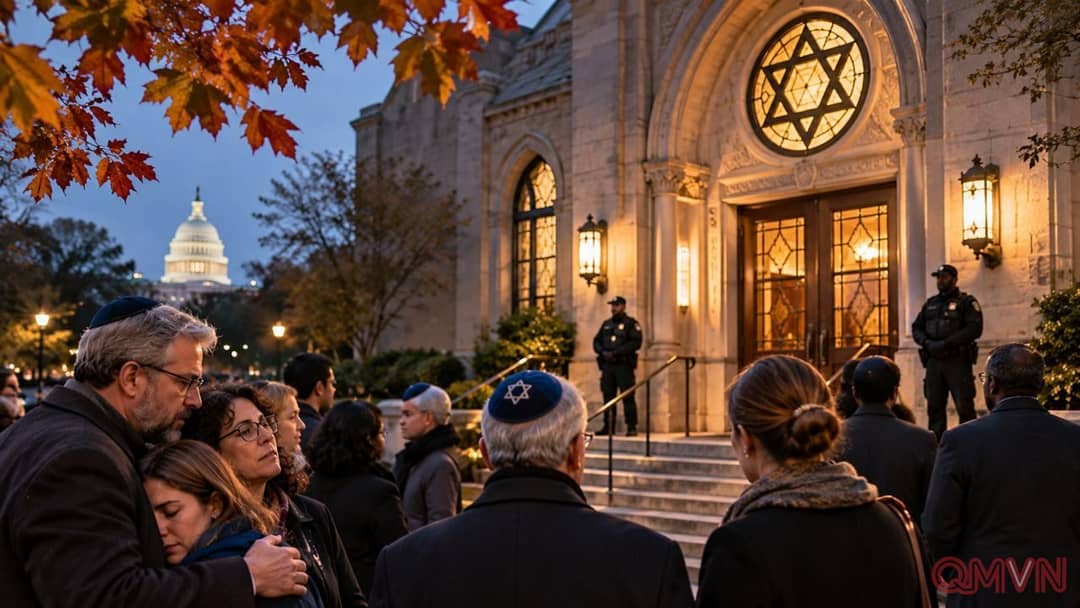
On Hugh Hewitt’s radio program on November 12, Donald Trump said antisemitism in America reminded him of “Germany in 1938.” He estimated that 57% of attacks targeted Jewish people but did not specify the source or denominator. Shares of religion-based hate crimes, all hate crimes and all violent attacks are not interchangeable. Public alarm is understandable, but statistics must be accurately described if they are to guide public policy.
Trump suggested the trend began during Barack Obama’s presidency. Yet anti-Jewish hostility spans administrations, including the deadly 2018 Pittsburgh synagogue attack during Trump’s first term. Tensions escalated after the Hamas-led October 7, 2023 attack on Israel and the subsequent war in Gaza. A long view is not an excuse for inaction; it guards against portraying a persistent societal challenge as the responsibility of one political party.
Statistics illuminate different parts of the danger
The US Justice Department says the FBI recorded 10,881 hate-crime incidents in 2025, down from 11,679 in 2024. Religious motivation accounted for 22.9% of victims of single-bias incidents.