U.S. Dollar Stable Amid Escalating U.S.-Iran Tensions
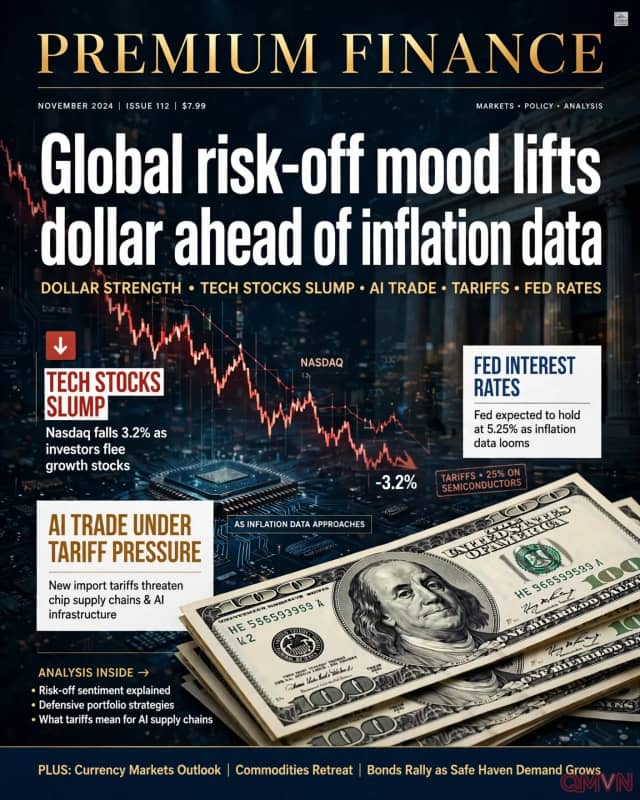
On July 23 in Tokyo, the U.S. dollar remained stable as new tensions between the U.S. and Iran caused investors to become cautious, maintaining demand for safe-haven currencies. The dollar index, tracking the USD's strength against a basket of currencies including the yen and euro, stood at 101.11, almost unchanged from the previous session.
The escalating tensions between Washington and Tehran pushed oil prices to recover, raising inflation concerns. Brent crude prices rose over 1.3%, to $95.31 per barrel following news of new U.S. military attacks on Iran. At the same time, Iran-aligned Houthi forces claimed to have launched military attacks on two Saudi Arabian oil tankers amid maritime blockades targeting the country, raising risks of supply disruptions in the Red Sea.
Bond Market Developments and Impact on Monetary Policy
Yield on two-year U.S. Treasury notes rose to the highest level in 17 months on Wednesday, as rising oil prices increased the risk of inflationary pressure, thereby raising the likelihood that the U.S. Federal Reserve (Fed) will continue to raise interest rates.