A smooth liftoff, an early problem
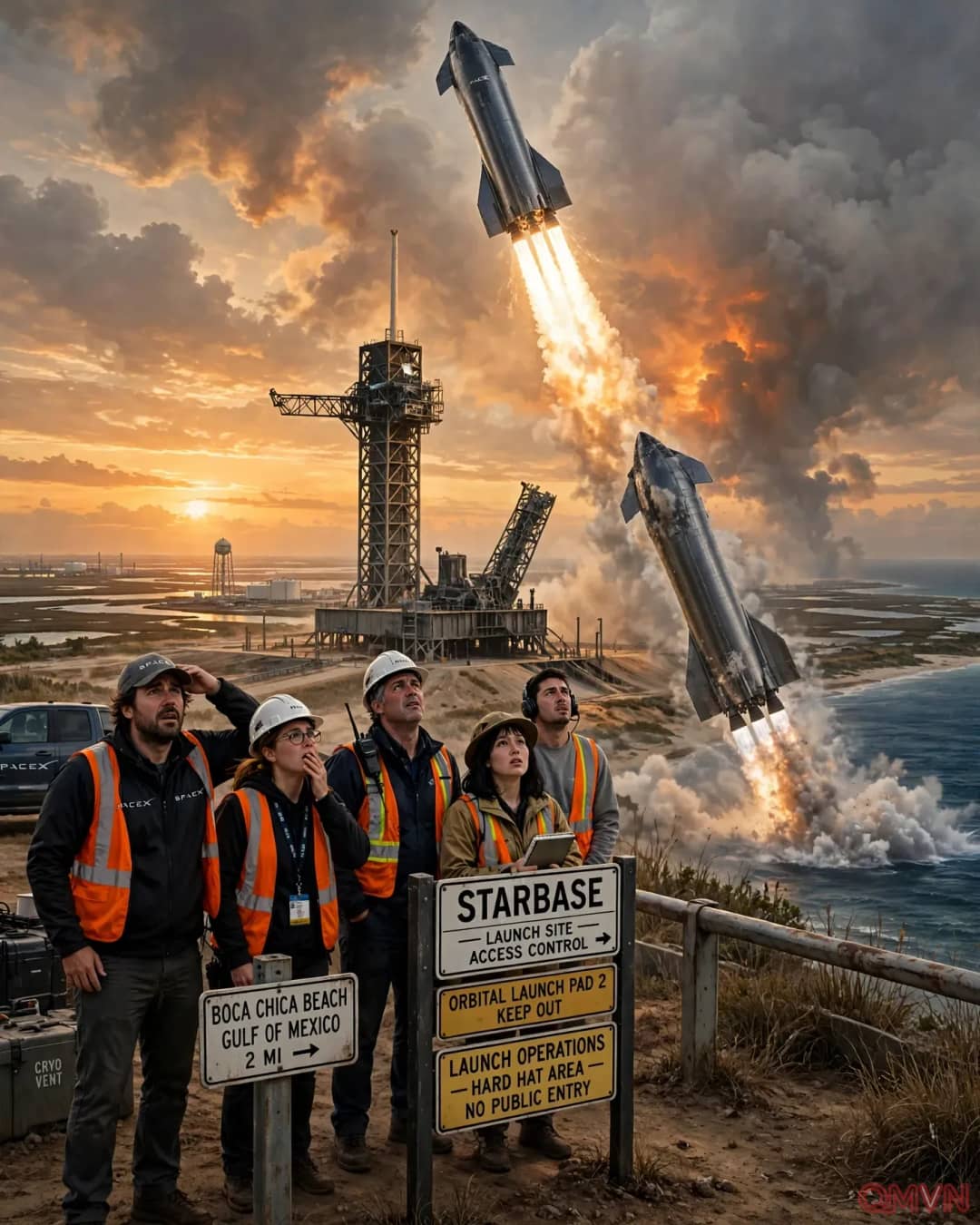
The more than 400-foot-tall rocket left SpaceX’s Texas launch site at about 4:50 p.m. local time. Minutes later, after the booster separated from the spacecraft, SpaceX identified an issue. The booster diverted during its descent and crashed into waters near the launchpad, forcing the company to scrap its recovery attempt.
The Starship spacecraft continued its journey into space and deployed another batch of Starlink internet satellites to low-Earth orbit. It is slated to return to the same pad on Saturday afternoon. Notably, the flight took off despite an hourslong FAA ground stop affecting thousands of commercial flights; the agency already restricts air traffic near launchpads and along rockets’ flight paths.
The “double catch” falls short
Recovering both the booster and the cargo vessel on the same mission would have been a first for SpaceX. The company has used the “chopstick” arms on its launch tower to catch earlier versions of the Super Heavy booster, first in 2024, but had not attempted it with its latest design, and has never recovered the Starship vessel on land for reuse.
A profound technology milestone.