MAIN ARTICLE
Sales momentum meets the limits of profitability
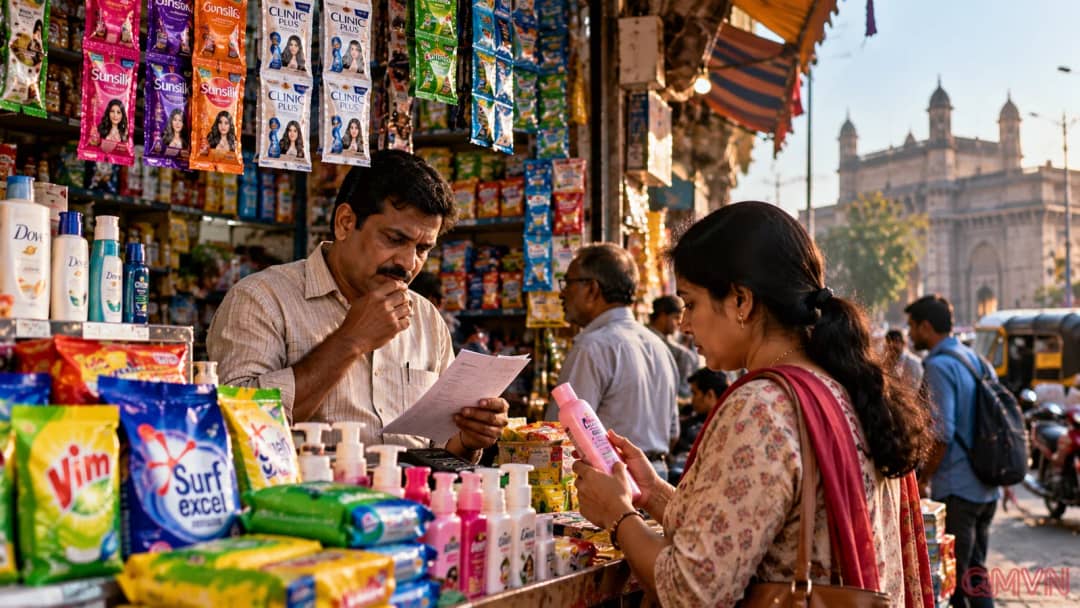
Hindustan Unilever (HUL), the India-based consumer products company within the Unilever group, reported quarterly turnover of 18,071 crore rupees for the period ending September 30, 2026. Underlying sales growth reached 15%, its best performance in 14 quarters, while underlying volumes expanded 7%. Volume matters because it offers evidence that customers are buying more products rather than simply paying more for an unchanged basket.
Yet adjusted operating performance told a more complicated story. EBITDA rose 8% to 4,089 crore rupees, below the pace of revenue growth. Its margin narrowed from roughly 24% to 22.6%, a fall of 140 basis points, as expenses moved higher. Reuters reported that HUL shares fell around 3% during Wednesday’s session. Investors appeared concerned that maintaining sales momentum could require a longer period of cost absorption.
The company’s profit figures require careful interpretation. According to its official release, profit after tax before exceptional items increased 9%, while reported profit after tax from continuing operations was essentially flat because the previous comparison period contained a one-off tax benefit. Different accounting measures can therefore produce different headlines without describing identical economic outcomes.