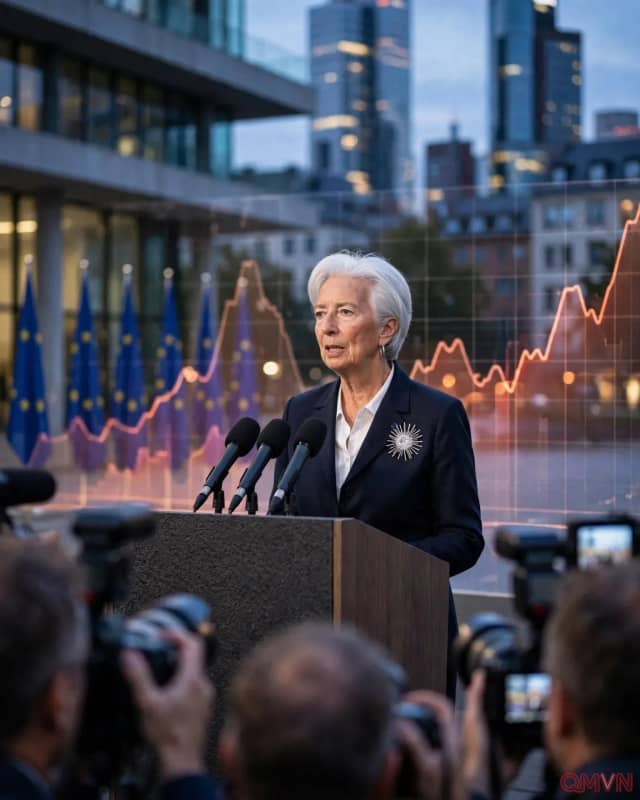
Twenty-Five-Year Yield Highs and an Uncompromising Mandate From Luxembourg
Convening in Luxembourg for scheduled monthly deliberations on Thursday afternoon, Eurozone finance ministers and the European Central Bank placed France's escalating borrowing expenditures at the absolute forefront of regional economic concerns. Ten-year French sovereign bond yields have jumped approximately 80 basis points since early September 2026, touching their highest levels since July 2002. This sharp increase in yields is escalating borrowing costs and complicating medium-term budgetary calculations.
Addressing speculation regarding whether the European Commission or the ECB might deploy extraordinary financial intervention to stabilize volatile sovereign spreads, senior Eurozone authorities decisively dismissed the prospect. The singular, unified message delivered to Paris affirms that the French government possesses all sovereign fiscal instruments required to address its deficit independently by ratifying a credible fiscal budget.
The clear answer is 'no'; the proper response is for France to agree on a budget. That's kind of a no-brainer, and that is the main message.
European policymakers reiterated that shifting structural budgetary responsibilities onto centralized monetary authorities would undermine fiscal discipline and risk moral hazard across the currency union.