MAIN CONTENT
An unprecedented comeback
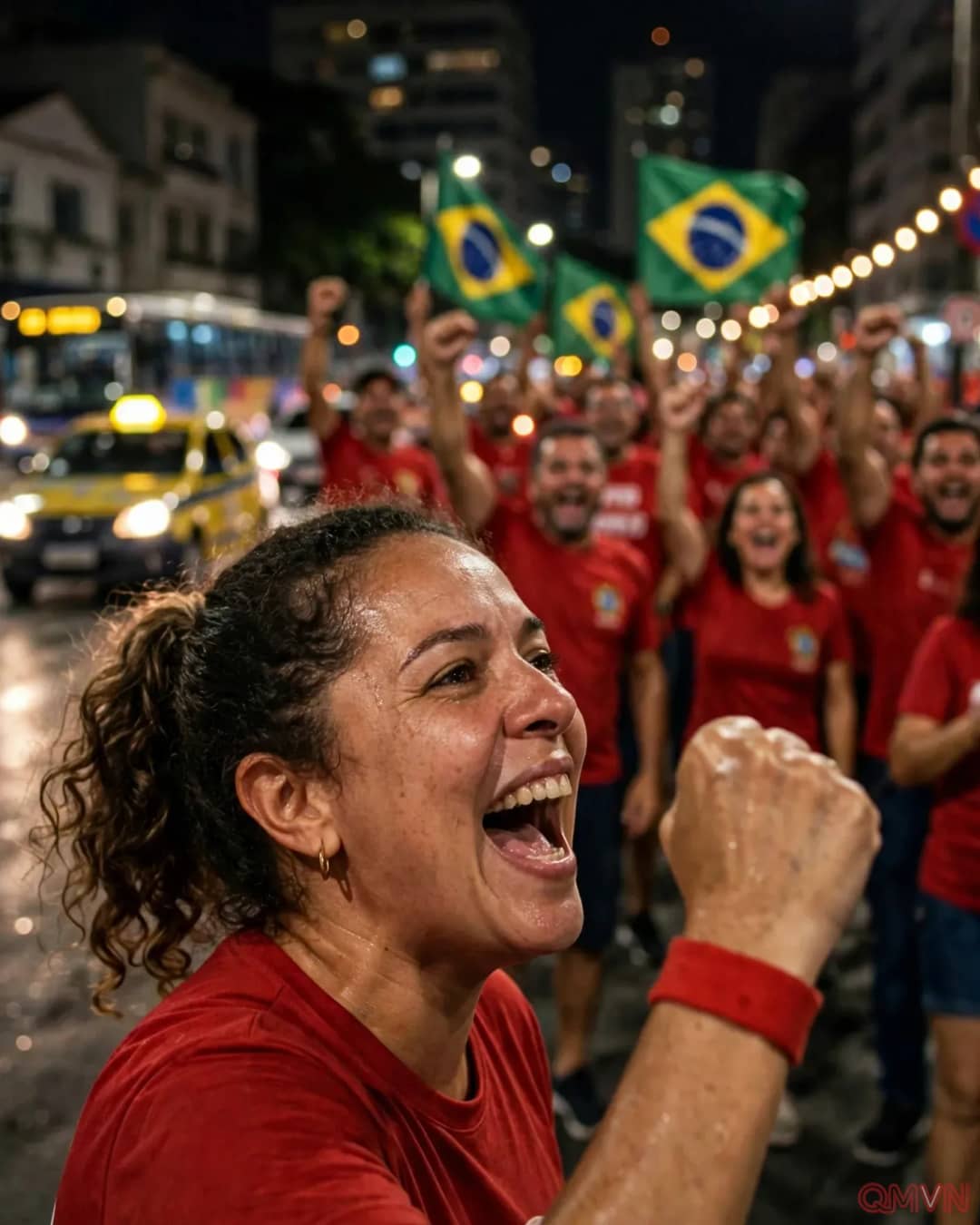
When the electoral court confirmed the result, a huge roar echoed through the streets. In a video released by his campaign, Lula, wearing star-shaped red glasses, kissed First Lady Rosângela da Silva amid his allies. Hundreds of supporters poured onto São Paulo's main avenue, while in Rio de Janeiro car horns blared and people in red – the color of Lula's camp – cheered beside others wearing Bolsonaro's signature yellow and green.
Just three weeks earlier, in the October 4 first round, Flávio Bolsonaro had led by more than 2.2 million votes. After that setback, Lula reorganized his campaign, appealed to young voters, brought millions into the streets to defend democratic values and his legacy, raised fears of another Bolsonaro administration and boosted several government initiatives. His new term begins on January 5, 2027, while Bolsonaro had yet to respond to the result.
A chaotic election night
Just three minutes before polls were scheduled to close, Supreme Court Justice Cristiano Zanin ruled to keep them open for two more hours, at the request of both candidates. Lula's side cited problems with buses taking voters to polls in São Paulo and Salvador, two cities that tend to favor the incumbent; Bolsonaro's side cited heavy rain in the south, where he is favored.
Confusion followed: in Brasília, many volunteers overseeing the count had already left; in Rio de Janeiro, voting machines had been switched off and could not be turned back on. Tallying was delayed by two hours, and it was unclear how many polling stations actually stayed open.
Congressman Nikolas Ferreira, a Bolsonaro ally, was quick to note that Zanin is Lula's former lawyer. The decision may lead the Bolsonaro camp to take legal action, in a country where former President Jair Bolsonaro questioned the electronic voting system after his 2022 defeat.
A country split in two
Lula faced a tough reelection battle because of concerns over the cost of living and security. Flávio Bolsonaro made a tough-on-crime approach the centerpiece of his campaign and pledged to bring down food prices, while Lula invested in costly incentives to win over undecided voters. Both were hit by corruption suspicions involving relatives and allies; Bolsonaro has been implicated in a sprawling scandal rocking Brazil, while Lula previously spent more than a year in prison on corruption convictions that were later annulled.
I don’t understand how people can vote for Lula. The country is collapsing.
Rodrigo Valentim, a 51-year-old businessman and Bolsonaro supporter, said another Lula government would harm the economy, pointing to financial markets' positive reaction after the first round. His words show that, despite his victory, Lula will lead a deeply divided country in which nearly half of voters do not place their trust in him.
US tariffs and the regional chessboard
Relations with Washington were a focal point of the campaign. Since July 2025, Trump has imposed tariffs of up to 50% on Brazilian goods, tied to the criminal case against Jair Bolsonaro for plotting to overturn the 2022 election, and added a further 25% in July this year. Flávio Bolsonaro blamed Lula, while Lula called the Bolsonaro family “traitors to the fatherland” for lobbying the White House to apply pressure. Polls suggested the tariff fight ultimately worked in Lula's favor. His victory carries several implications:
- Mexico and Brazil, Latin America's two most populous nations, are both led by left-of-center leaders.
- The region's largest economy, with a GDP of about $2.6 trillion a year, remains independent of the United States.
- The result bucks a trend of growing numbers of Trump-aligned right-wing candidates winning in the region.
At 80, Lula joins Trump and Nicaraguan President Daniel Ortega as the oldest presidents in the Americas. This is likely the last victory of a political career spanning half a century, and a term in which he must prove that experience can answer the demands of a new generation of voters.