MAIN ARTICLE
A warmer political climate, but no instant settlement
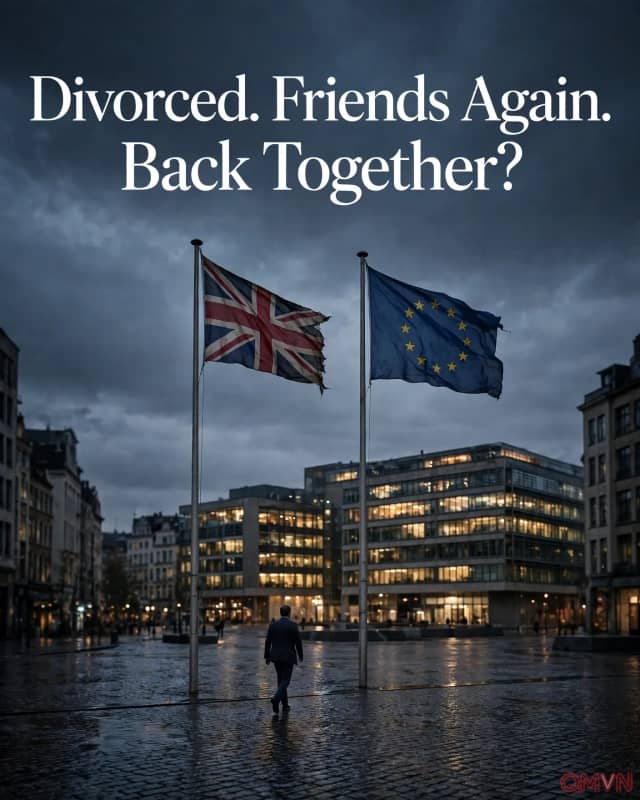
Burnham, who took office in July, has reopened a politically charged debate that successive governments struggled to settle: how closely should a country outside the EU align with rules made inside it? His approach is designed to be cooperative rather than confrontational. That change of tone matters in Brussels, where officials remember years of difficult withdrawal negotiations. But goodwill alone cannot eliminate the need for legal text, regulatory supervision and agreement on what each side will give in return. The summit is better understood as a milestone in negotiations than a completed restoration of Britain’s former membership privileges.
The EU has its own reasons to welcome a pragmatic reset. Security concerns, economic uncertainty and competitive pressure have made cooperation with Britain more attractive. Britain remains an important European economy and security partner even outside the institutions that write EU law. Nonetheless, European governments have little incentive to allow unrestricted access to their market while exempting London from corresponding obligations. Their challenge is to welcome a closer neighbour without undermining the rules that bind existing members together.