Lake Mud That Remembers a Toxic Past
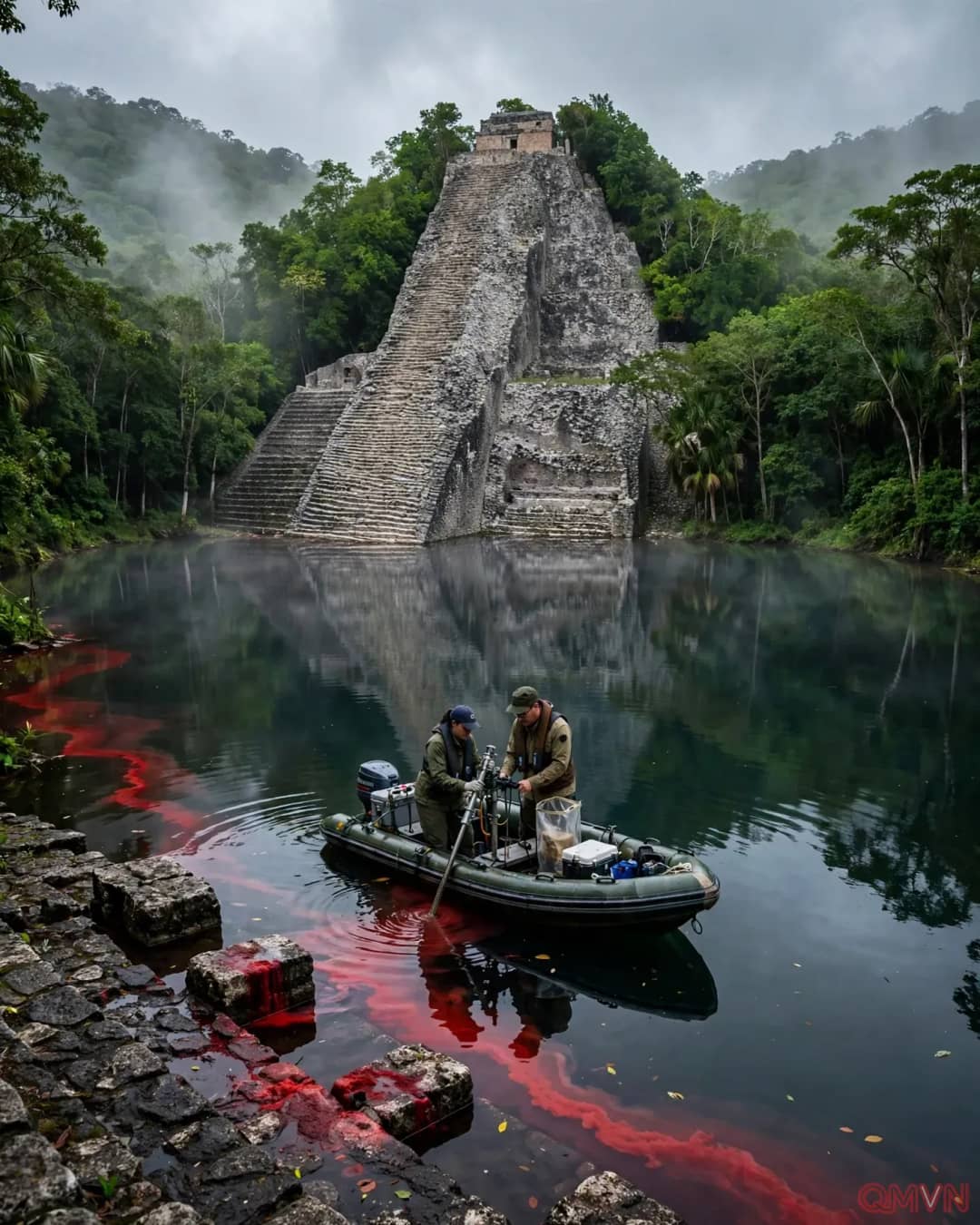
In May 2023, researchers drilled sediment cores from the bottom of Lake Coba, beside the ruins of the city of the same name in the state of Quintana Roo, and from the Xcach cenote, a natural limestone sinkhole roughly 100 meters across. Coba is a familiar stop for tourists, famous for the Nohoch Mul pyramid, one of the tallest on the Yucatán Peninsula, and was once home to an estimated 60,000 to 90,000 people. Xcach, by contrast, is almost unknown: the site lies on private land and, despite its several pyramids and structures, has barely been excavated.
Every layer of mud that settles on a lake floor is like a page in an environmental diary. Turning those pages, the team led by Matt Waters, a paleolimnologist at Auburn University in Alabama, found surges of mercury that coincided with the golden age of Maya civilization, known to archaeologists as the Classic Period (roughly 250 to 900 AD).
Notably, the Maya northern lowlands previously had very sparse mercury records. The new study not only fills that gap but also documents some of the highest Maya-era mercury concentrations ever measured.
Three Waves of Mercury Across the Classic Period
The sediment data trace a toxic chronicle spanning centuries: