MAIN CONTENT
Long-term finance for a large undertaking
Alcazar says the $436 million debt package comes from the European Bank for Reconstruction and Development (EBRD), the European Investment Bank (EIB) and Germany’s development finance institution DEG, in roughly equal proportions. Borrowing covers nearly 70% of the projects’ announced $626 million cost. That balance illustrates why renewable infrastructure requires patient capital: construction comes before revenue, while financing must withstand changes in interest rates, supply chains and the wider economy. The EBRD also describes European Union guarantee support under the European Fund for Sustainable Development Plus framework, intended to reduce risk and make long-tenor lending more viable.
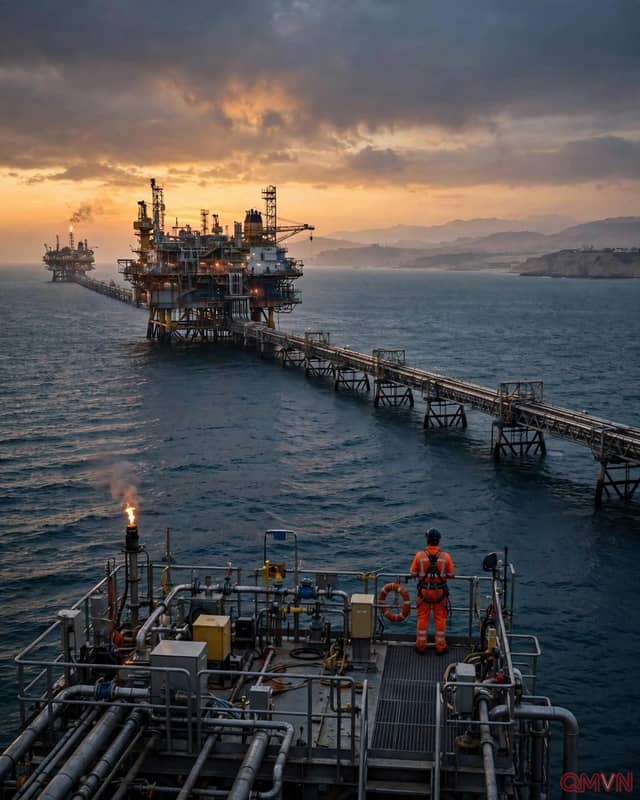
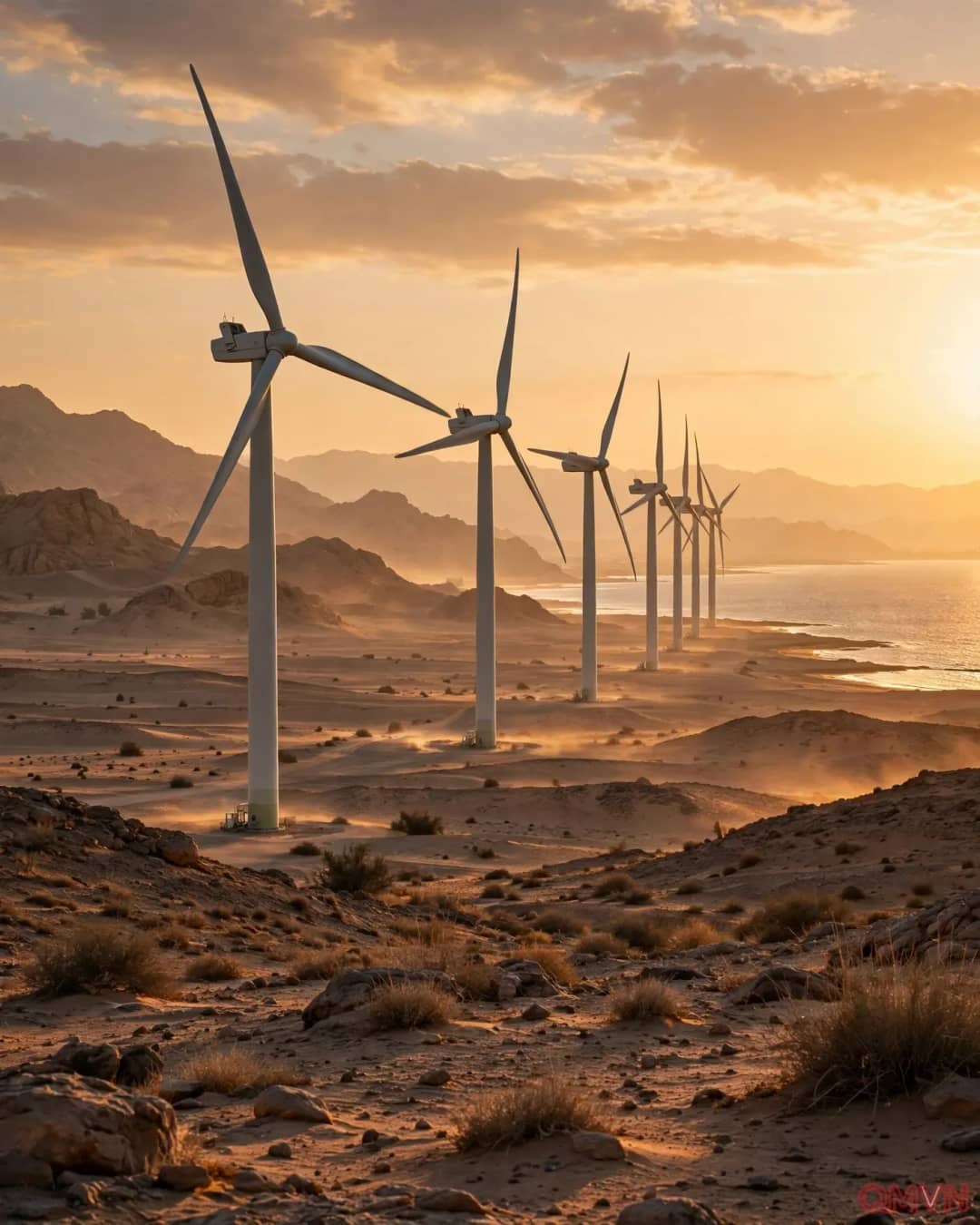
The two 250-megawatt sites are planned around Ras Ghareb, an established wind-energy area near the Gulf of Suez. Siemens Gamesa will supply and maintain the turbines, while Egyptian contractor Orascom Construction will handle civil and electrical works. The structure links international turbine technology with domestic construction capability. It also creates an exacting operational challenge: equipment must be installed on schedule, connected to the grid and maintained over many years. The end-2028 opening remains a forecast, not an accomplished milestone.