From 'Superconnector' To 'Value Partner'
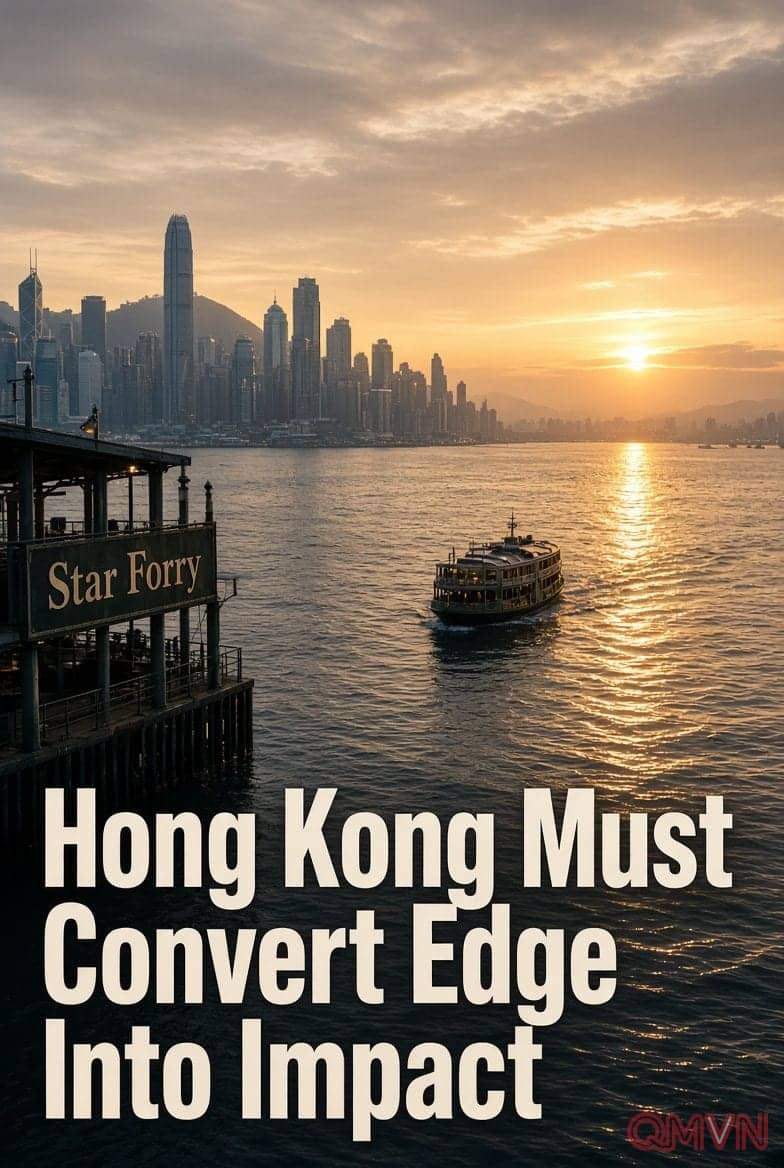
For years, Hong Kong has been known for its role as a 'superconnector', a bridge between mainland China and the world. But according to observers, that role is gradually evolving: the city's value comes not simply from its position between two markets, but from its ability to help businesses, capital, talent and ideas move between different markets and systems. That capability has been built over generations, combining deep mainland ties with an international financial system, common law tradition, professional expertise and extensive global business networks, strengths that grow more valuable as geopolitical tensions, technological change and shifting supply chains make cross-border business increasingly complex. Delivering on that promise, analysts note, will depend on efforts such as InvestHK's outreach to overseas companies and the government's GoGlobal Task Force, which is meant to help Hong Kong firms and mainland enterprises expand into international markets together.
The Plan's Concrete Targets
The plan, unveiled alongside the annual Policy Address, sets out 22 development indicators, classified as either 'binding' or 'anticipatory', using an evaluation framework similar to the one Beijing applies to its own national five-year plans. Beyond the innovation-spending target, Hong Kong also aims to raise the share of manufacturing and new industries to 5.5% of the economy, while strengthening its role as an offshore yuan hub and promoting the currency's use in trade and investment.