Departmental Silos and Crisis Accountability Following Public Shocks
Hong Kong's civil service has historically garnered international recognition for administrative efficiency, incorruptibility, and operational stability throughout the sovereign transition from British to Chinese governance. However, the civil service's rigid career specialization, while producing dependable technical administrators, has entrenched severe cross-departmental barriers that impede swift collective action during multifaceted municipal crises.
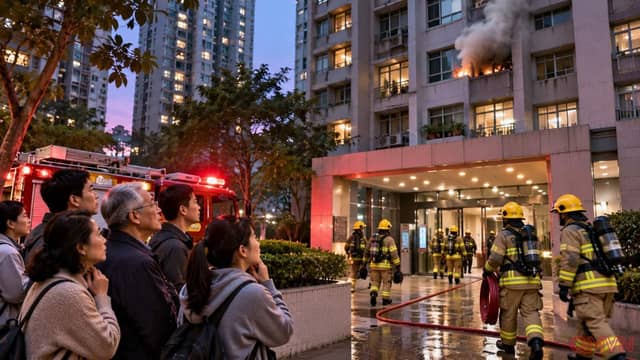
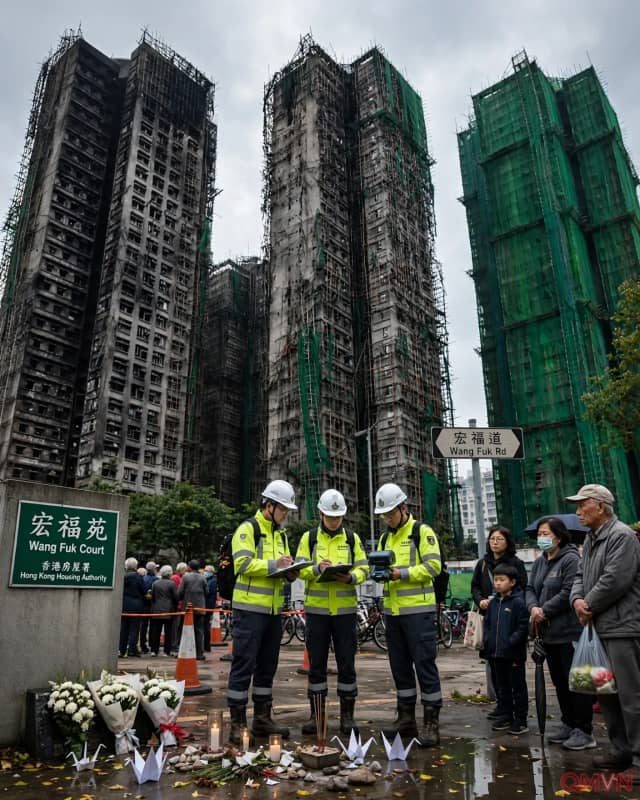
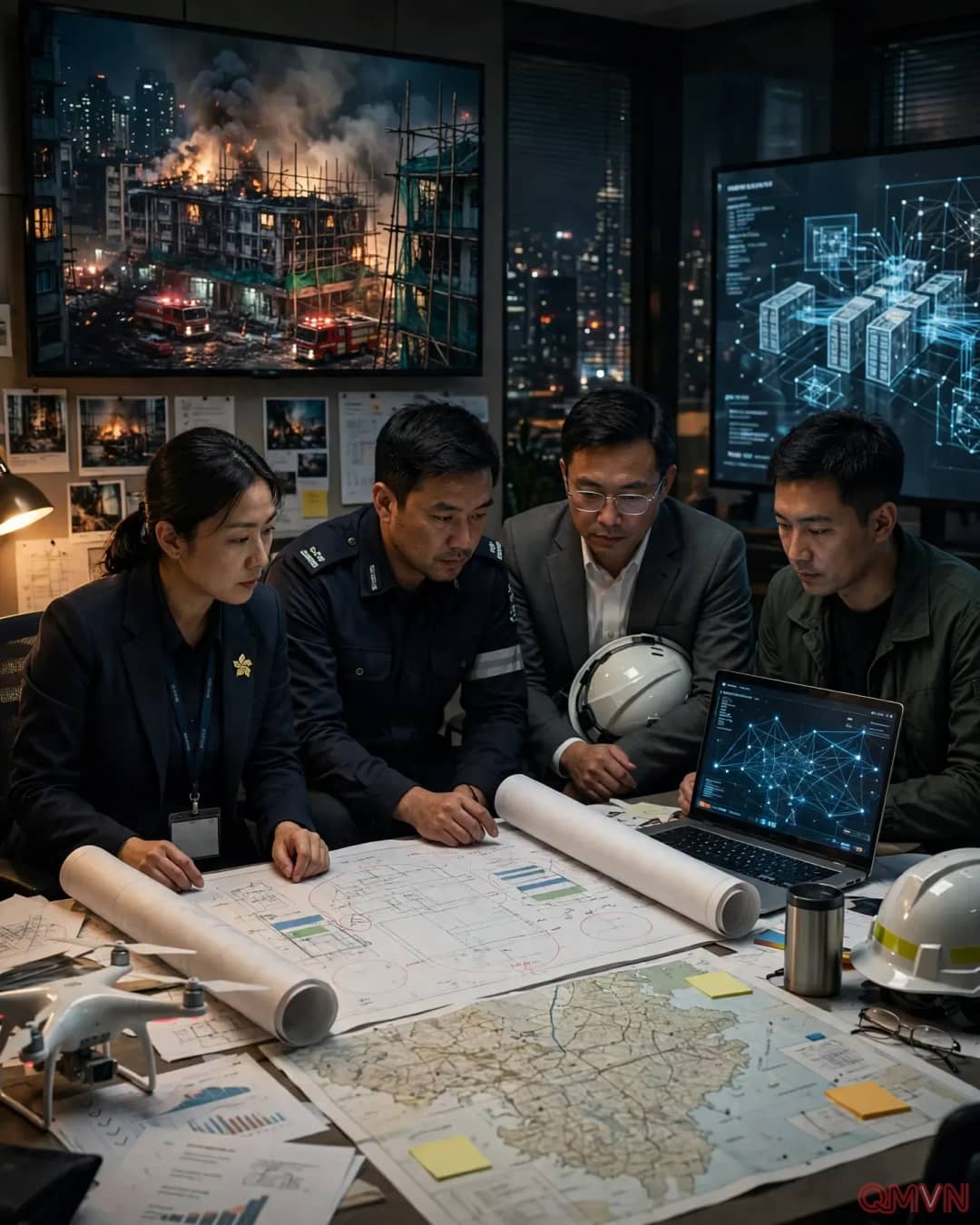
Recent institutional catastrophes have placed this legacy framework under rigorous public examination. The tragic November fire at Wang Fuk Court in Tai Po, which claimed 168 lives and eradicated over a thousand residences, exposed acute deficiencies in building regulatory oversight. Subsequent construction scandals in public estates and lift failures across public hospitals have heightened public pressure, demonstrating that bureaucratic routine is inadequate for safeguarding citizen welfare.
*"The lesson is not that government should replace market forces, but that it must be capable of responding decisively when circumstances change." - Regina Ip Lau Suk-yee*
Navigating Frontier Technologies, AI Governance, and Low-Altitude Economies
As US-China strategic friction accelerates and Beijing prioritizes the expansion of 'new quality productive forces,' Hong Kong cannot remain a passive laissez-faire commercial outpost. Public servants must actively construct dynamic regulatory frameworks across emerging commercial frontiers: digital mobile finance, autonomous logistics, green maritime bunkering, sustainable aviation fuels, and the low-altitude aviation economy.
Artificial intelligence embodies the primary regulatory test. Although the institutional creation of the Digital Policy Office in July 2024 and significant capital outlays for Northern Metropolis computing clusters provide physical capacity, genuine transformation demands comprehensive governance strategies addressing cybersecurity, data protection, public workforce adaptation, and ethical algorithmic integration.
Structural changes and new titles alone cannot deliver transformation; what matters is whether the government can develop expertise, leadership, and clear lines of responsibility.
Cultivating Entrepreneurial Statecraft, Global South Outreach, and Civil Accountability
Overcoming these systemic hurdles necessitates infusing the civil service with external private-sector expertise, actively recruiting specialists across advanced engineering and digital technologies. Encouraging signs of entrepreneurial governance have emerged, illustrated by overseas trade delegations to Switzerland to secure gold refining partnerships, alongside strategic trade expansions into Central Asia and the Middle East.
Under the executive leadership of Chief Executive John Lee Ka-chiu, institutional accountability protocols have been tightened, anchored by a newly launched performance appraisal framework designed to tie annual compensation increments directly to objective operational results. Preserving foundational hallmarks of integrity and continuity must now be conjoined with technological fluency, agile inter-agency cooperation, and strategic flexibility.
*"The choice is not between stability and change; it is whether Hong Kong can preserve its administrative tradition while equipping its civil service for demands where yesterday's experience is no longer sufficient." - Regina Ip Lau Suk-yee*