MAIN ARTICLE
Why the figure of 130 million matters
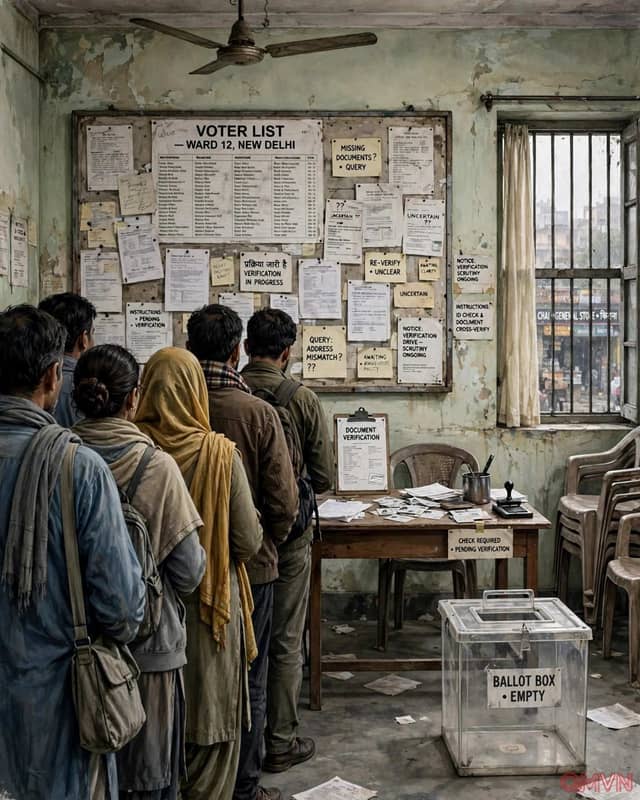
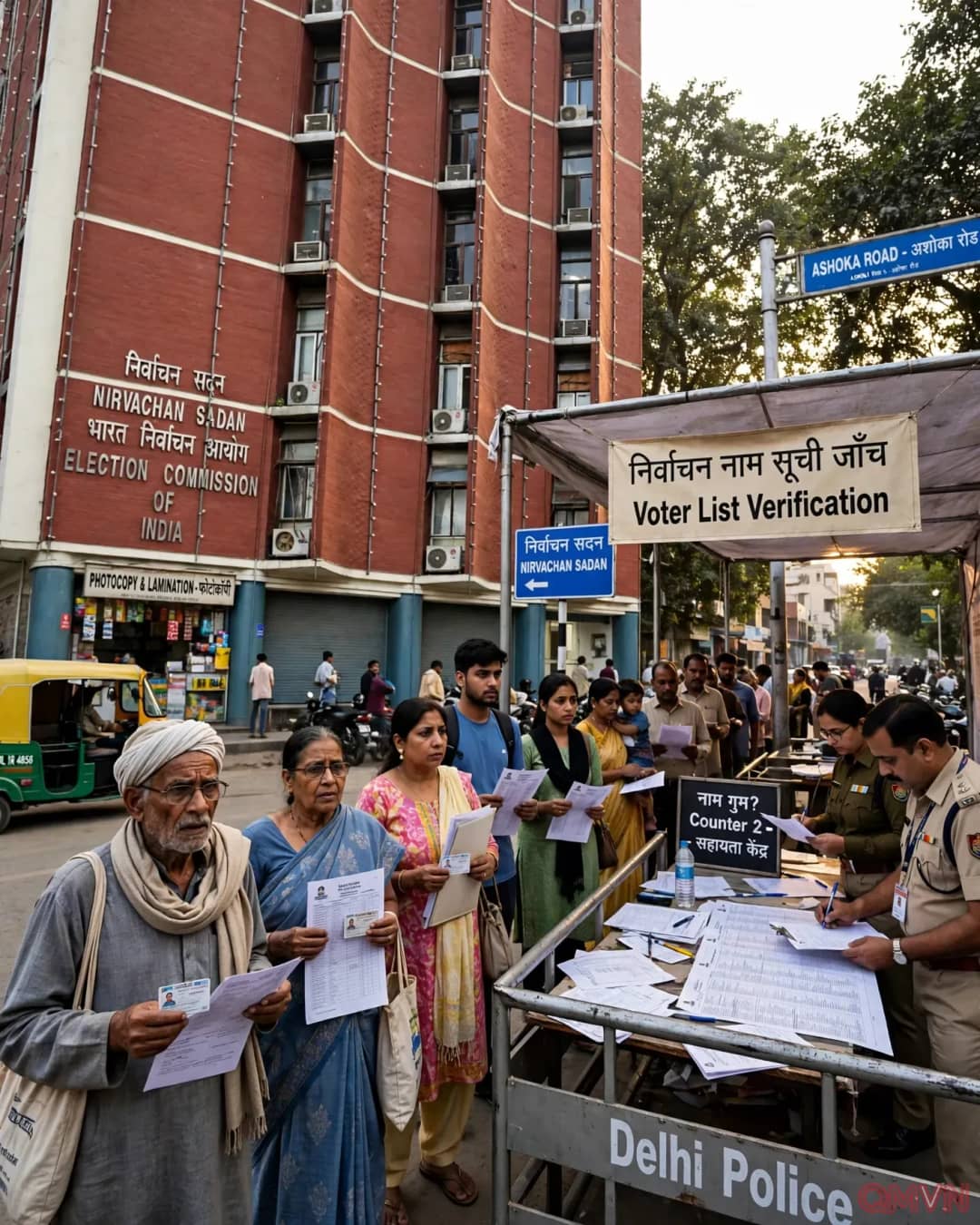
Maintaining electoral registers is a routine part of election administration. What makes the present Special Intensive Revision, or SIR, exceptional is its geographical reach, its scale and its proximity to important state contests. The exercise began in Bihar in 2025 and subsequently extended to much of the country, drawing attention to the methods used to check and revise individual records.
Reuters reported that around 130 million names were excluded from initial draft rolls during the review and that affected citizens were required to establish their eligibility for inclusion. A draft omission, however, is not identical to a final deletion, nor does every provisional omission mean someone ultimately lost the ability to vote. Distinguishing those outcomes matters when measuring the scope and consequences of the programme.
Competing accounts of electoral fairness
The ECI argues that accurate rolls must eliminate deceased voters, duplicate entries and registrations linked to people who have permanently relocated or cannot be traced. It rejects allegations that the operation favours Prime Minister Narendra Modi’s Bharatiya Janata Party (BJP).