From the stock ticker to a call for Vance
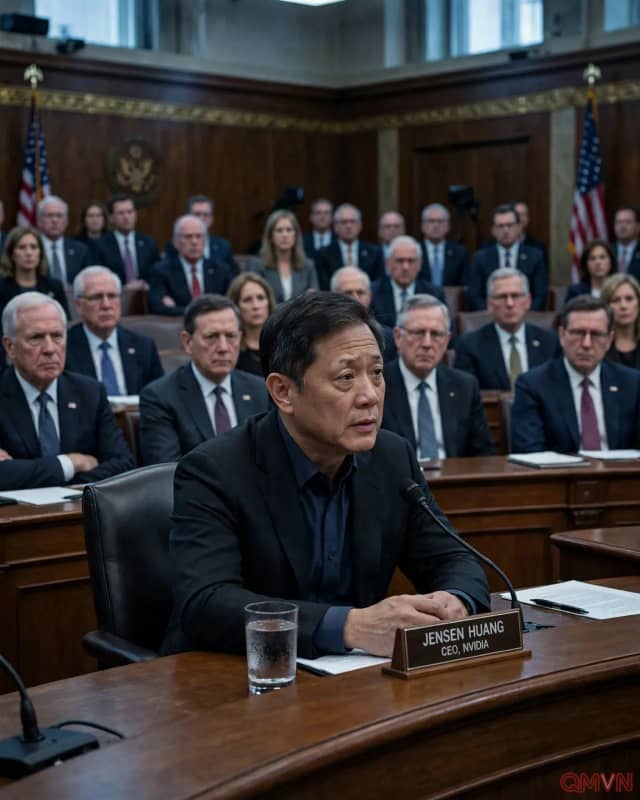
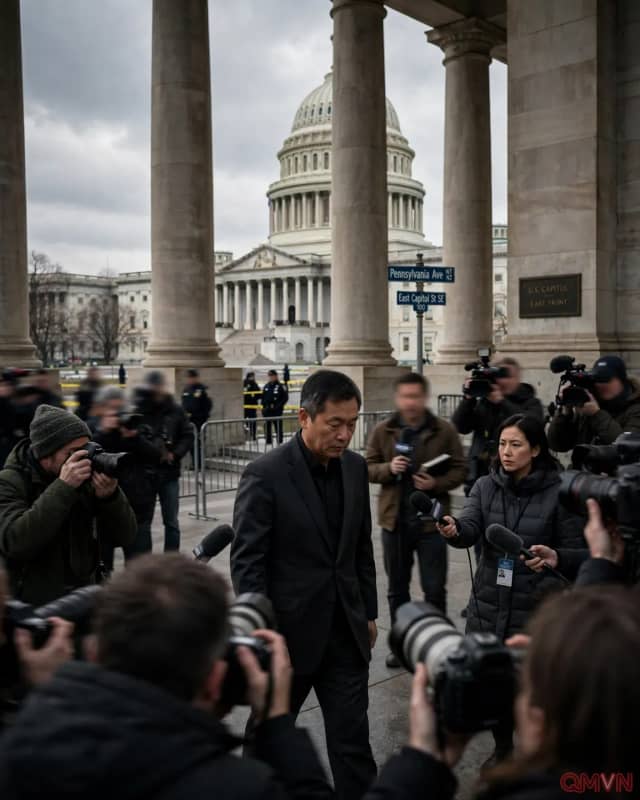
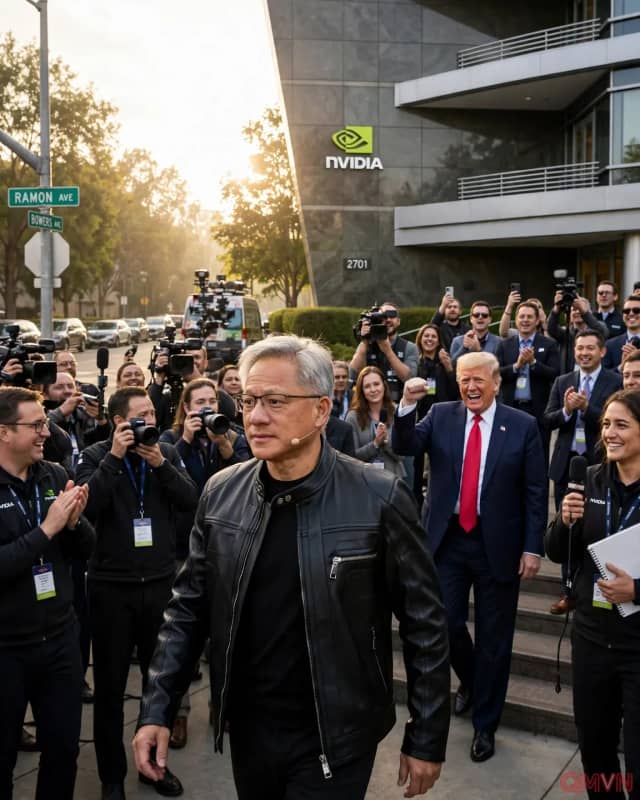
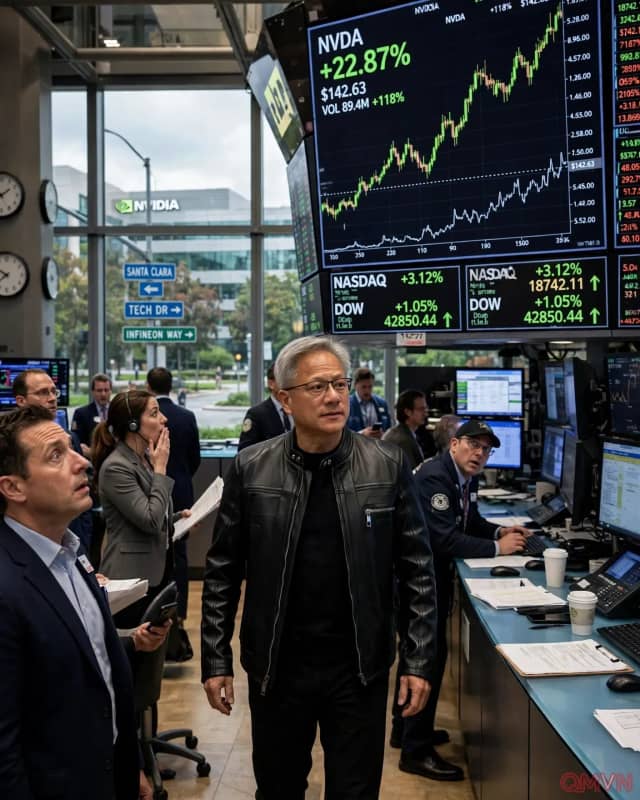
Late last week, Trump had just returned to Washington from his trip to China, and his desire to see Huang reinstated grew stronger as he watched the market fall on Friday. After weeks of downplaying revelations about Huang’s relationship with a woman US officials believe to be a Chinese asset, he decided to turn up the heat.
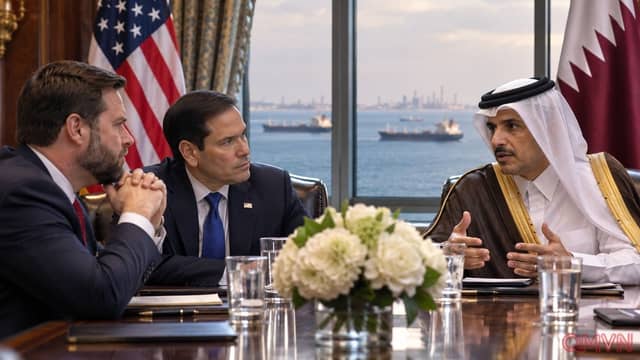
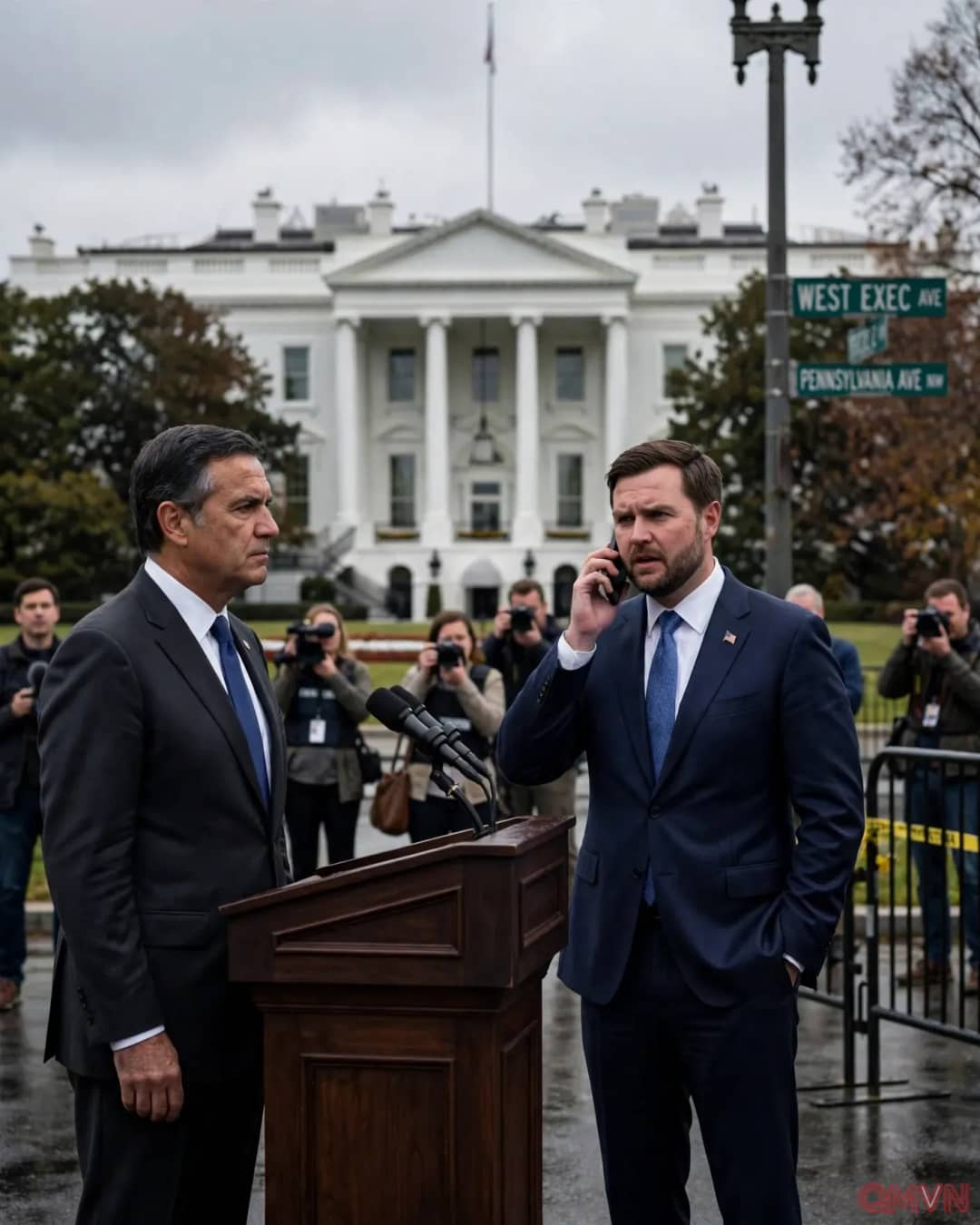
Trump asked Vice President JD Vance, who has close ties to Silicon Valley, to talk to Huang and work with Nvidia’s board. Vance is close to some of Huang’s biggest supporters, including investor David Sacks, co-chairman of the President’s Council of Advisers on Science and Technology. Only a tiny handful of officials at the highest level, and an equally small group at Nvidia, knew about these conversations.
The conditions the board needed
Little more than a week earlier, the board had forced Huang out and said it had no interest in rehiring him. To change course, it needed clear assurances, and the final deal included:
- An assurance from the Trump administration that Huang was not considered a national security threat.
- Confirmation that Huang was not facing criminal charges; Trump cited the attorney general as saying the government had no evidence of unlawful conduct.