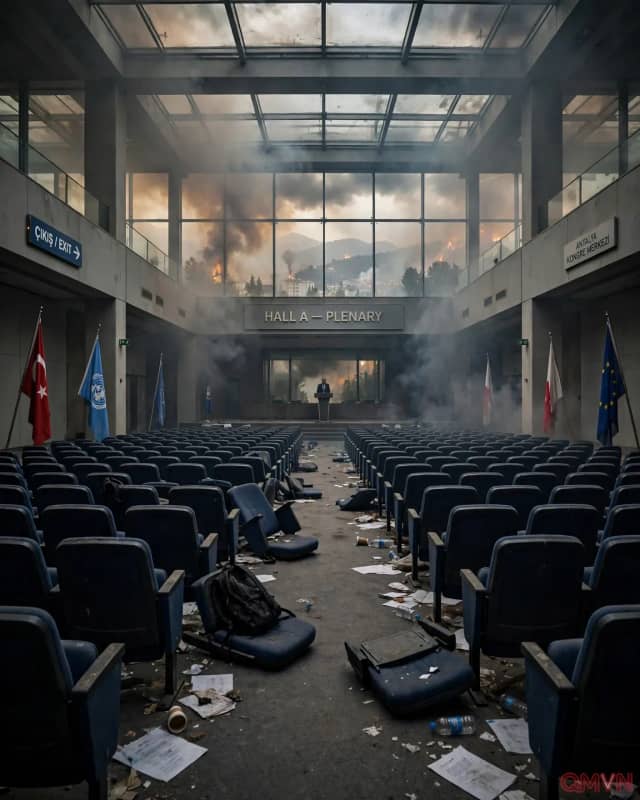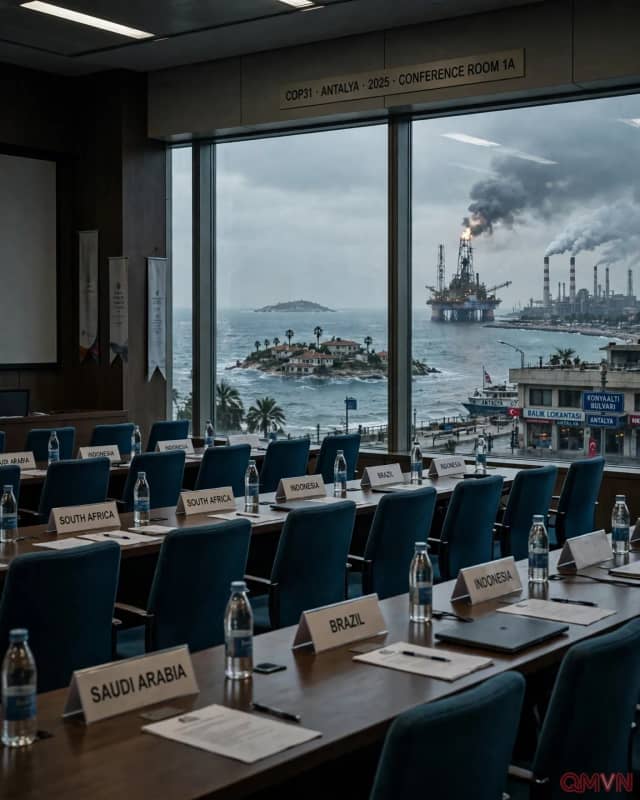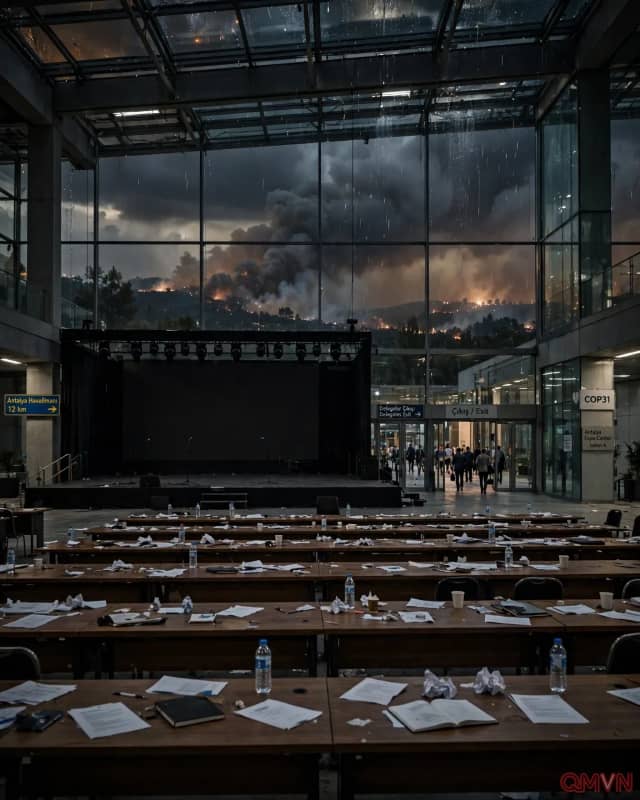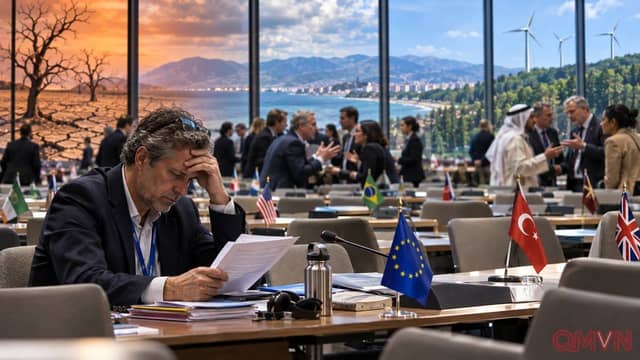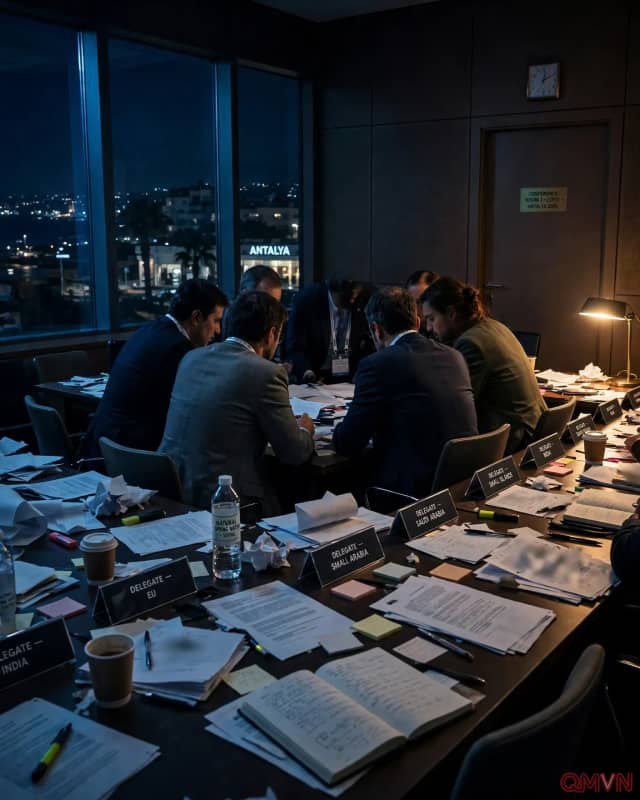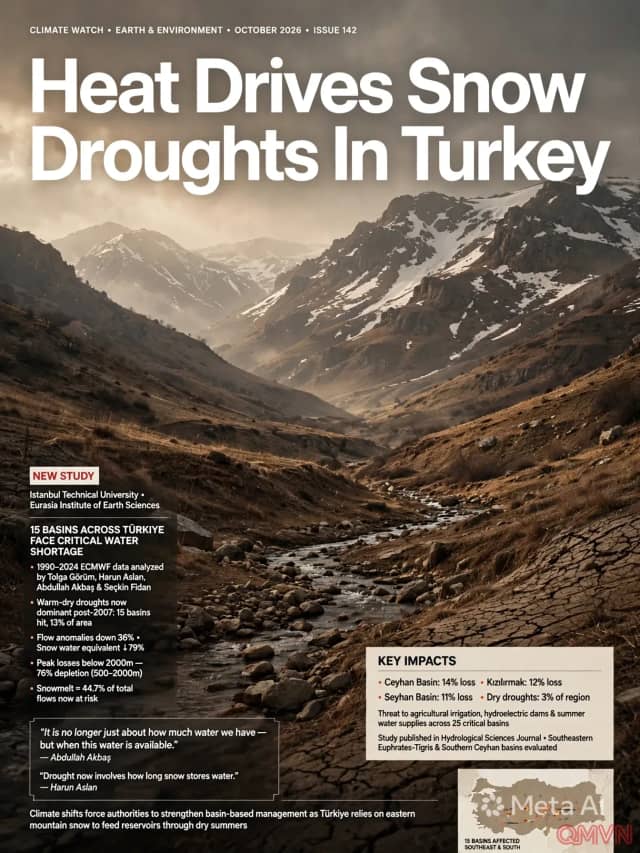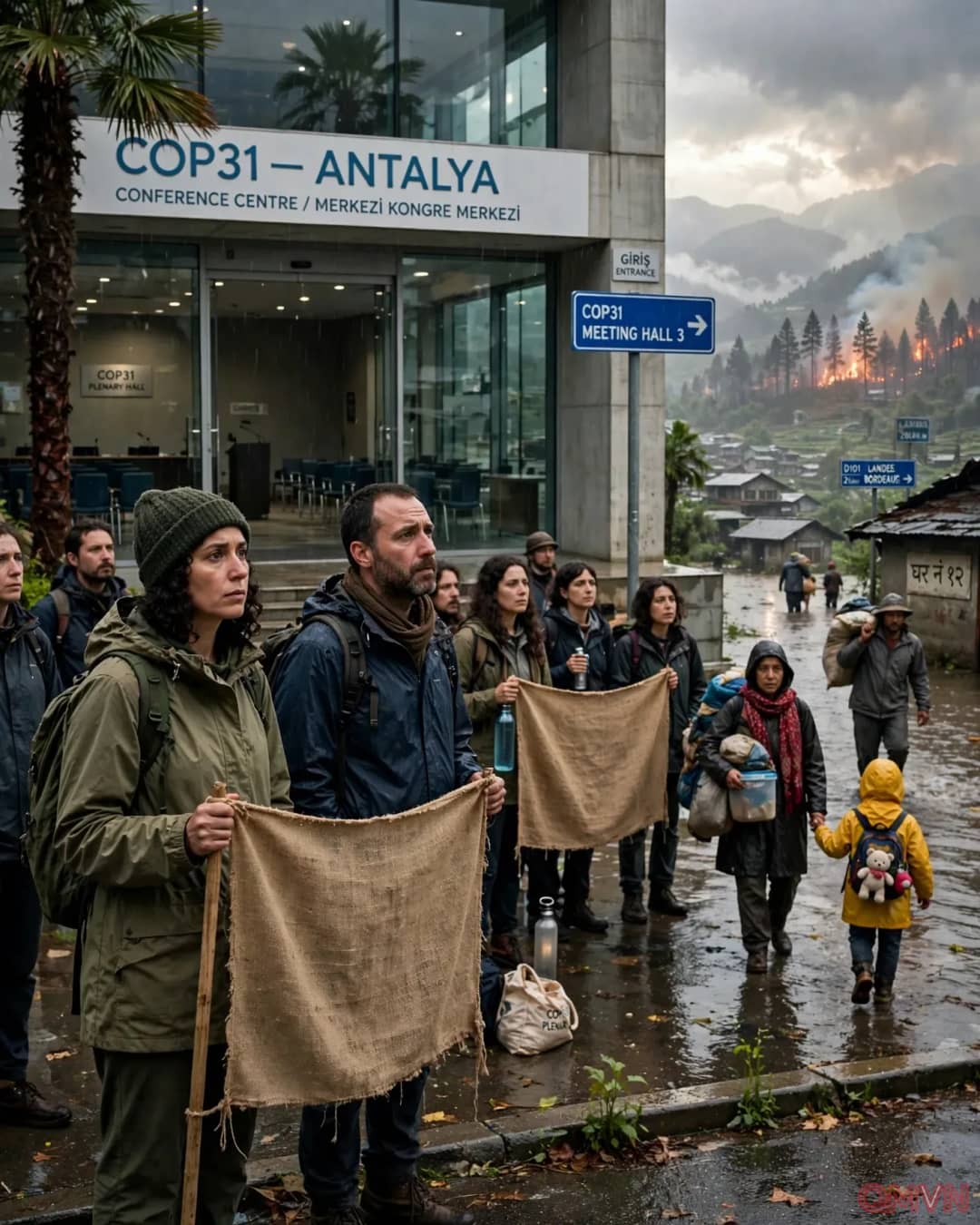
A conference without consensus
Dozens of countries objected on Sunday to the final text presented at COP31 because it did not mention coal, oil and gas, the main drivers of climate change. Nor did it include new financial commitments to help hard-hit nations adapt to a warmer world.
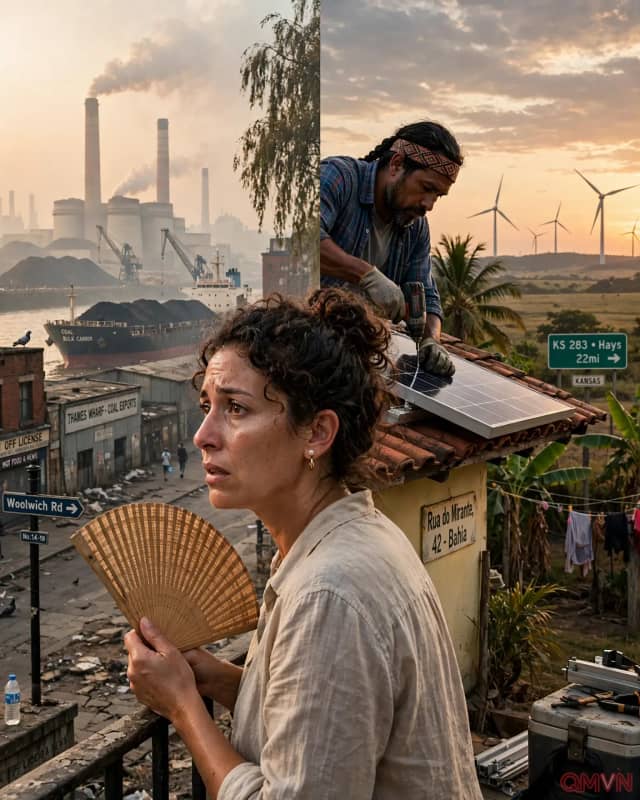
That leaves many questions about what comes next and what it means for ordinary people, as scientists warn the world is on track to exceed the warming limits set in the 2015 Paris Agreement. The United States, which withdrew from the Paris Agreement under President Donald Trump, did not take part directly in the talks for a second straight year, although a delegation including California Governor Gavin Newsom attended to pledge action.
A year of disasters
COP31 came after a year of devastating disasters made worse, and far more likely, by climate change:
- A summer heat wave in Europe killed more than 50,000 people, with nearly two-thirds of the deaths attributed to human-caused climate change.
- In Nepal, a partially collapsed Himalayan glacier triggered floods that washed away entire villages, leaving thousands dead or missing.
- Wildfires raged around the world, with smoke from Canada making air quality in several US cities among the worst on the planet.