MAIN CONTENT
The distance between spending and capability
According to AP, the Pentagon document cited a Canadian air force fleet serviceability rate of 41.9% in fiscal 2025–26, compared with 53.9% for the naval fleet. Army operational readiness was put at 48%. These are figures Washington uses to argue for faster modernization, rather than an independent comprehensive assessment of every Canadian military mission.
Higher budgets cannot instantly resolve staffing shortages, maintenance infrastructure problems or ageing equipment. Actual capability depends on recruitment, training and sustainment over time. Investment plans therefore need measurable milestones that allow the public to distinguish promises from delivered results. The quality of expenditure matters alongside its overall size.
The F-35 choice and industrial independence
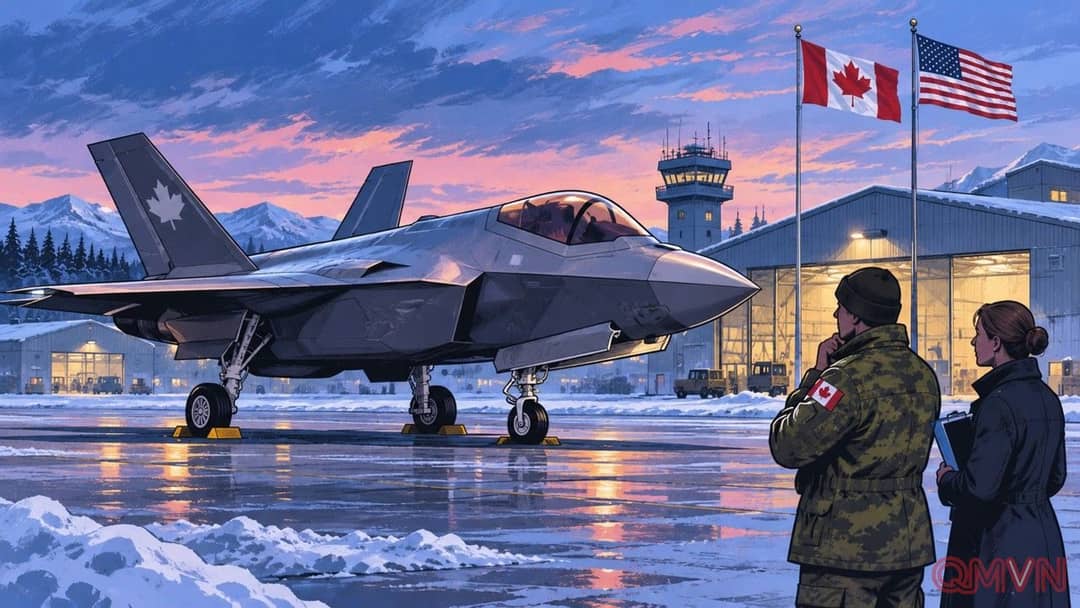
Canada’s official Future Fighter Capability Project page puts the program’s value at C$27.7 billion, covering 88 F-35 aircraft, associated equipment, training, support and infrastructure. The scale of the undertaking illustrates why a fighter procurement decision affects budgets across generations rather than representing an ordinary commercial transaction.