"I made the deal"
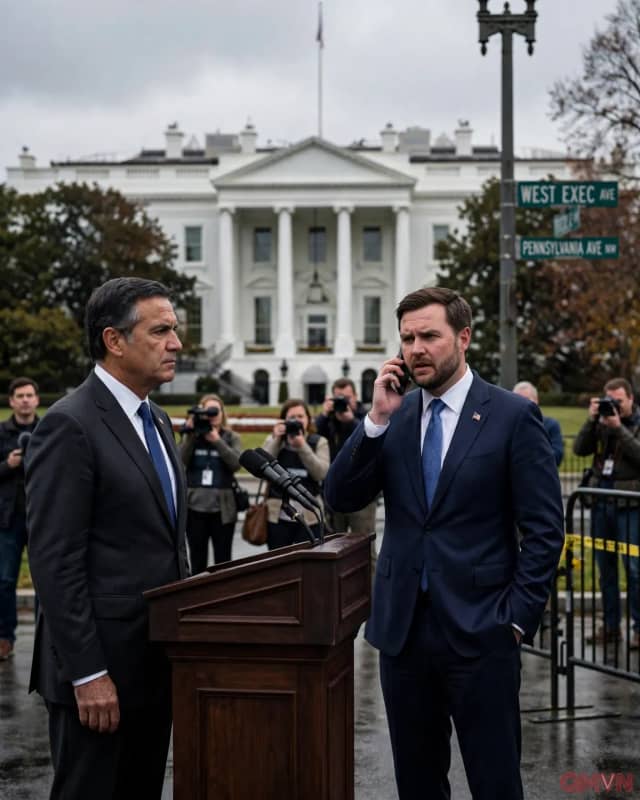
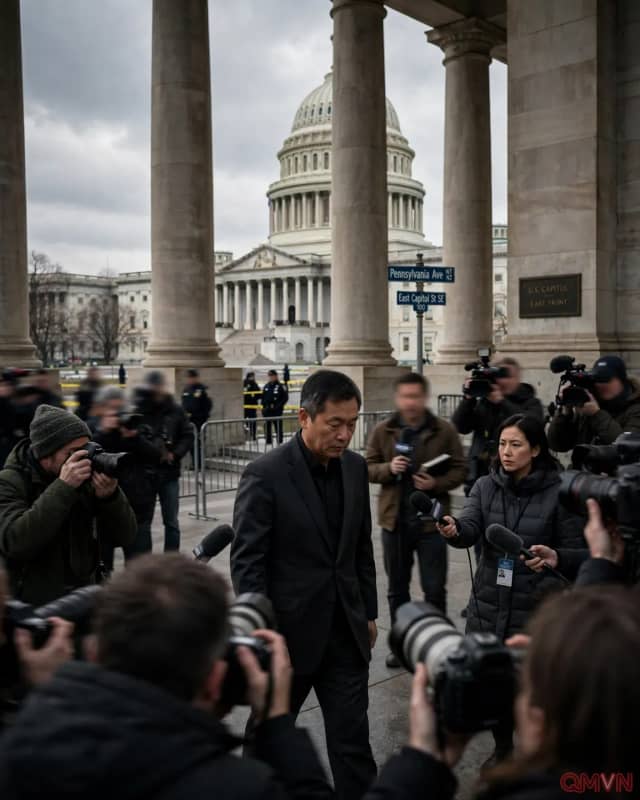
In a brief interview with CNBC on November 23, Trump said he had spoken to Nvidia’s board and "convinced" them to bring Huang back, praising the board for acting "really responsibly". He said the board had asked for assurances about the national security threat, and the administration provided them based on what it knew. Asked whether keeping Huang was a risk, Trump replied:
It’s a threat to lose him.
Asked whether Nvidia’s stock losses after Huang’s resignation had influenced his decision to intervene, Trump admitted: "Probably so." Board chairman Harvey C. Jones said Huang was the right person to lead Nvidia, even though only last Tuesday the board had said it did not intend to reinstate him.
Market relief, with a caveat
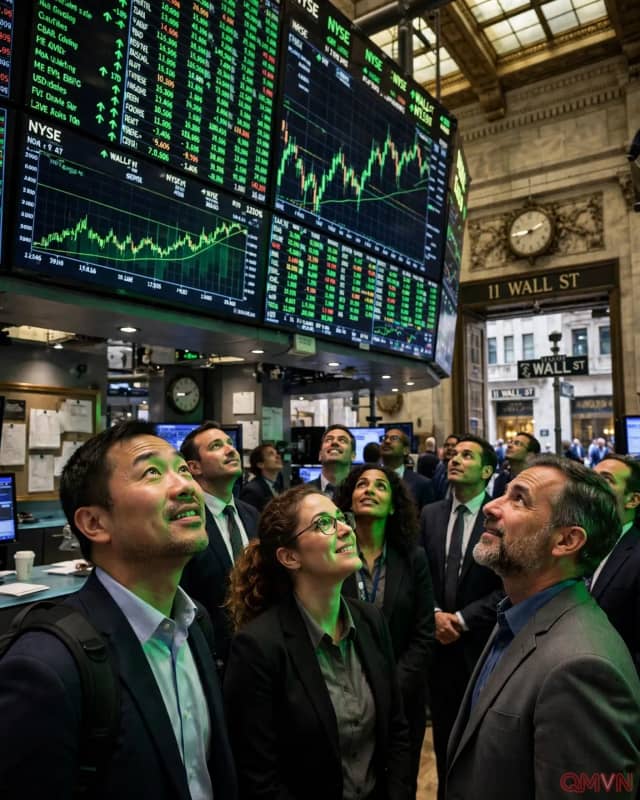
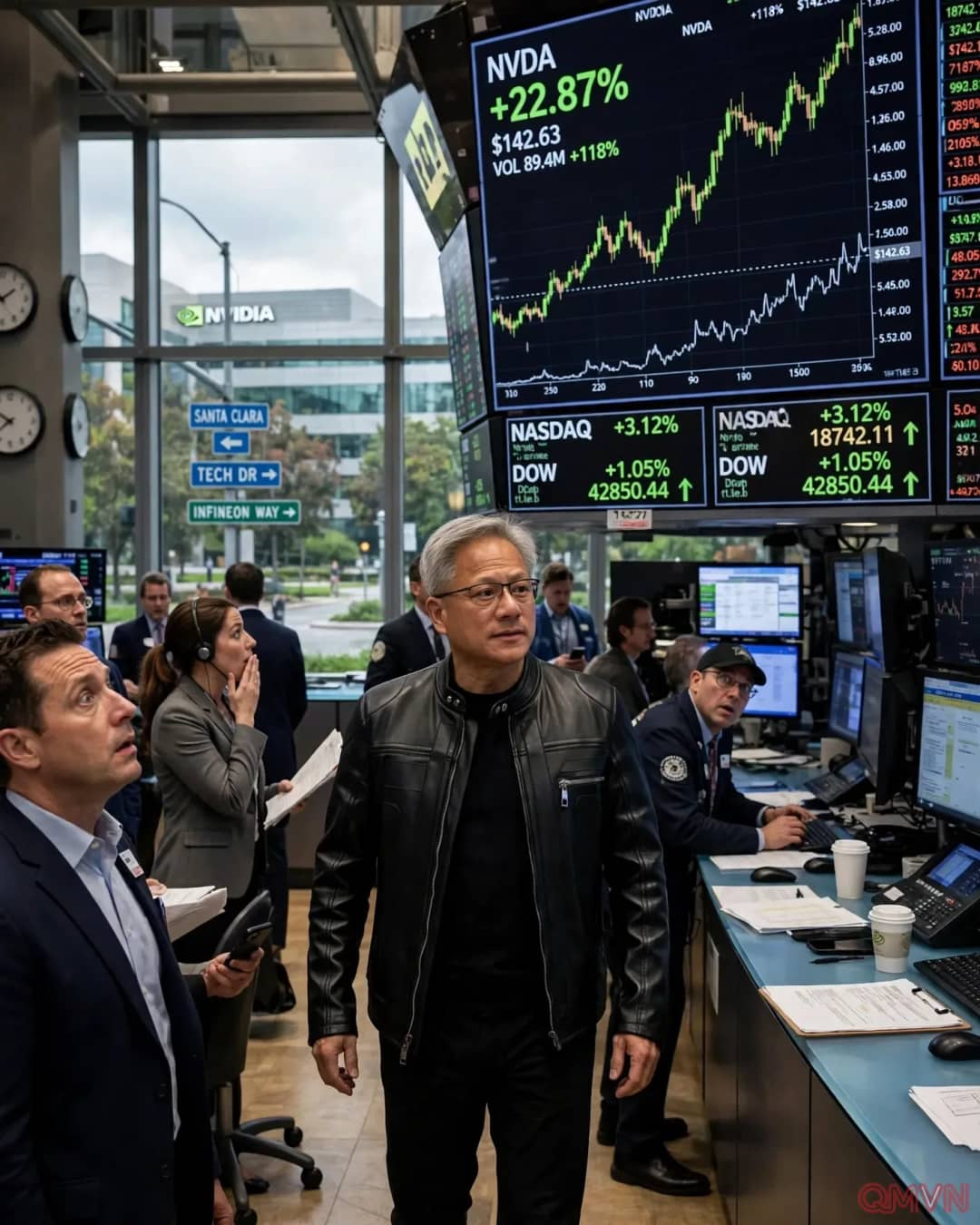
Huang’s return helped end a week-long losing streak in US stocks that had left the S&P 500 in correction territory. Nvidia shares, which fell sharply after he stepped down, jumped 31% on Monday, adding about $1tn to the company’s market value.
Even so, Nvidia’s closing price was still slightly below its Friday morning opening price. On the same day, the US Commerce Department said it was preparing to blacklist Megaspeed, the Singapore-based Nvidia customer where Alice Huang was CEO, a sign that the legal questions surrounding the case are far from closed.
Congress lines up its questions
Trump’s backing has run into concern from lawmakers in both parties over the scandal and Nvidia’s compliance with export controls:
- Republican congressman Don Bacon said Nvidia should have moved on without Huang, and that America cannot say it wants to win the AI race and then give China its best technology.
- Republican Senator Tom Cotton warned that the Nvidia-Megaspeed controversy is "just the tip of the iceberg" and vowed that Congress would investigate.
- Democratic Senator Elizabeth Warren called the reinstatement "reckless"; Representative Sydney Kamlager-Dove called it "premature", and Representative Andre Carson demanded a full accounting of whether controlled technology was diverted.
Democrats, who will control both chambers from January, have promised to open Nvidia investigations.
Huang is due to sit for a closed-door interview with three House committees on December 1 and has been asked to testify before the Senate Banking Committee two days later.
Trump’s Nvidia investments
According to a BBC review of his financial disclosures over the past two years, Trump bought Nvidia shares worth between $23m and $86m, through 85 separate purchases across several investment accounts. In September alone, disclosures show he bought $265,000 and sold as much as $15,000 worth of Nvidia stock. Over 19 sales, he gained between $3.5m and $10.2m.
The value of those holdings would have been affected by Nvidia’s fall after Huang’s exit. However, Trump and the White House have repeatedly rejected claims that he has profited from the presidency. The president has said "everybody" was making money from rising stocks and that he does not make decisions on his investment accounts; the White House stresses that his businesses are held in a trust managed by his sons.
Expert: "enormous pressure" from the White House
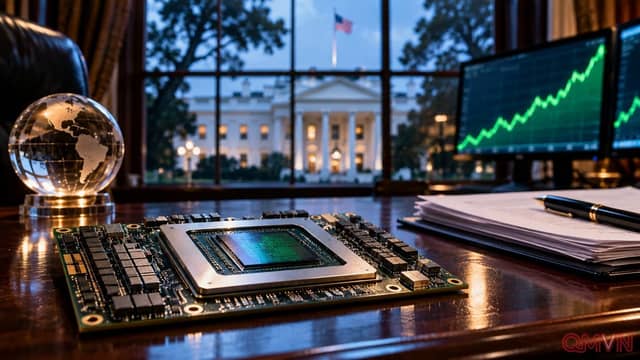
Stuart Russell, professor of computer science at UC Berkeley and head of the International Association for Safe and Ethical AI, told the BBC that Nvidia’s board must have been under "enormous pressure" from the White House. In his view, the stock prices of Nvidia and similar firms have long been a major factor underpinning US economic growth.
Russell said the White House was probably worried that markets would fall much further in the coming weeks unless Huang returned. The story is therefore not just about one CEO’s fate, but about the increasingly close, and contested, relationship between politics, markets and national security.