Collapse, but not despair
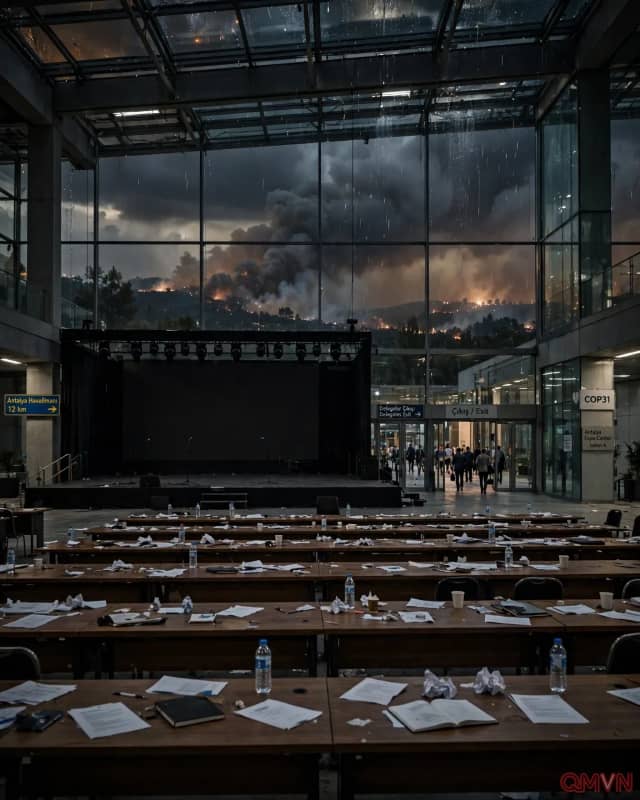
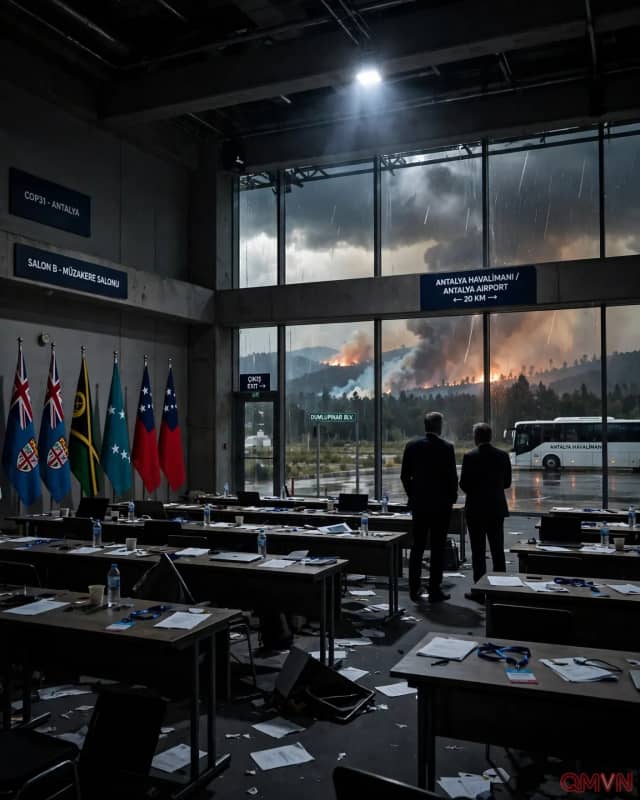
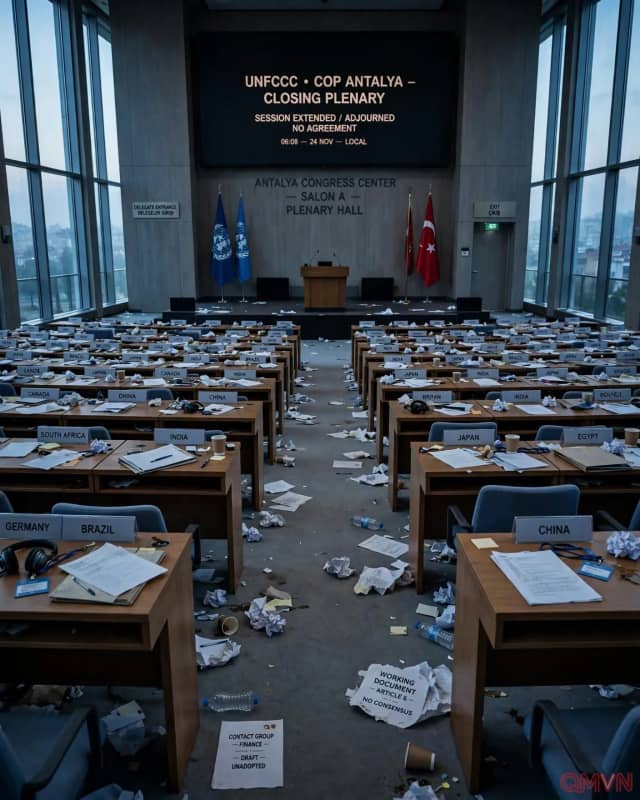
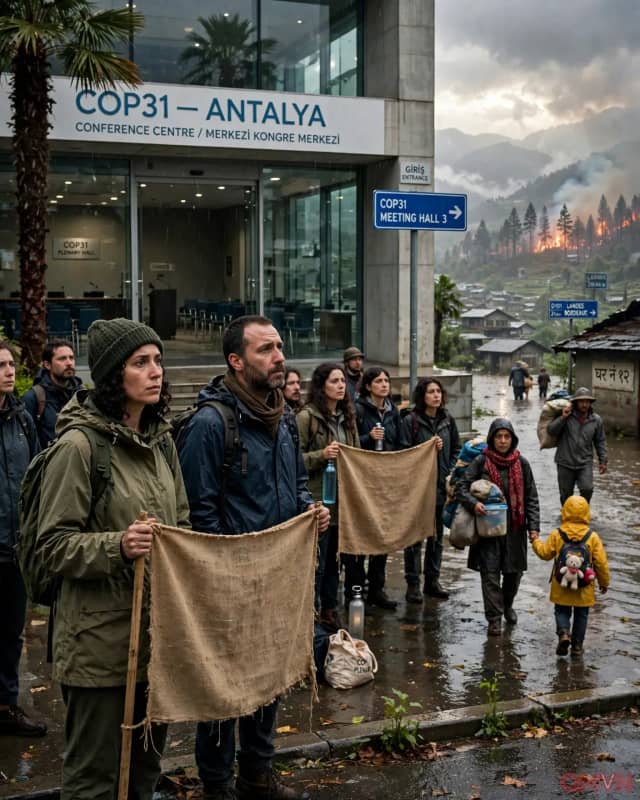
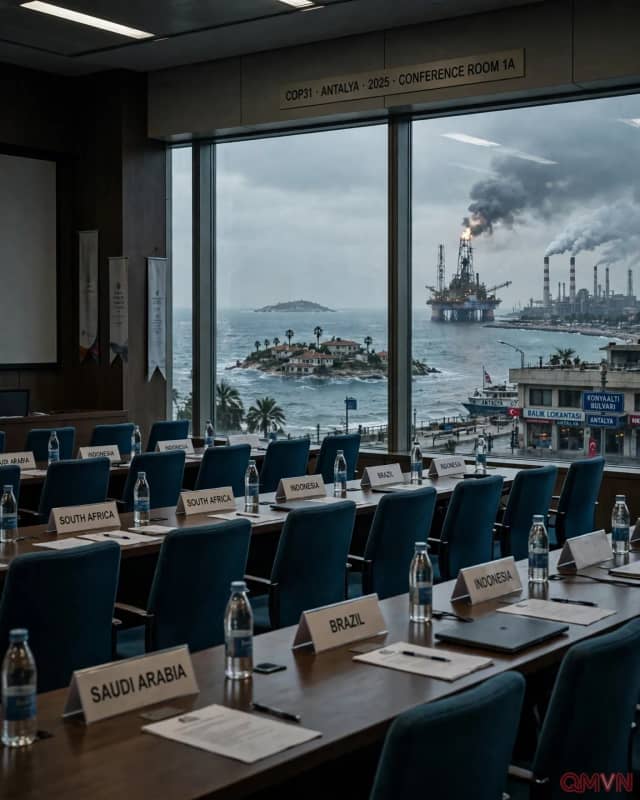
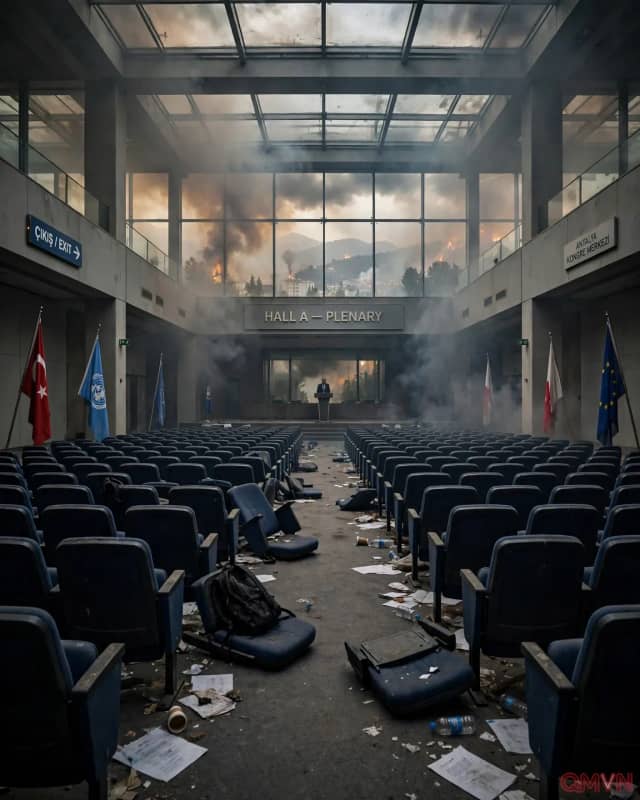
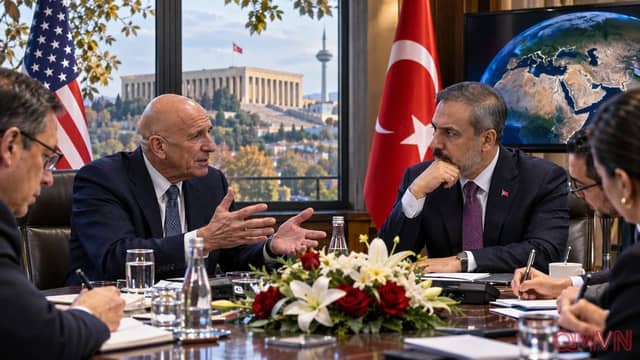
COP31 ended on Sunday without an overarching agreement that the world could follow. The main reason was disagreement over mentioning the need to transition away from fossil fuels, the chief cause of global warming. As the negotiations fell apart, UN climate chief Simon Stiell declared that the fight goes on:
The world cannot afford a repeat of this moment.
Most experts still found positives, mainly in how the failure appears to be galvanizing many countries to act on their own to phase out coal, oil and gas. Johan Rockström, director of the Potsdam Institute for Climate Impact Research, called it a climate and political crisis, but hoped it would push the world to take COP reform and delivery of the Paris Agreement more seriously. The next round of talks will be held in Ethiopia next year.
The climate does not care about politics
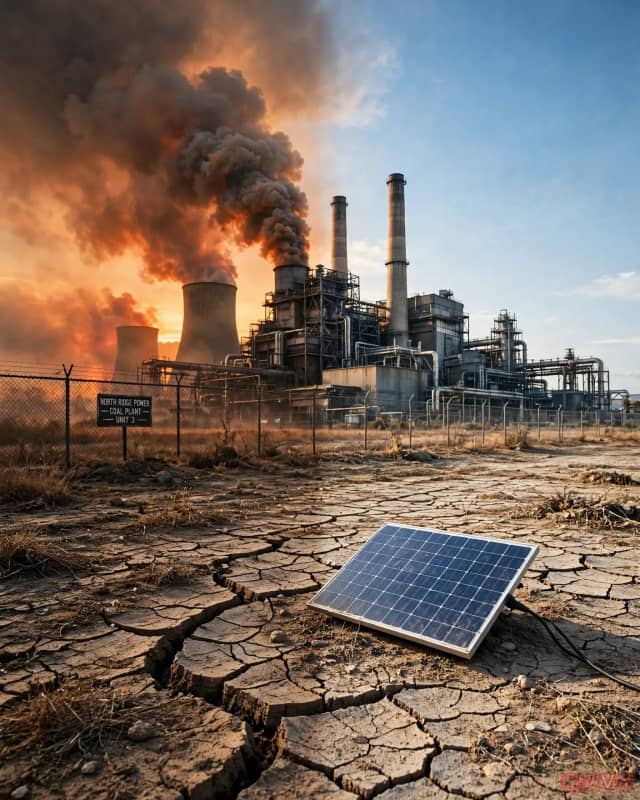
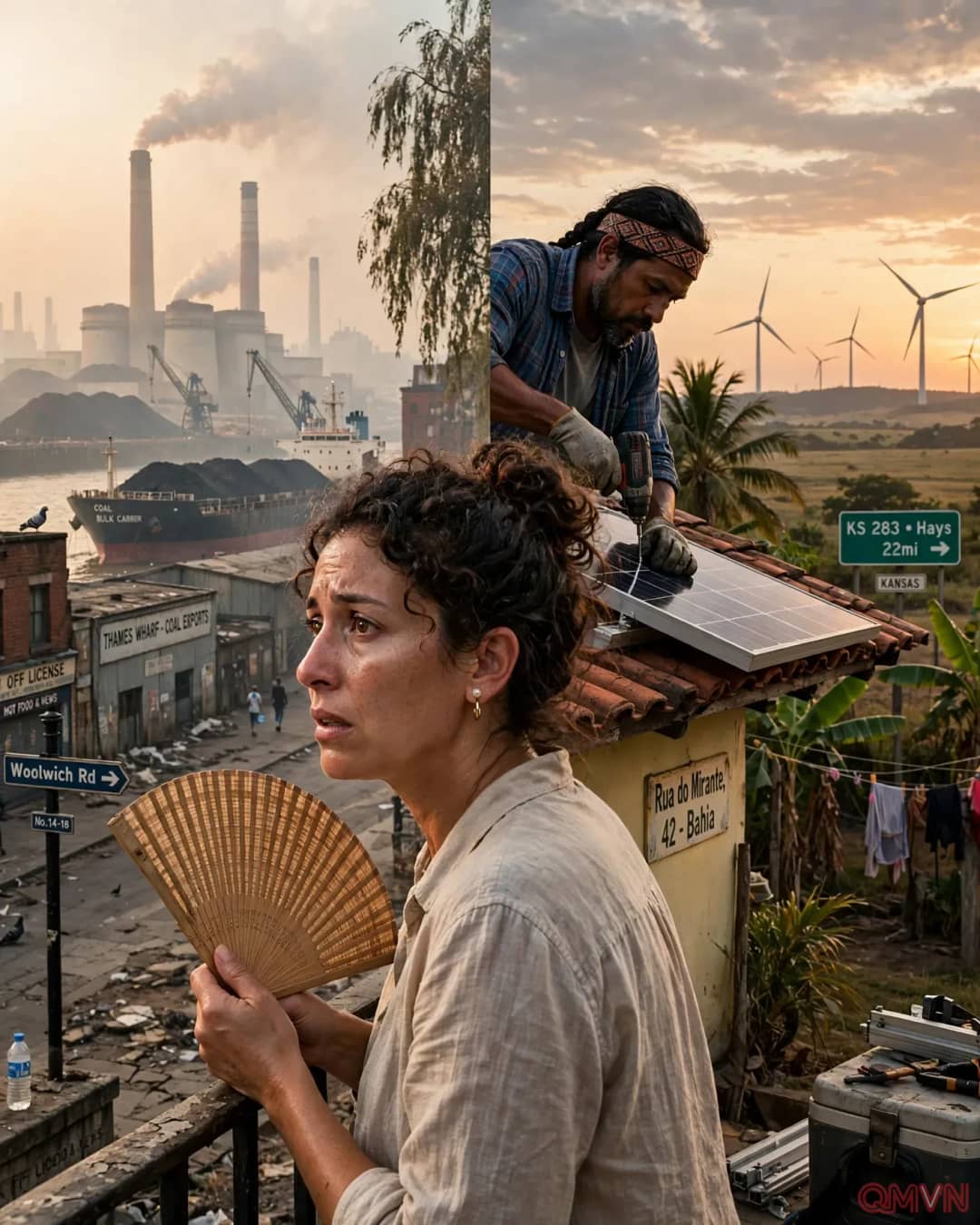
The Paris Agreement aims to limit long-term warming to well below 2°C and preferably below 1.5°C above pre-industrial levels. Earlier this year, the UN conceded that exceeding 1.5°C is inevitable, probably within a year or two. According to Rockström, overshooting it in the long term means billions of people suffering from droughts, floods, fire, heat waves, disease and storms.