MAIN CONTENT
Factory jobs are back, but not as before
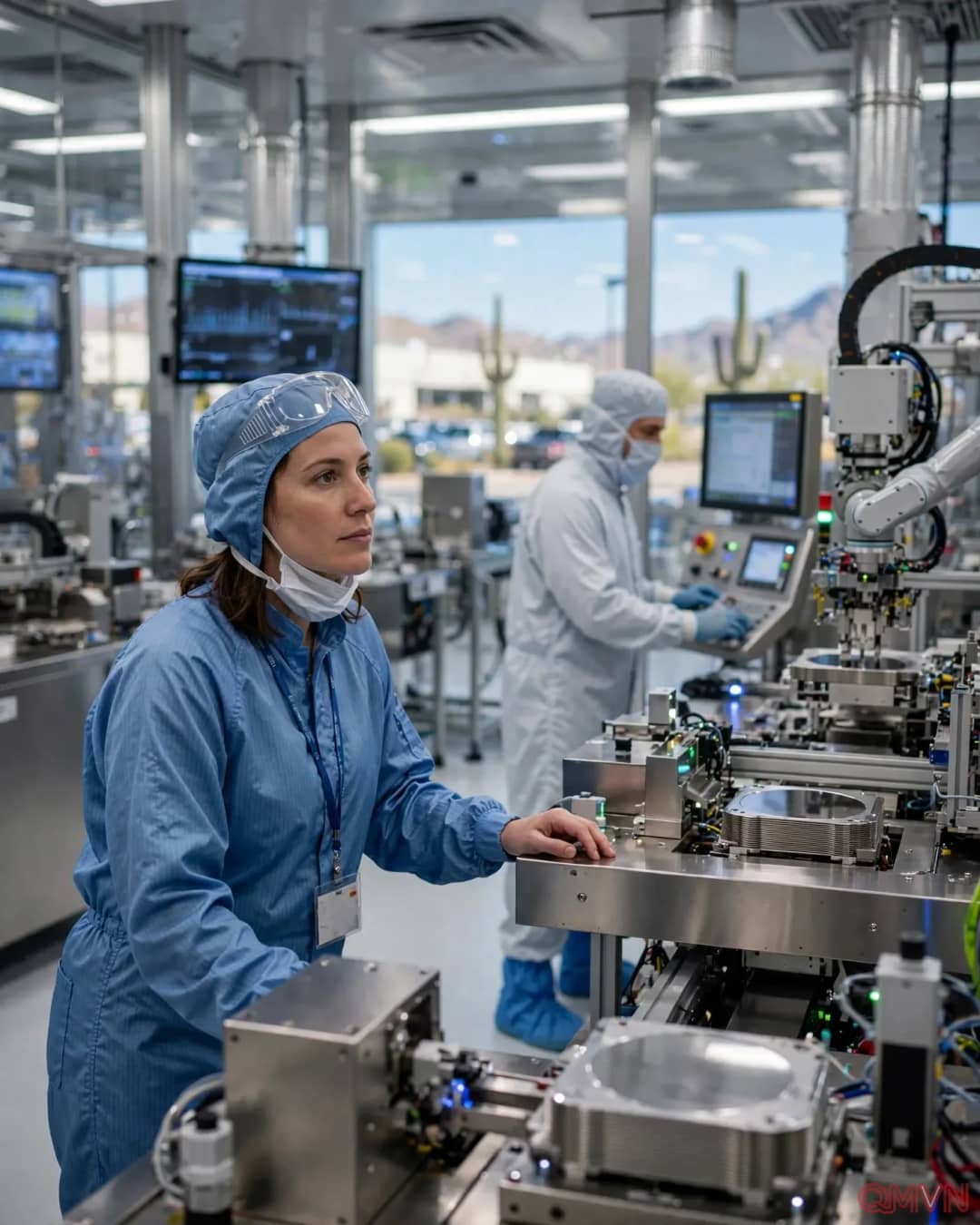
US manufacturers are hiring more white-collar staff in management and business operations, while blue-collar roles increasingly require advanced training as factories become more automated and complex. Experts say the shift matters greatly for the economy: higher-skill jobs pay better and generate more profit, but they also risk a skilled-worker shortage if training does not keep pace.
The kind of manufacturing that is returning back to the U.S. is not the same as what we used to have in the ’70s or ’80s or ’90s. You need this new worker that is very technology-centric.
According to Labor Department data, between 2015 and 2025 manufacturers cut 244,000 jobs in production occupations such as assemblers and machine operators, but added 358,000 jobs in management, business and financial operations. Robots have replaced many shop-floor workers, but not managers and engineers. Automation has also made work more complex: companies need analysts to sift through sensor data and skilled technicians to maintain the robots.