“He Put It Back”
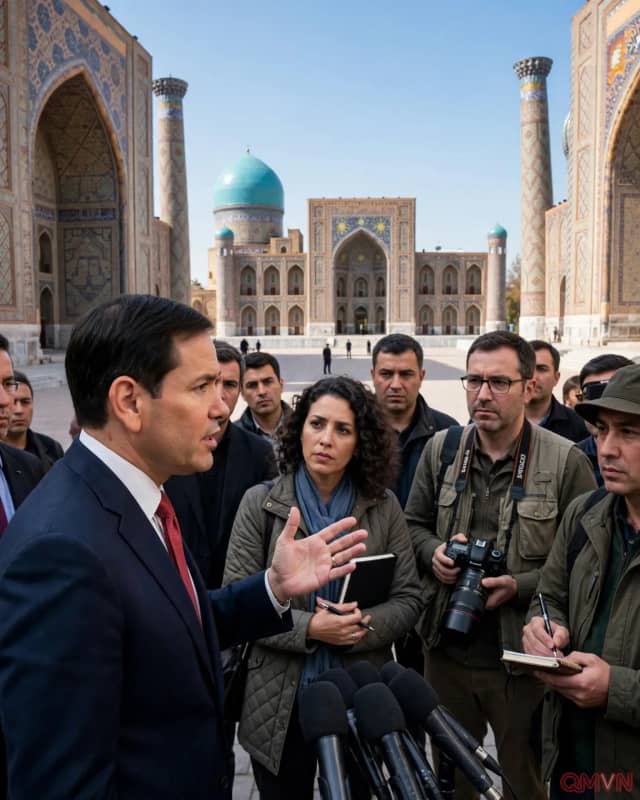
Speaking to reporters on Thursday, Trump said Musk had restored Starlink service for Ukraine but gave no further details and did not confirm whether the two had spoken directly. The same day, The Wall Street Journal reported that Trump had called Musk, asking him to lift the restrictions and expressing frustration that the system’s speeds remained capped.
I don’t want to comment on it, whether I called or whether somebody else called, doesn’t make any difference, I guess. The bottom line – he put it back.
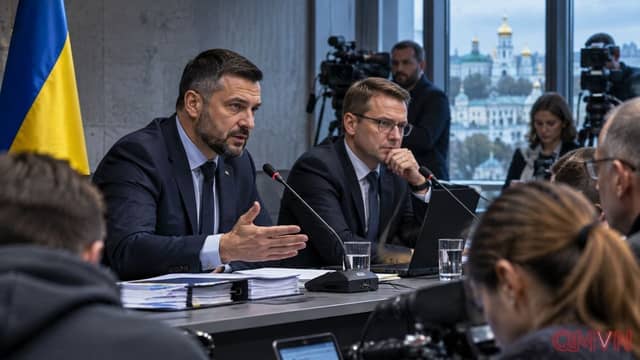
According to US and Ukrainian officials cited by The Wall Street Journal, Starlink was working more normally shortly after the call. However, some Ukrainian officials said the system had not been restored to full functionality, though it was running at higher speeds than under the cap. Earlier that day, President Volodymyr Zelenskiy said Starlink speeds had not been restored and that he hoped for talks with US Secretary of State Marco Rubio soon.
A Speed Cap That Crippled Drones
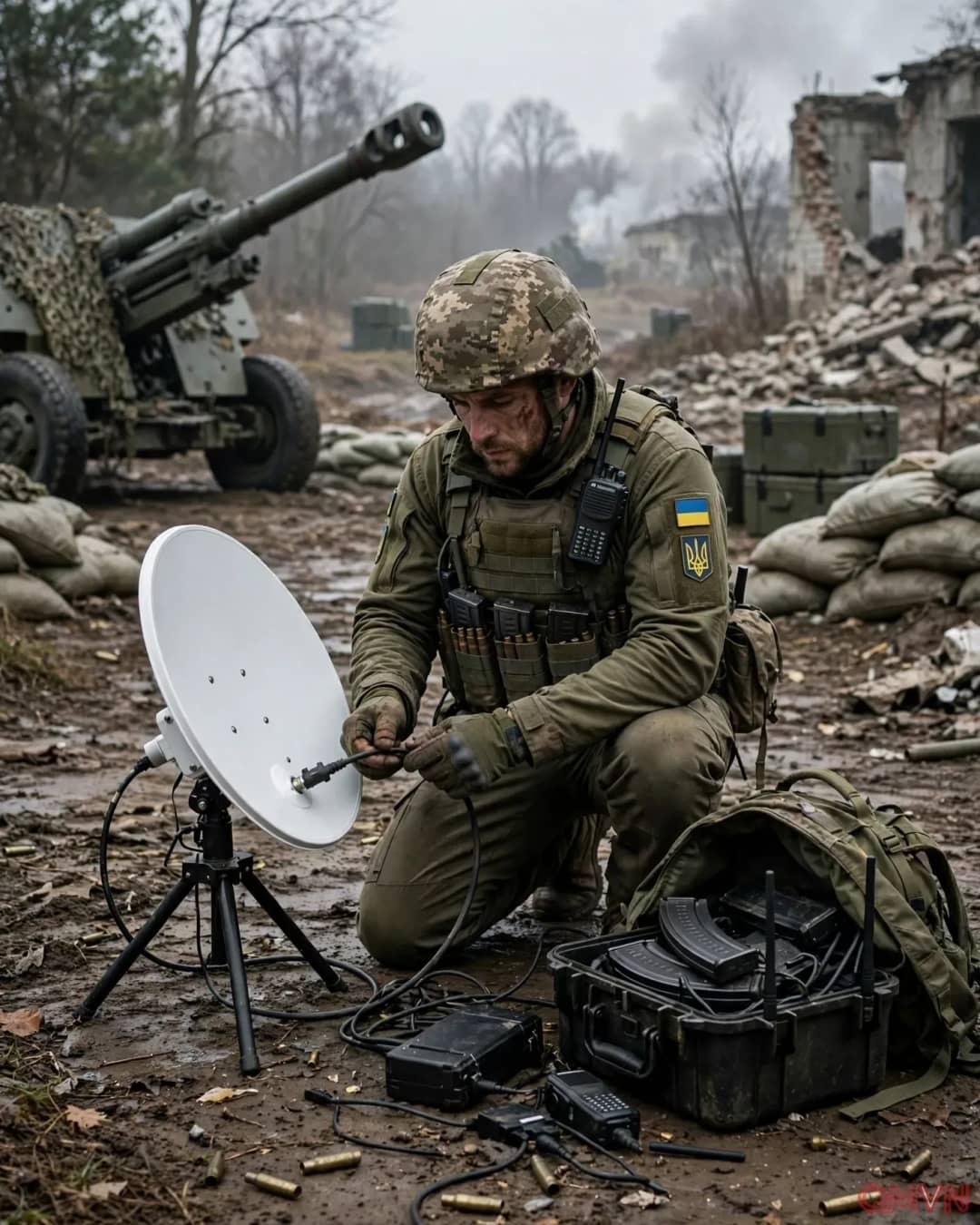
On October 14, according to Ukrainian presidential adviser Serhiy Beskrestnov, military terminals moving faster than about 160 km/h began losing connection without warning. Ukraine’s 7th Rapid Reaction Corps said some units had to cancel missions.
Kyiv stressed that interceptor drones need stable connectivity at speeds of up to 450 km/h to counter Russian aerial threats. Starlink plays a key role in three areas:
- Battlefield communications between frontline units.
- Guidance for long-range attack drones striking behind enemy lines.
- Control of interceptor drones used against Russian Shahed attack drones.
Zelenskiy called the restriction “a big mistake”. Poland, which pays for Ukraine’s Starlink subscriptions, also spoke out: Foreign Minister Radosław Sikorski warned that, as European customers, Warsaw was watching SpaceX closely.
Who Decides?
Who was behind the restriction remains unclear. Musk said any limits on speed or usage are decided by the US military. Trump has denied involvement in the slowdown, while Rubio told reporters on Wednesday that decisions on Ukraine’s access to Starlink were up to SpaceX and Musk, not the White House.
Part of the ambiguity stems from Ukraine’s use of both Starlink – SpaceX’s commercial satellite internet service – and Starshield, the military version tied to the US government. In this case, the line of responsibility between a private company and the state becomes extremely hard to draw.
US-Ukraine Ties Hit Rock Bottom
Zelenskiy’s relations with Washington have sunk to new lows after Trump announced a deal to buy Russian diesel and waived new sanctions on Moscow. Trump has also told Kyiv to stop attacking Russian refineries and urged Ukrainians to replace Zelenskiy. Meanwhile, on October 21, Russian President Vladimir Putin agreed in principle to resume US-mediated three-way talks after November 10.
On the battlefield, fighting has not eased: on Thursday, Russia pounded Kyiv with ballistic missiles, while Ukraine sent hundreds of drones towards Moscow. Trump promised to end the war when he took office, but the goal remains elusive. The Starlink story shows that in modern warfare, a satellite signal can decide the fate of an entire front.