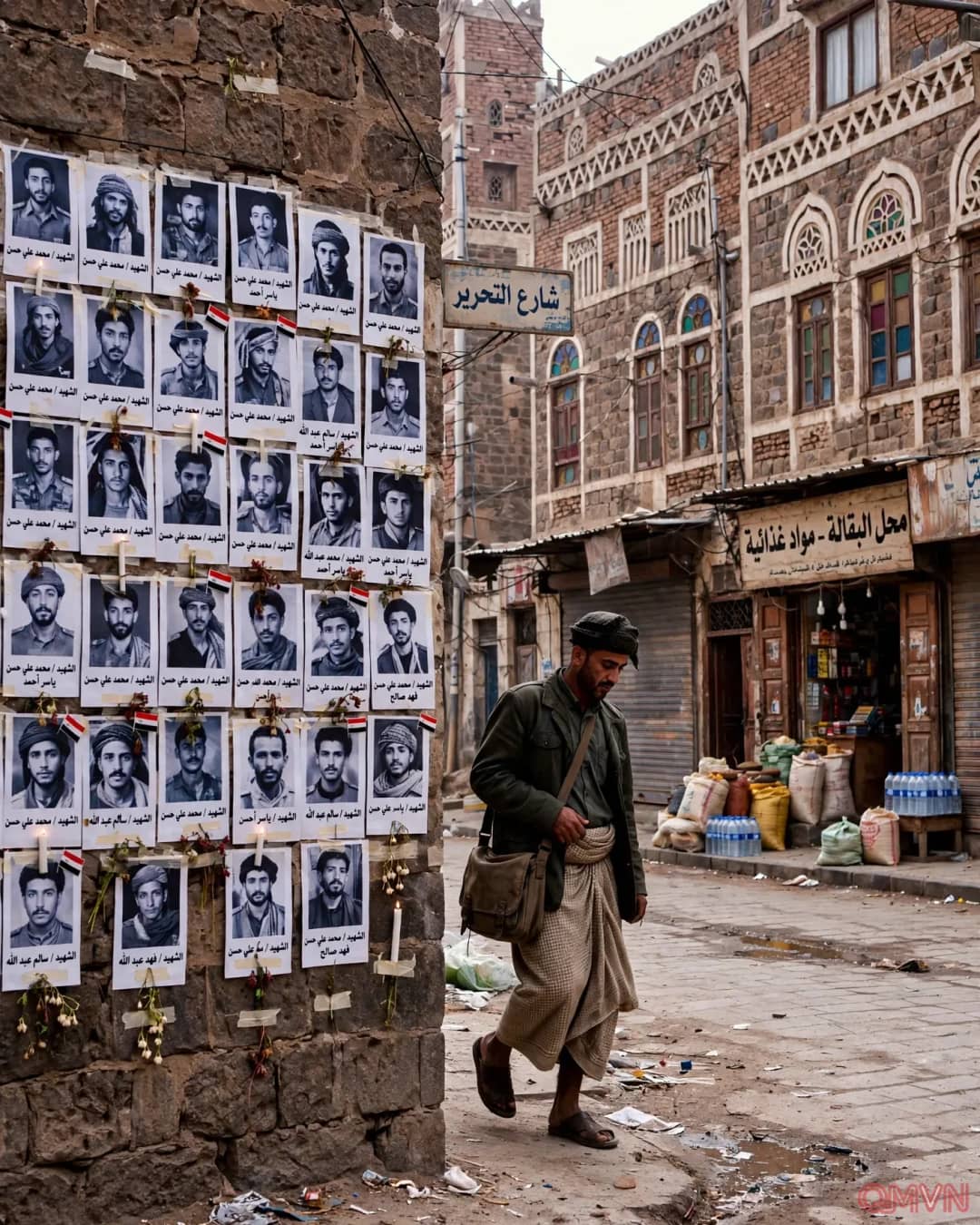
Anxiety in Sanaa
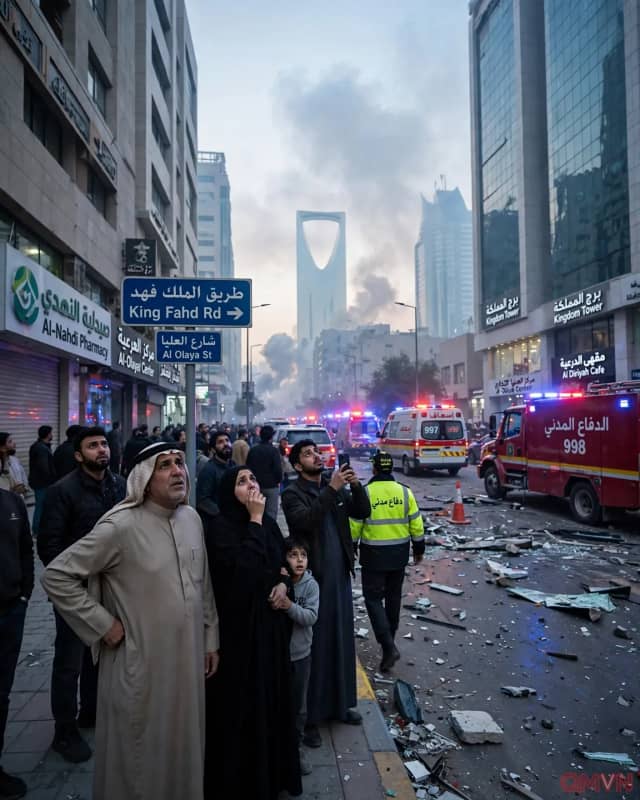
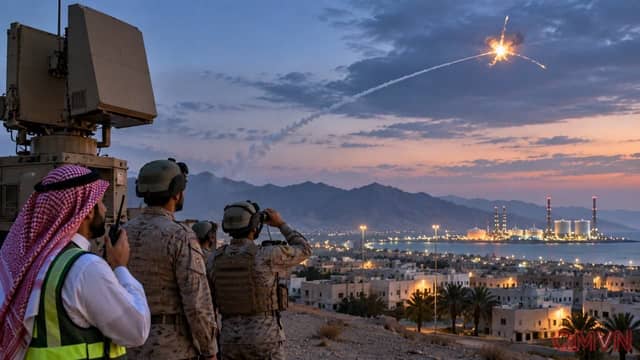
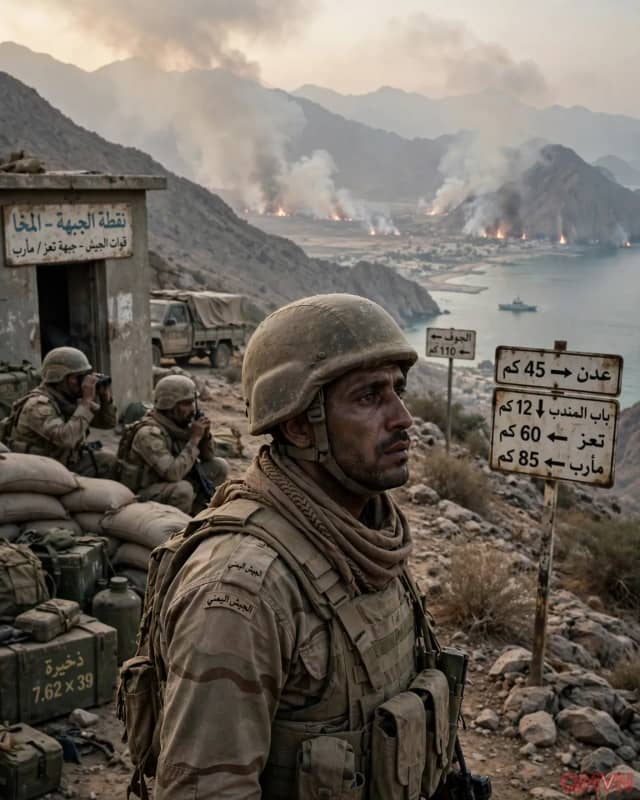
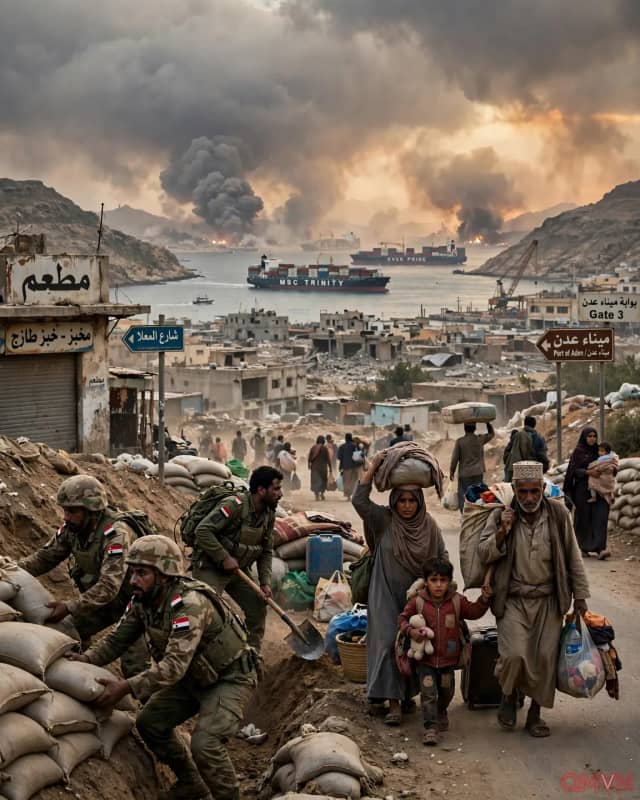
Sanaa has been under Houthi control since late 2014. When Operation Dawn of Yemen was announced with the goal of retaking all Houthi-held territory, Mohammed Ahmed, a 40-year-old Sanaa resident, and his family were gripped by worry, not about who would win but about the consequences of fighting in Yemen’s most densely populated city. A month later, his anxiety has eased as the capital remains relatively calm apart from air strikes. Meanwhile, the Houthis, also known as Ansar Allah, have gained territory in the southern provinces of Taiz and Lahij, where fighting continues. Experts say the operation marks a new phase in a war of attrition that shows no signs of easing.
Diverging Assessments of the Battlefield
Turki al-Goblan, head of Saudi Arabia’s Daimumah Center for Studies, argues the offensive has struck three pillars of Houthi strategy: the fuel and supply system, the maritime areas around the Bab al-Mandeb strait and the west coast that serve as external supply outlets, and the backing of tribes around Sanaa, some of which have now declared support for the government. In his view, the pace of attrition has outstripped the Houthis’ ability to recover.