MAIN CONTENT
An inquiry is not a verdict
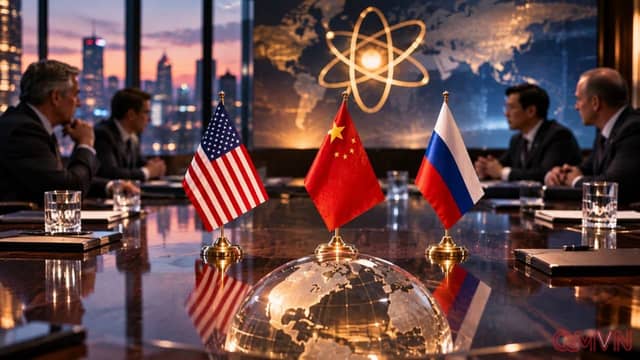
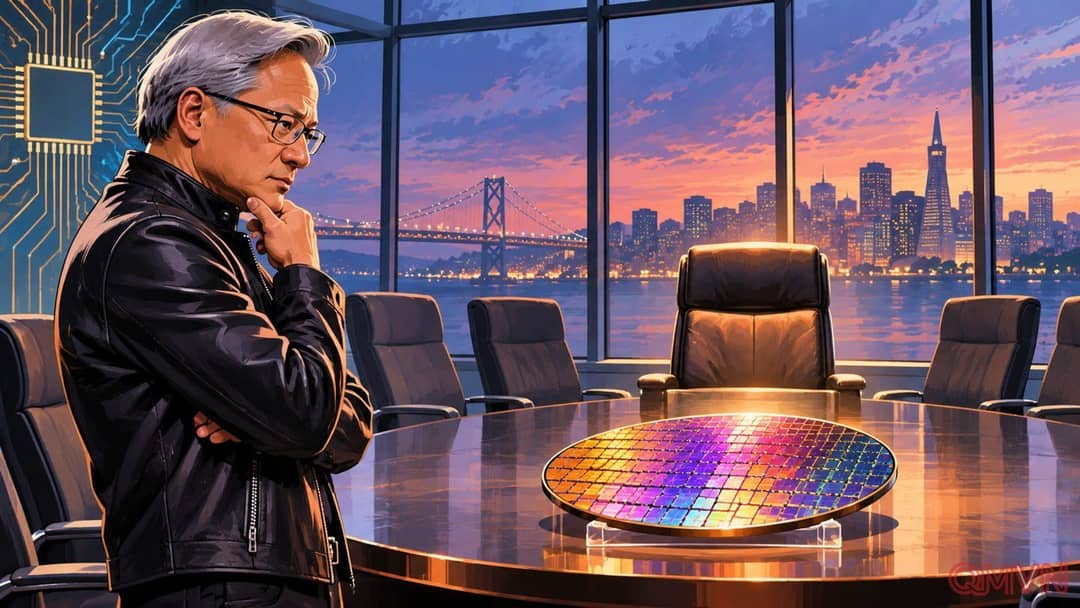
On November 8, Nvidia announced that independent directors, supported by external counsel, would investigate reporting suggesting that Jensen Huang had been targeted by a foreign intelligence effort. The board emphasized American national and economic security and reaffirmed its confidence in the company's leadership. Crucially, it said it had no reason to believe either Nvidia secrets or national security had been compromised. The inquiry is a search for facts, not a finding that Huang disclosed confidential information or acted on behalf of a foreign power.
Reporting by the Financial Times and other outlets described Huang's private relationship with a businesswoman whom American intelligence officials reportedly suspected of links to China. A reported relationship must not be confused with proof of espionage. Huang has apologized for infidelity, but that acknowledgment establishes neither misconduct involving proprietary information nor any national-security offense. Responsible reporting, just like responsible corporate oversight, should preserve this distinction until independently tested evidence supports stronger conclusions.
The price of dependence on a singular leader
A co-founder since 1993, Huang has guided Nvidia through successive computing revolutions, from graphics processing to the infrastructure used to train advanced AI systems. His engineering judgment, customer relationships and unusually broad public influence have made him seem indispensable.