Fiscal Impasse in Brussels and the Threat of Coalition Dissolution
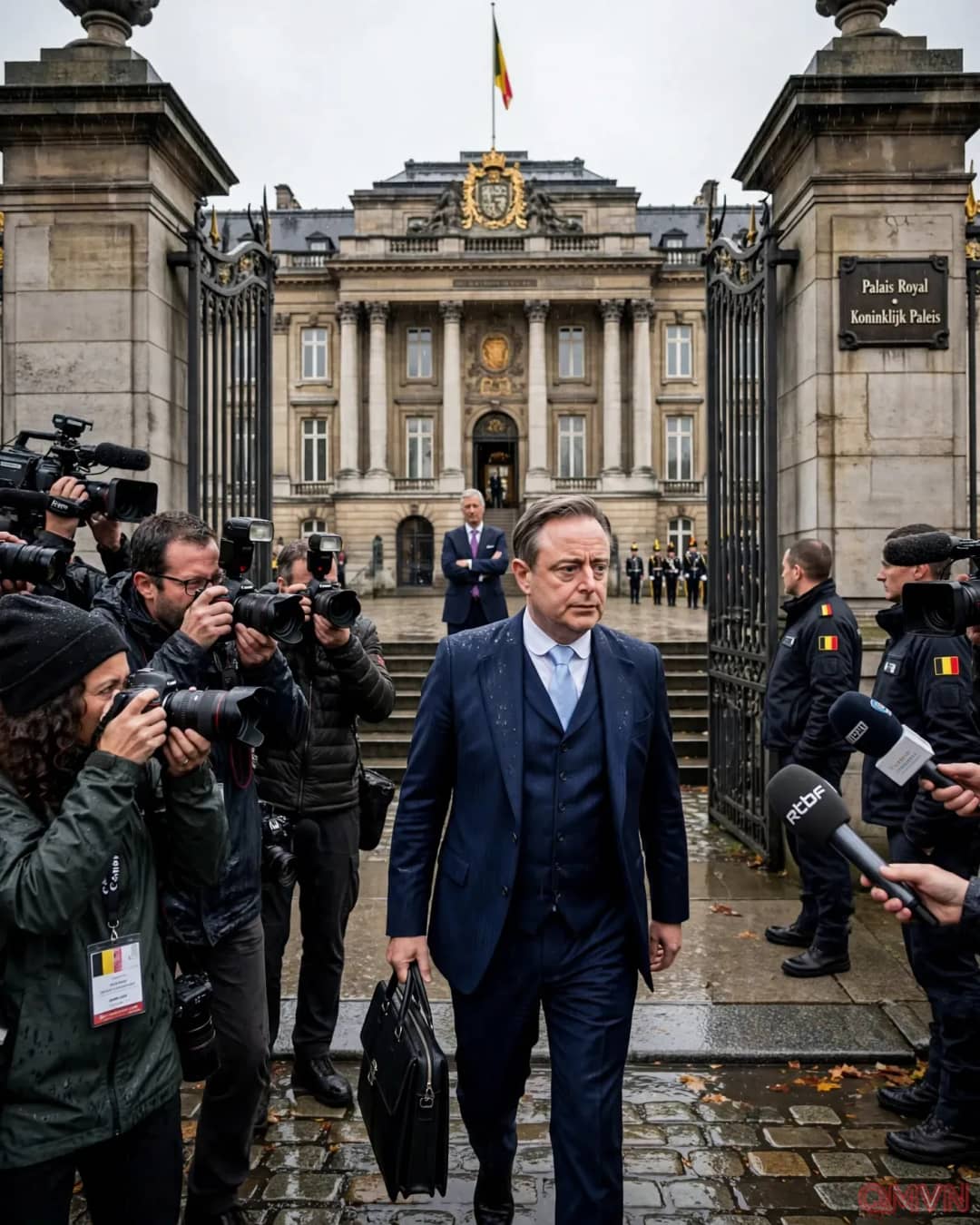
The political crisis paralyzing the Belgian federal executive reached a boiling point on the morning of November 2, 2026, when Prime Minister Bart De Wever traveled to the Royal Palace in Brussels for urgent audience with King Philippe. Following exhaustive overnight deliberations, De Wever’s fragile five-party coalition proved entirely incapable of reconciling deep structural disagreements over the national budget for the forthcoming fiscal year. Central to the confrontation was De Wever’s insistence that Belgium must implement €10 billion in spending cuts and tax measures to keep sovereign accounts under control. Influential daily De Tijd reported that King Philippe might temporarily decline the prime minister’s resignation, instead ordering De Wever back to the negotiating table for a final mediation push before evaluating alternative coalition formations or dissolving parliament for snap elections.
" Without decisive budget cuts we face an interest snowball where new loans must be taken just to pay interest on debt " Bart De Wever
Financial Market Turmoil and the Ethical Peril of Healthcare Retrenchment
The authentic human gravity of this governmental collapse extends far beyond cabinet portfolios, impacting the lived reality of everyday Belgian families navigating high inflation and cost-of-living strains. The protracted deadlock reflects an ideological chasm: De Wever’s Flemish nationalist N-VA alongside the liberal Reformist Movement (MR) have adamantly demanded structural expenditure cuts, focusing heavily on public healthcare allocations; conversely, socialist and centrist coalition partners have staunchly resisted service reductions, demanding comprehensive wealth taxes to fund public coffers.