MAIN ARTICLE
Why the sequence of negotiations matters
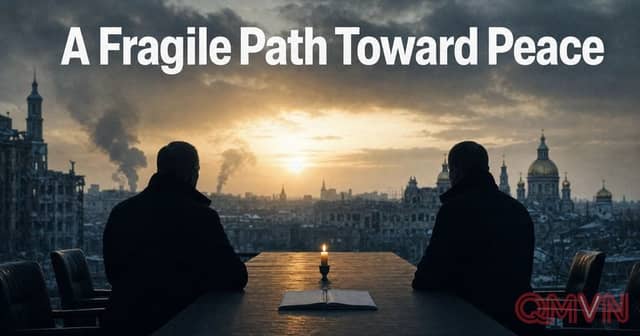
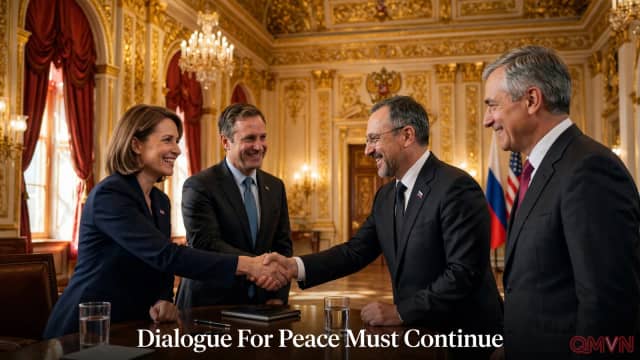
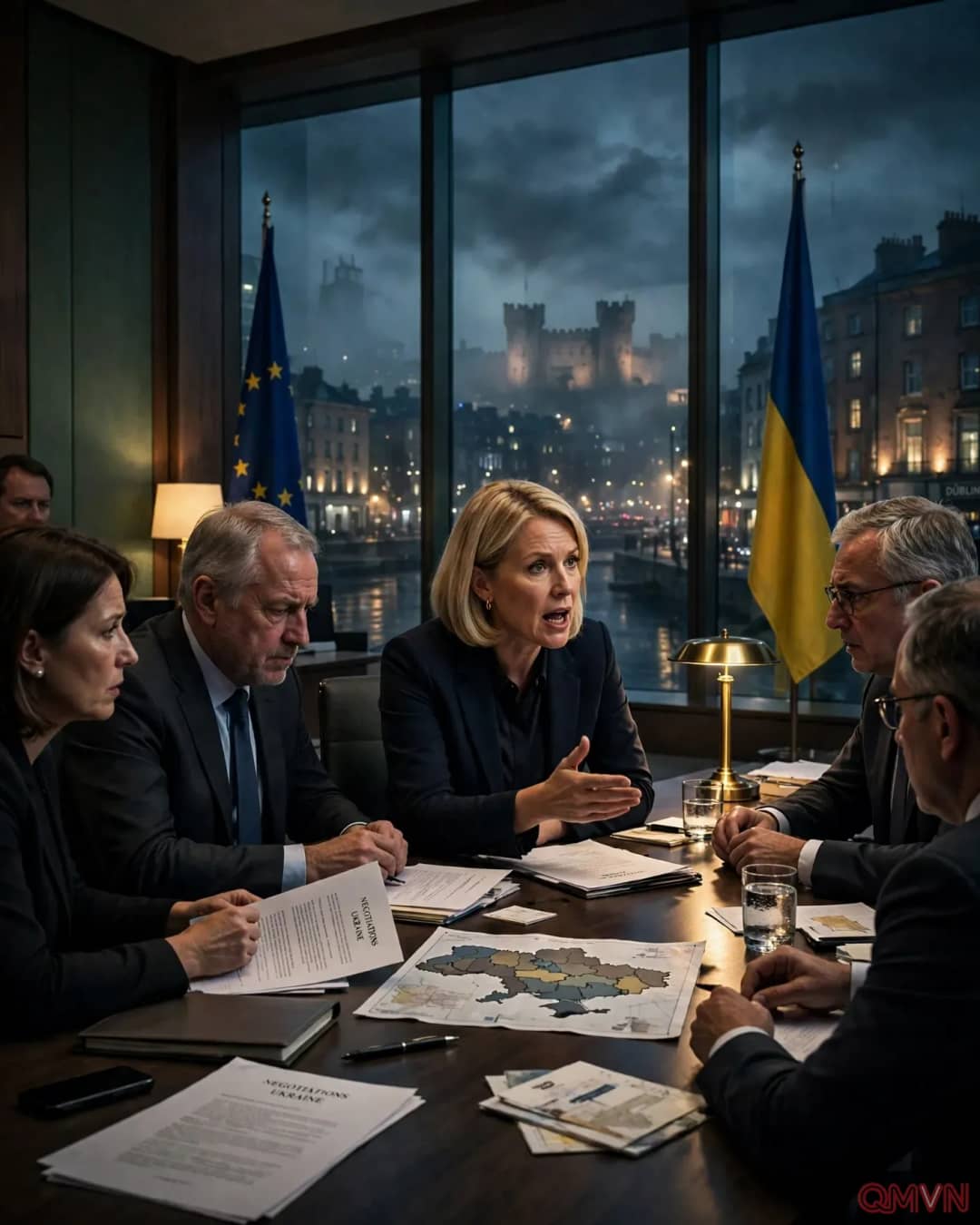
Kaja Kallas used the Dublin meeting to restate a principle that can disappear amid complex diplomatic bargaining: before designing a postwar security order, the fighting in Ukraine needs to stop. In comments reported by European outlets, she warned that immediately debating the continent’s security architecture could obscure the more basic test of whether Russia is willing to accept a ceasefire.
This approach puts verifiable conduct ahead of an elaborate catalogue of promises. A ceasefire cannot by itself secure lasting peace, but it could create space for monitoring, civilian protection and a clearer assessment of the parties’ intentions. Reversing the sequence risks entangling negotiators in questions of borders, foreign forces and military alliances while violence continues on the ground.
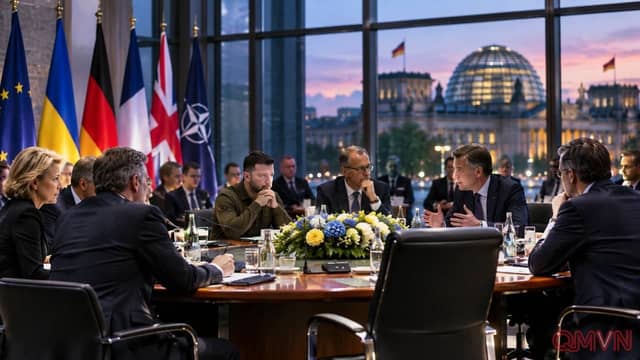
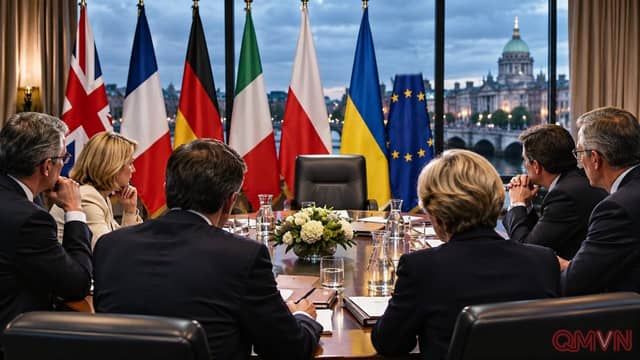
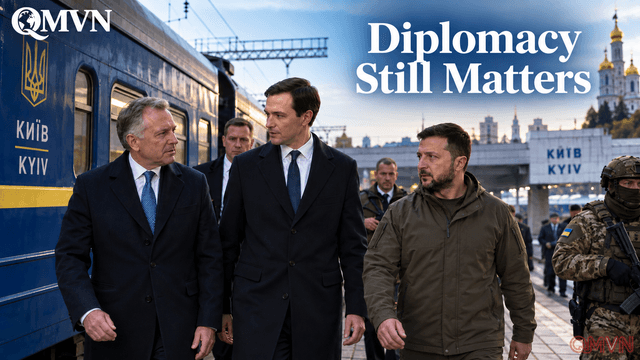
Kallas was not calling for Europe to abandon diplomacy. She argued instead that Europeans must both participate and exert real influence on the outcome. European governments would be asked to finance assistance, contribute to security arrangements and support reconstruction if a final agreement emerged. Their role therefore cannot sensibly begin only after the terms are settled.