MAIN ARTICLE
One place at the table, six sources of authority
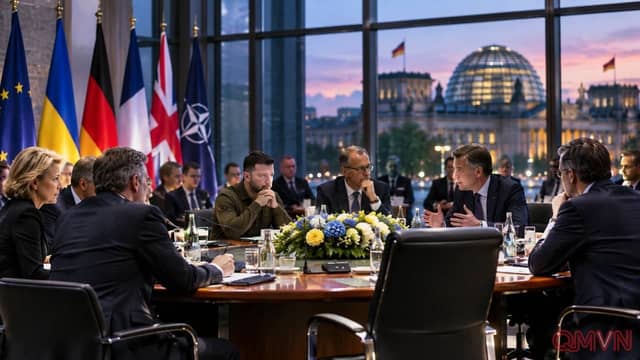
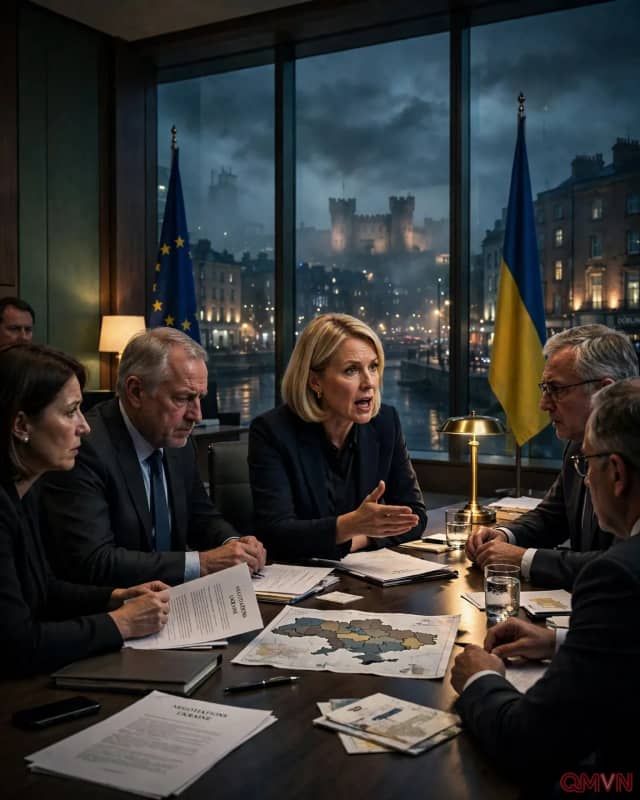
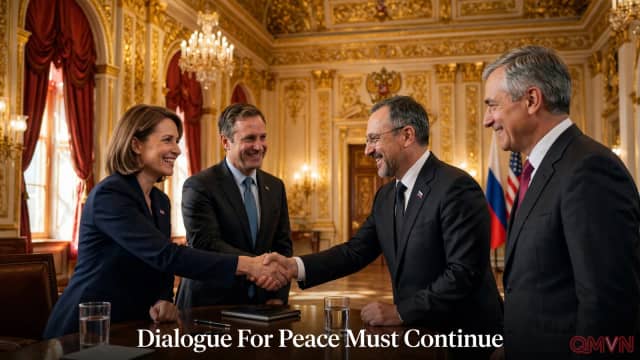
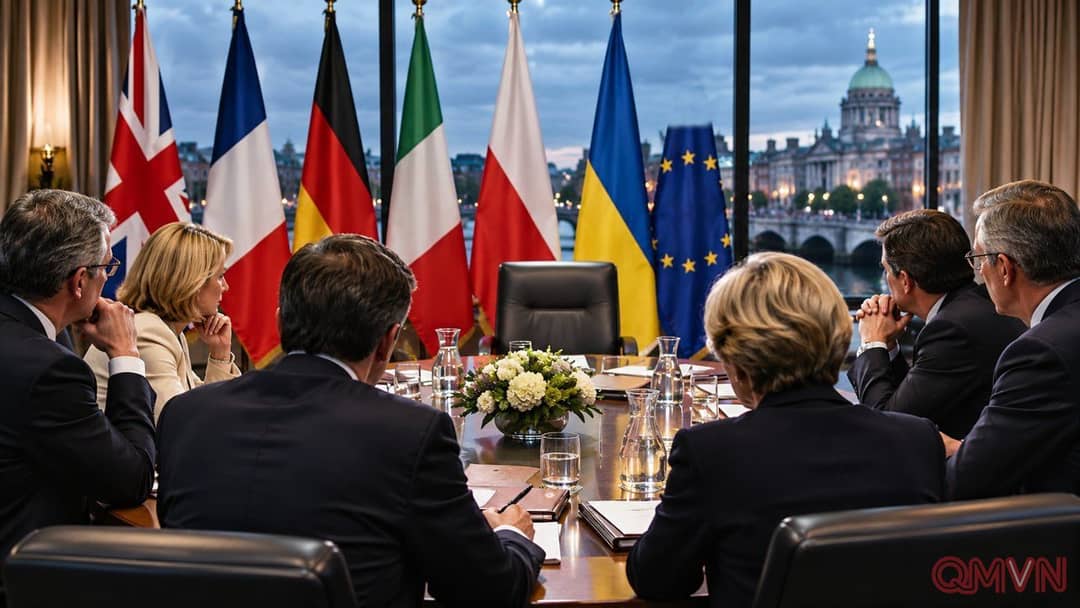
At their informal Dublin gathering, European Council President António Costa identified EU institutions and five leading countries in the Coalition of the Willing as Europe's negotiating team. Rather than elevate one all-purpose envoy, the leaders settled on shared representation, reflecting a continent where political legitimacy and responsibilities are distributed among national governments and common institutions.
Britain brings considerable defense capacity despite being outside the EU; Poland speaks from the perspective of countries near Russia; France, Germany and Italy carry substantial diplomatic, economic and security weight. The EU institutions offer a channel for other member states and for powers exercised collectively, including sanctions and Ukraine's eventual integration into the bloc.
The arrangement nonetheless creates a vulnerability. National priorities do not always align, and negotiating partners may seek to exploit those gaps. Europe's credibility therefore will not be established by the number of delegations present, but by whether they can defend a clear common position when difficult compromises are proposed.