MAIN CONTENT
When peace must pass through several centres of power
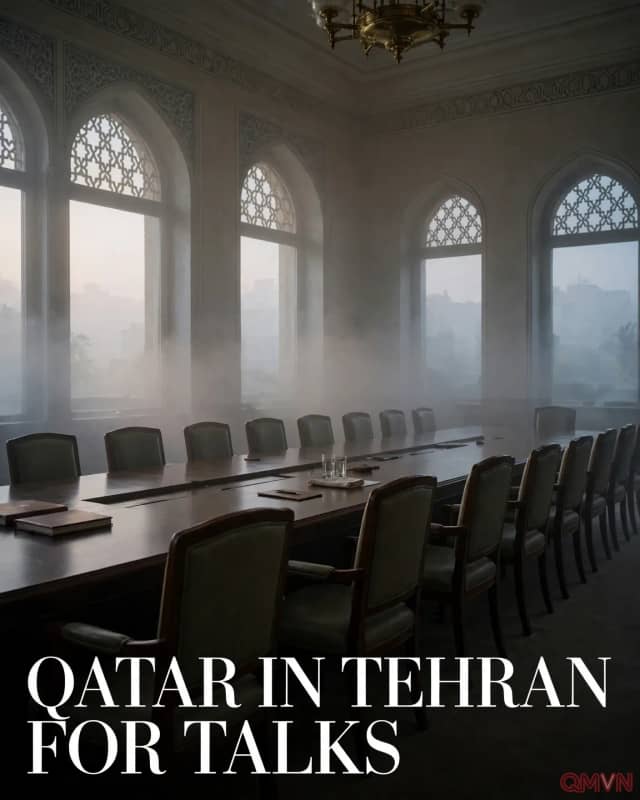
A diplomatic process rarely depends only on the people at the negotiating table. In Iran, the government, security institutions, parliament, influential organisations and the media create a complex political environment. Each has its own view of security, the United States and the national interest. A text may therefore look like an exit in one place and a retreat in another.
Opponents are often debating more than wording. They fear that easing tensions could change the domestic balance of power or make wartime sacrifices seem diminished. For an agreement to endure, negotiators need a convincing account: peace is not the abandonment of dignity, but a way to protect people and preserve choice for the future.
Why a preliminary agreement is easy to damage
A memorandum or ceasefire can open a door, but it does not create trust on its own. Provisions on sanctions, maritime security, nuclear issues and monitoring all need to be understood in the same way.