Automated Assembly Lines and the Illusion of Employment Revival
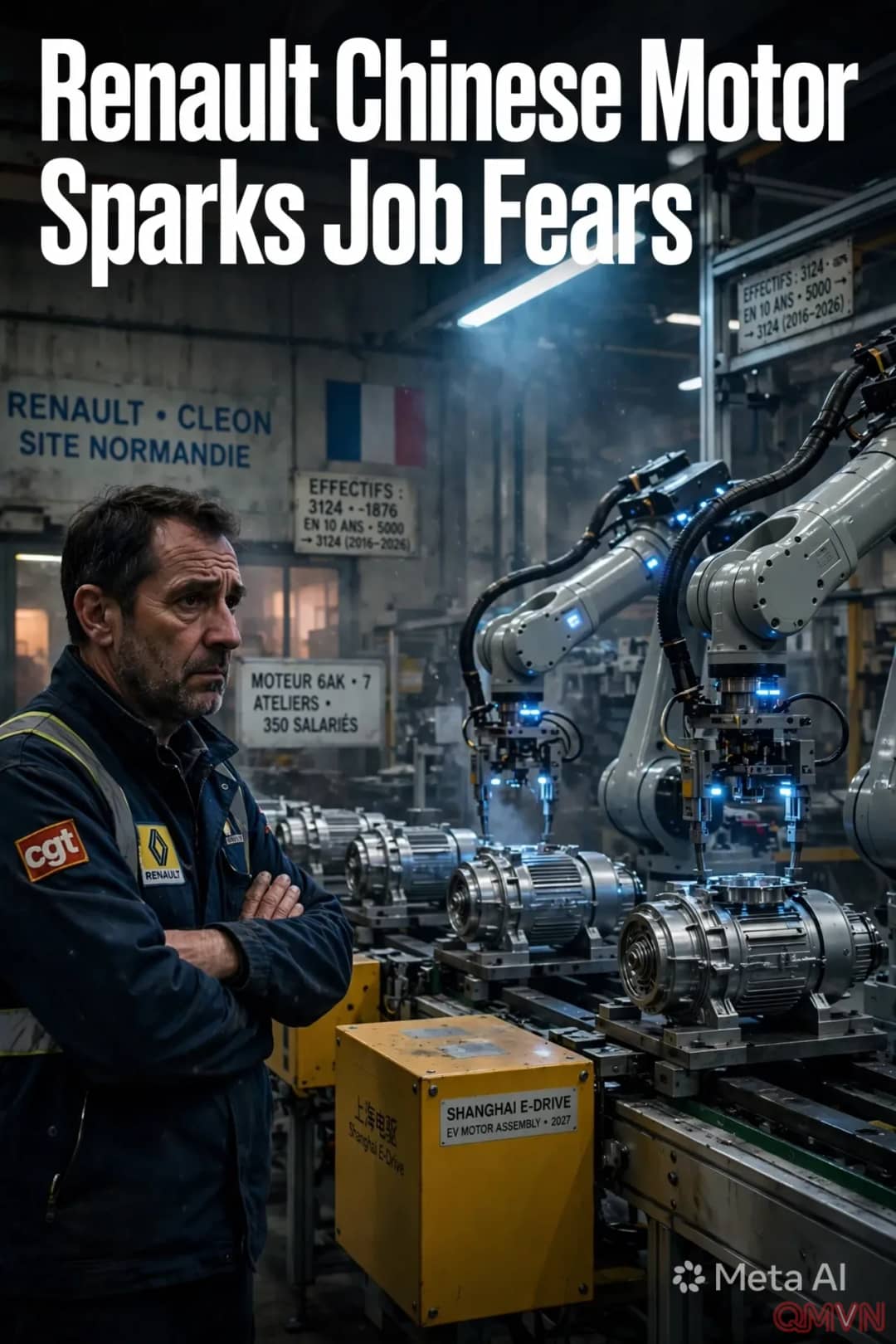
In the small town of Cleon, home to fewer than 5,000 residents, Renault management heralded the arrival of Shanghai E-Drive's electric motor assembly machinery as a tangible symbol of corporate commitment to the site’s future. However, shopfloor workers and union organizers quickly questioned the employment claims underpinning the cross-border venture.
Representatives from the General Confederation of Labour (CGT) emphasized that modern electric motor assembly lines rely heavily on advanced robotics, minimizing human labor requirements to a negligible fraction of historical staffing levels:
It will only create 27 jobs in total across all teams … it’s an assembly line and it works without workers; unfortunately there is no longer the need for many people.
Internal Cannibalization and Threats to Comprehensive Manufacturing
Worker unease is deeply intensified by operational overlap, with trade union officials arguing that the Chinese-engineered powertrain threatens to replace the plant’s flagship 6AK electric motor. While the 6AK process retains comprehensive domestic manufacturing — employing 350 workers across seven specialized foundry, machining, winding, and assembly bays — the Shanghai E-Drive contract centers almost entirely on final assembly and warehousing logistics.