MAIN CONTENT
A promise survives a change at the top
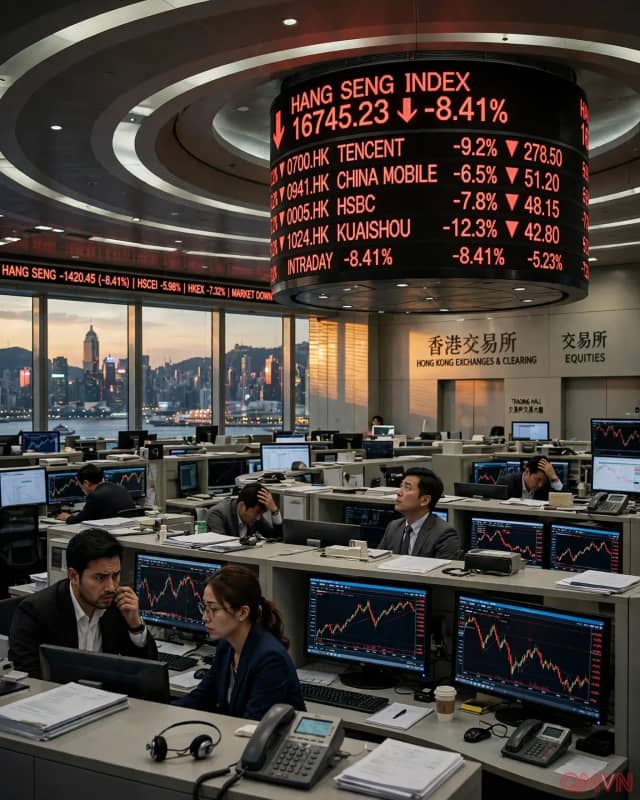
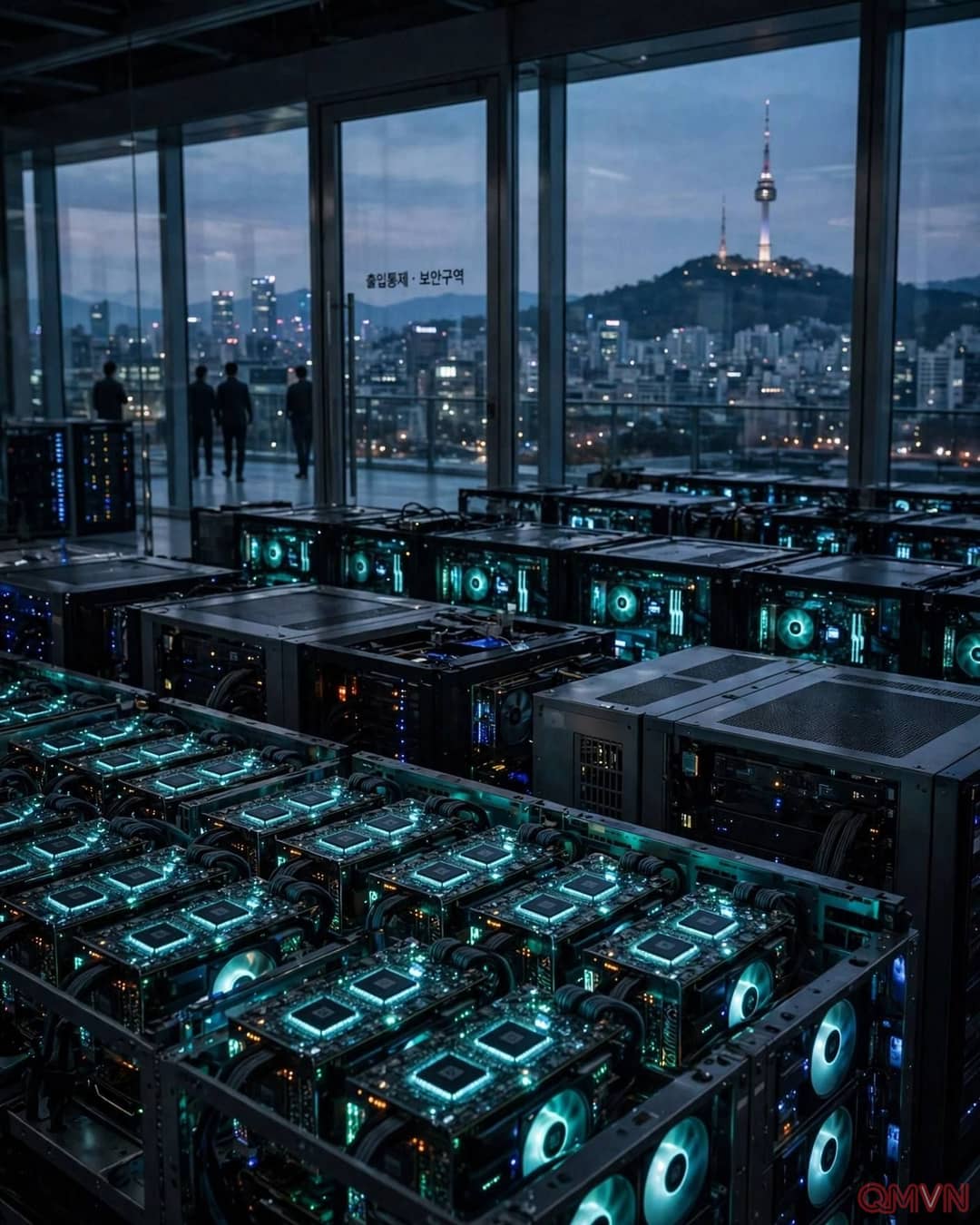
A sudden leadership change at a company central to global AI infrastructure can unsettle customers even when existing contracts remain in place. That concern reached Seoul after Huang stepped down at Nvidia. On November 13, Minister Bae said officials had held a review meeting with the company and reaffirmed the previously announced plan for up to 260,000 advanced GPUs. The statement presented continuity as a corporate commitment rather than a personal undertaking by a departing executive.
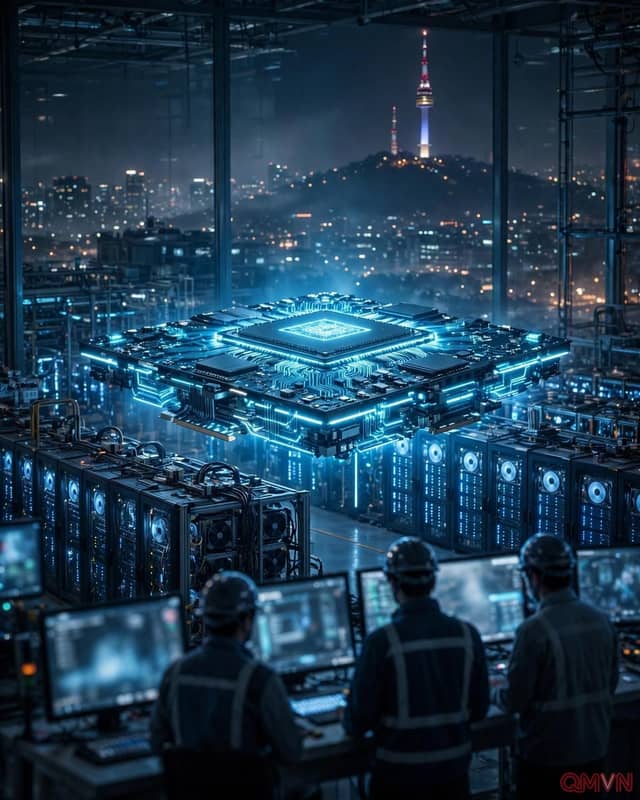
The South Korean response was deliberately institutional. In addition to the ministry’s consultation, the Presidential Council on National Artificial Intelligence Strategy held an emergency review of potential effects on supply, technology partnerships and domestic AI development. The meetings did not, by themselves, guarantee delivery schedules or eliminate commercial risks. They did establish that Seoul wanted direct confirmation from Nvidia at a moment when speculation might have obscured the projects’ practical status.
According to Reuters and South Korean news organizations, the earlier arrangement dates to the Asia-Pacific Economic Cooperation meetings in 2025. Government agencies and companies including Samsung Electronics, SK Group, Hyundai Motor Group and Naver Cloud were associated with the wider infrastructure push. The announced total describes a national-scale commitment involving multiple participants, not a claim that every GPU has already arrived or belongs to the government.