MAIN ARTICLE
A promise of unity gives way to an unexpected alliance
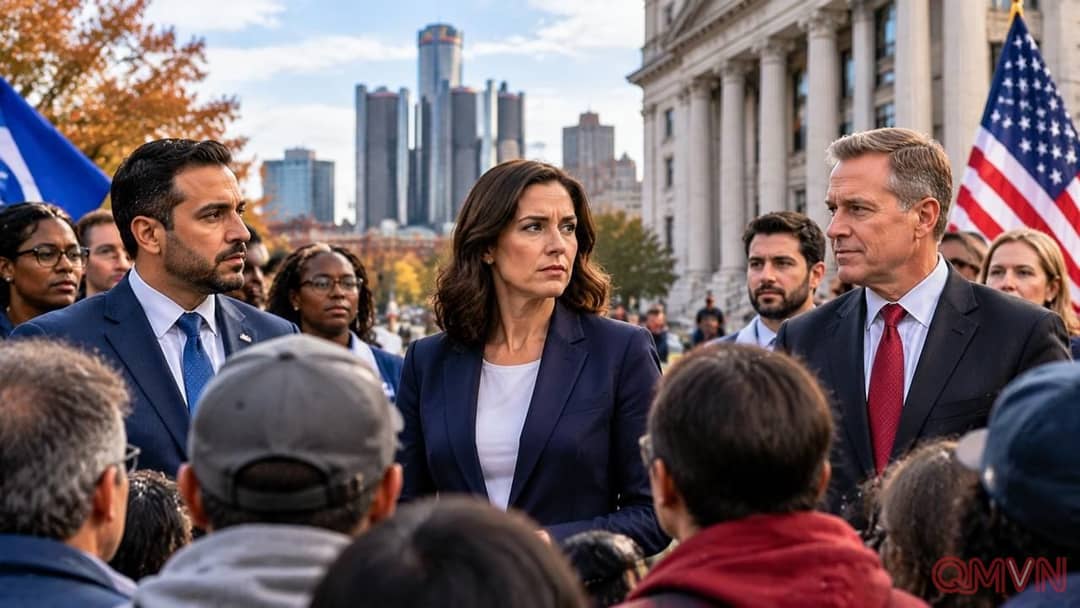
On November 1, Stevens attended a church service in Detroit alongside Rogers and then released a video endorsing the Republican candidate. This came after she had promised to support El-Sayed following her defeat in the Democratic primary. Rogers, endorsed by President Donald Trump, had previously been criticized by Stevens for aligning too closely with the president’s agenda. The sudden shift disrupted a carefully planned effort to present a united Democratic front as Michigan prepared to vote.
Stevens said El-Sayed’s campaign told her she was no longer welcome at its events, and she questioned what she regarded as hateful rhetoric and the company kept by her former opponent. El-Sayed’s camp and Democratic allies disputed her characterization, suggesting her public denunciations had derailed the planned joint appearance. These are competing political accounts rather than findings independently established by investigators. That distinction matters when an endorsement quickly turns into a debate about personal motives.
Israel, outside advertising and the weight of campaign finance
The immediate flashpoint was an advertisement by an independent group connecting rising household costs with American military support for Israel. Stevens objected sharply and demanded that El-Sayed condemn it.