Relief Spreads Across the States
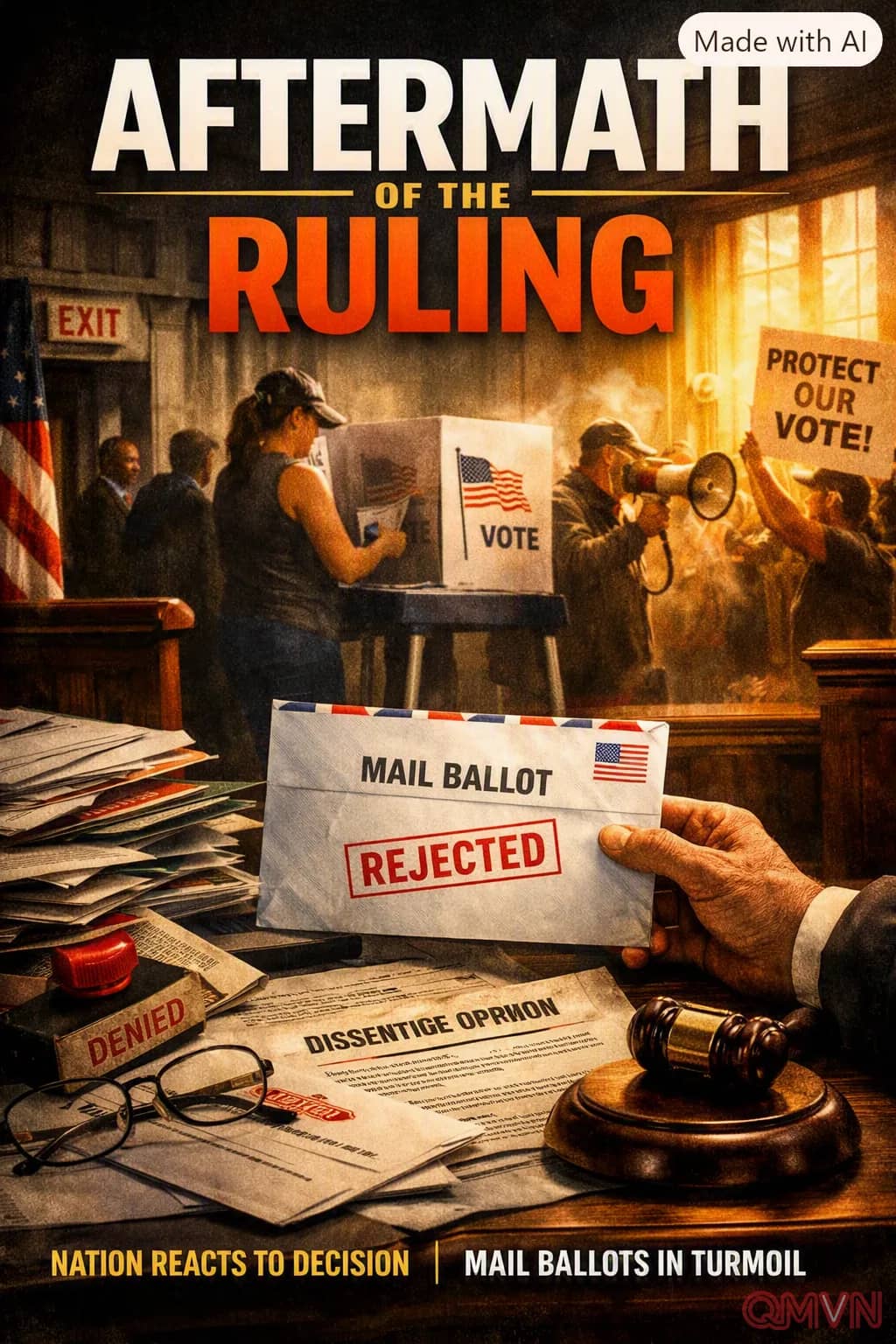
Within hours of Monday night's decision, election officials nationwide rushed to reassure the public. Colorado Secretary of State Jena Griswold, a Democrat, declared that Trump's attempt to sabotage the 2026 elections had failed. On the other side of the political aisle, Utah Lt. Gov. Deidre Henderson, a Republican serving as the state's chief election officer, said Utahns could have confidence that the 2026 election would proceed as normal, adding that the ruling gave voters and election officials the certainty they needed ahead of a major federal election. Similar statements poured in from secretaries of state and election directors of both parties, many of whom said the decision let them shift their focus back to the routine work of printing ballots, staffing polling places and preparing for Election Day rather than fielding anxious calls from confused voters. The rare display of bipartisan agreement underscored how widely shared the concern had been about disrupting the voting system so close to Election Day.
Fears of Chaos Before Election Day
In the months leading up to the ruling, a tangle of lawsuits, rapid-fire decisions and appeals had left election officials uncertain about which rules would ultimately govern the election. A bipartisan coalition of election administrators, former governors and others had jointly warned the court that imposing sweeping changes so close to the election would be chaotic and nearly impossible to execute, especially since many states had already printed ballot envelopes and some had begun mailing them to voters. The USPS rule also required states to upload massive amounts of voter data to an online portal that was not yet operational, a logistical hurdle that election experts said no state could realistically clear in the roughly seven weeks remaining before polls opened. For a country in which about a third of ballots are cast by mail, officials warned, even a brief period of confusion could translate into thousands of votes lost to missed deadlines or rejected envelopes, disproportionately affecting elderly, disabled and overseas military voters who have the fewest alternatives to casting a ballot in person.