ARTICLE
War reaches the market before the map
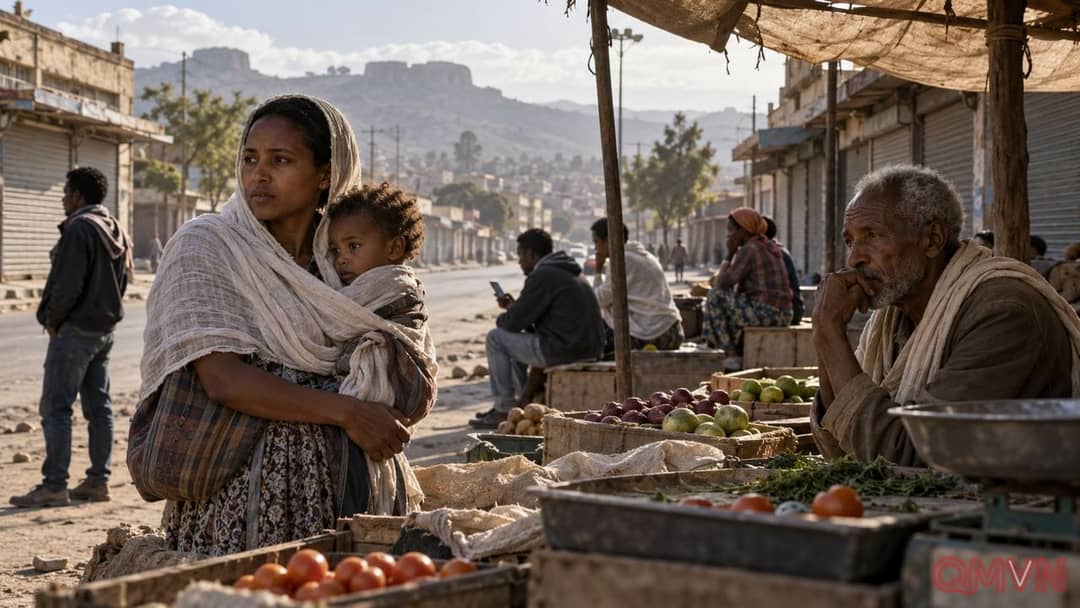
For a family in Mekelle, news of fighting may arrive as a rising food price, a call that will not connect or a payment app that fails when medicine is needed. The BBC describes residents buying supplies and communications being disrupted. With cash machines already unreliable, dependence on digital transactions can turn a network outage into a livelihood emergency. People who reopened shops, resumed school or searched for relatives after the earlier war must again consider where they could take shelter.
The United Nations says fighting has intensified in and around Tigray and spread into nearby areas. It also cited the seizure of airports at Mekelle, Axum and Shire, disrupting civilian travel. The African Union has called for restraint and access to those needing help. Information from a conflict zone is incomplete and can be used by all parties to advance their case. Allegations about who fired first or what a strike hit need clear attribution and further verification. The immediate, observable concern is the safety of those who are not fighting.
The Pretoria agreement has unfinished chapters
The African Union-brokered agreement in November 2022 ended most large-scale fighting, but a signature could not settle competing claims to power and land. Western Tigray is a central obstacle. Displaced Tigrayans want to return; Amhara groups and communities assert a historic claim to the area.