Affordability Pressures and Divergent Fiscal Prescriptions
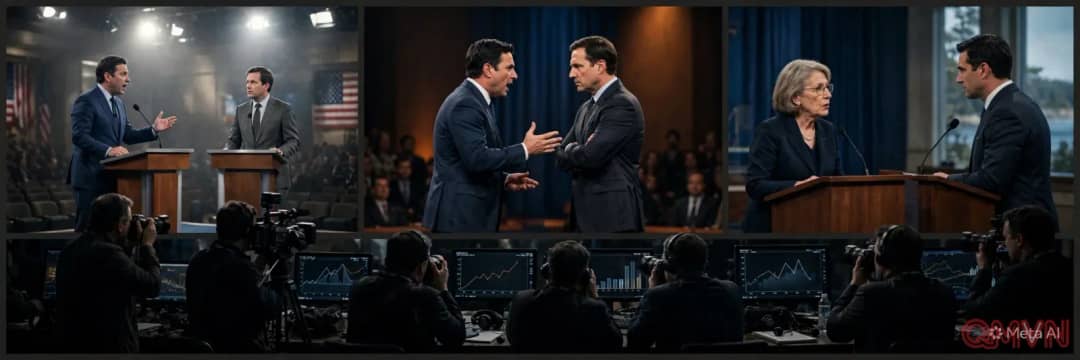
Across all three battleground stages, voter anxiety regarding escalating grocery prices, gasoline costs, housing affordability, and healthcare expenses formed the central axis of debate. In Michigan, Democratic nominee Abdul El-Sayed aggressively challenged Republican rival Mike Rogers over his alignment with sweeping federal tariffs, arguing that heightened protectionism combined with prolonged military conflict in Iran had drastically increased localized fuel burdens while Rogers amassed significant personal wealth in public office.
In Georgia, incumbent Democratic Senator Jon Ossoff repeatedly demanded that Republican Representative Mike Collins account for his support of blanket global tariffs that Ossoff argued had devastated local family budgets. Collins countered by attributing persistent inflation to federal spending measures championed by the prior administration and Ossoff himself. Meanwhile in Maine, challenger Troy Jackson zeroed in on soaring home heating oil costs, while incumbent Senator Susan Collins pointed to the $50 billion rural health transformation fund as tangible legislative relief.
*"Can you afford your gas? Can you afford your groceries under this guy who is going to rubber stamp everything Donald Trump tells him to rubber stamp?" - Abdul El-Sayed*