Main story
A change from sole exporter to processing gateway
When Jakarta unveiled its proposal in May, officials described a designated state-owned company as the sole exporter of three strategic commodity groups. The stated goals were to counter under-invoicing, transfer pricing and the diversion of export proceeds. Businesses feared that an intermediary with authority over both information and transactions might alter their pricing freedom, slow contract execution and obtain valuable knowledge of customers, volumes and negotiating positions.
The administration has since clarified its approach. Trade Minister Budi Santoso said in November that companies would continue to negotiate and transact directly with overseas buyers. PT Danantara Sumberdaya Indonesia, or DSI, is to manage the export clearance processing system after exporters obtain their approvals. The difference between an administrative gateway and an exclusive commercial seller is decisive: it determines who sets prices, chooses counterparties and remains accountable for delivery obligations.
Why the government wants a complete data trail
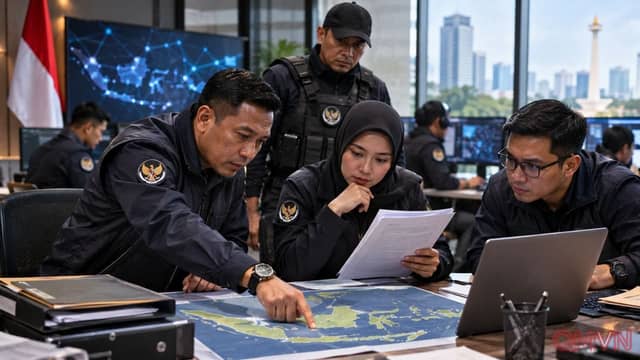
Officials argue that fragmented export reporting makes it harder to reconcile physical shipments, declared prices and foreign-exchange receipts. In an August address, Prabowo said DSI had monitored more than 6,000 transactions involving approximately US$14 billion in export proceeds within its first months. His government presents centralized tracking as a way to flag discrepancies, improve collection of public revenues and extend oversight across ports and provinces.