MAIN ARTICLE
Estonia and the vulnerability of defense industry
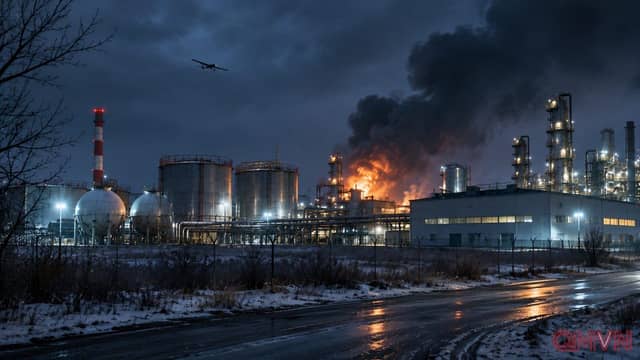
Estonia says it will close all border crossings with Russia on December 1 following an attempted attack on Threod Systems in Viimsi, near Tallinn, on November 14. Estonian officials accuse Russia’s GRU military intelligence agency of directing a plot to cause a fire and explosion. Reuters and Estonian broadcaster ERR reported that eight Latvian nationals were detained. The accusation is attributed to Estonian authorities and should not be confused with a final judicial finding.
The case illustrates why facilities far from a battlefield can become central to a war. A manufacturer of drones may be viewed as a strategic target, while civilian border crossings become instruments of risk management. Closure, however, can impose real costs on lawful travelers, commercial links and families living across national boundaries.
Tallinn’s response is intended as a deterrent. Its long-term legitimacy will also depend on clear evidence, proportionality and practical arrangements for humanitarian exceptions. Strong measures are more sustainable when officials explain precisely what they are designed to prevent.
The Black Sea becomes a danger to merchant crews
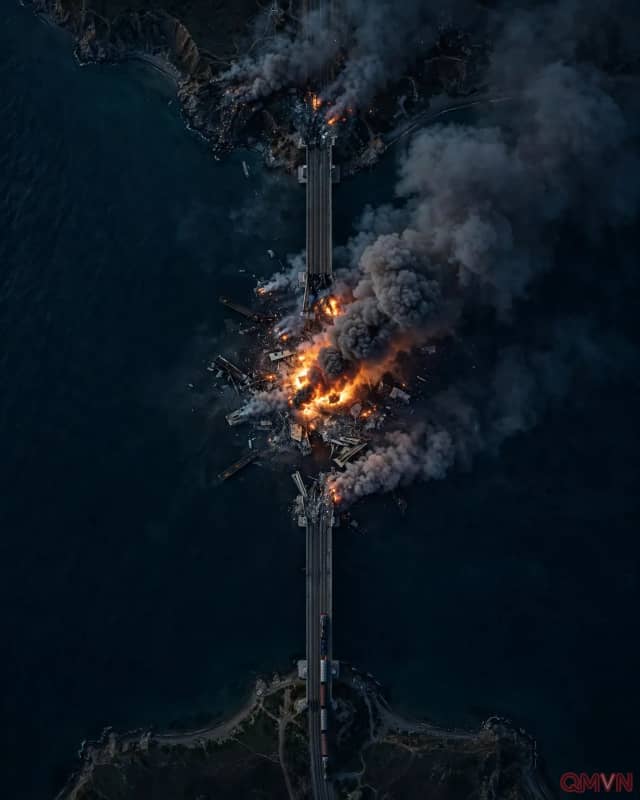
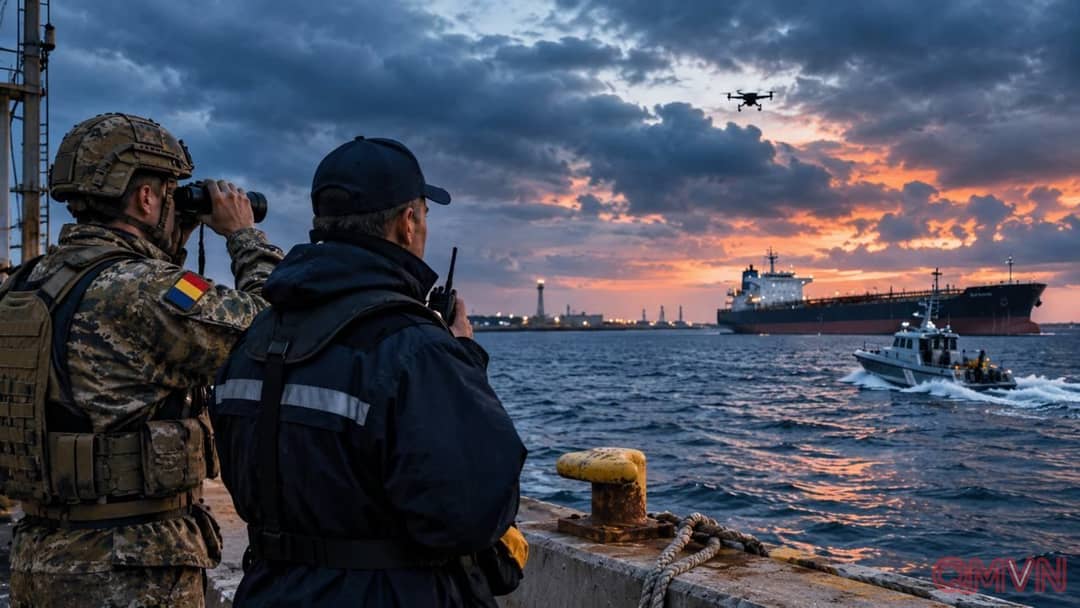
Farther south, Romania said three commercial ships were struck by drones near the Sulina canal, a major access route between the Black Sea and the Danube. Reuters reported on November 15 that Romanian fighter jets were scrambled twice.
Crews controlled fires and no casualties were reported in those incidents. The origin of the individual drones was not publicly established in the account.
When merchant vessels are hit, a war’s costs move into civilian commerce. Seafarers, insurers, cargo owners and port communities all face greater risk, even when ships sail under the flags of countries not taking part in the fighting. Securing a maritime route is therefore about livelihoods and human safety as much as military posture.
A later development underlined the concern. On November 18, Reuters reported that a liquefied petroleum gas tanker sank off Bulgaria after being struck by projectiles, amid a growing series of attacks on shipping. That is an update beyond the November 16 roundup, not an event contained in the original summary.
Ukraine diplomacy tests the meaning of security guarantees
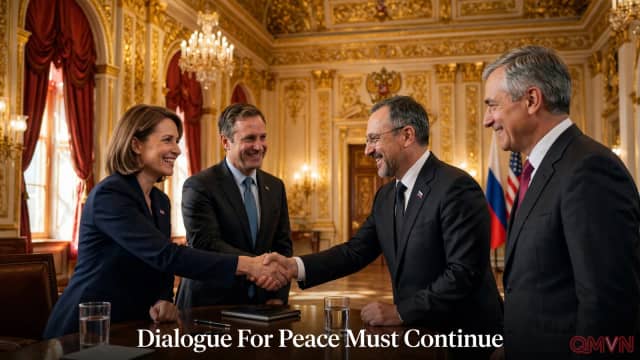
Against this backdrop, Ukrainian President Volodymyr Zelenskyy said U.S. negotiators had raised a possible withdrawal from the Donbas region in exchange for NATO membership. Reuters described this as an idea floated in talks, not an agreed peace settlement. The distinction matters because proposals can help explore options without becoming commitments.
Trading territorial control for a promised security guarantee is fraught with moral and practical questions. For Kyiv, sovereignty, the safety of residents and the credibility of international commitments are inseparable. For its partners, any arrangement that cannot be verified or enforced may simply postpone the next confrontation.
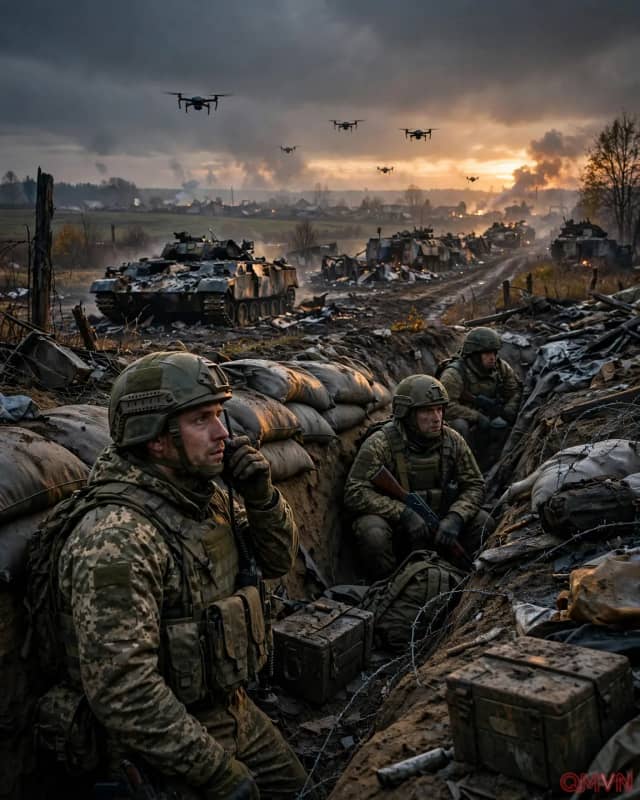
Events outside Ukraine’s front line intensify those dilemmas. Threats to ships and defense plants highlight the need for credible monitoring, clear accountability and guarantees that extend beyond a revised line on a map. An armistice and lasting security are not necessarily the same thing.
Different regions, a shared challenge of resilience
In the Middle East, Reuters reported that Yemen’s Houthi movement claimed missile launches toward targets in Riyadh, while a Saudi-led coalition said it intercepted missiles and drones. Elsewhere in Yemen, Saudi-backed anti-Houthi forces withdrew from positions to reinforce Aden, amid reported attacks involving Iran and Bahrain. Operational claims from opposing parties require independent corroboration.
The Baltic, the Black Sea and the Gulf are not one conflict, and each has distinct causes. They do, however, share a difficult pattern: relatively adaptable means of attack can place expensive defenses and civilian infrastructure under sustained pressure. Governments must balance deterrence against the protection of trade, public services and diplomatic channels.
Resilience requires credible investigations, practical border and maritime cooperation, protection for workers and seafarers, and restraint in treating allegations as settled facts. Careful verification does not weaken a security response. It helps prevent an urgent response from becoming another source of instability.