MAIN CONTENT
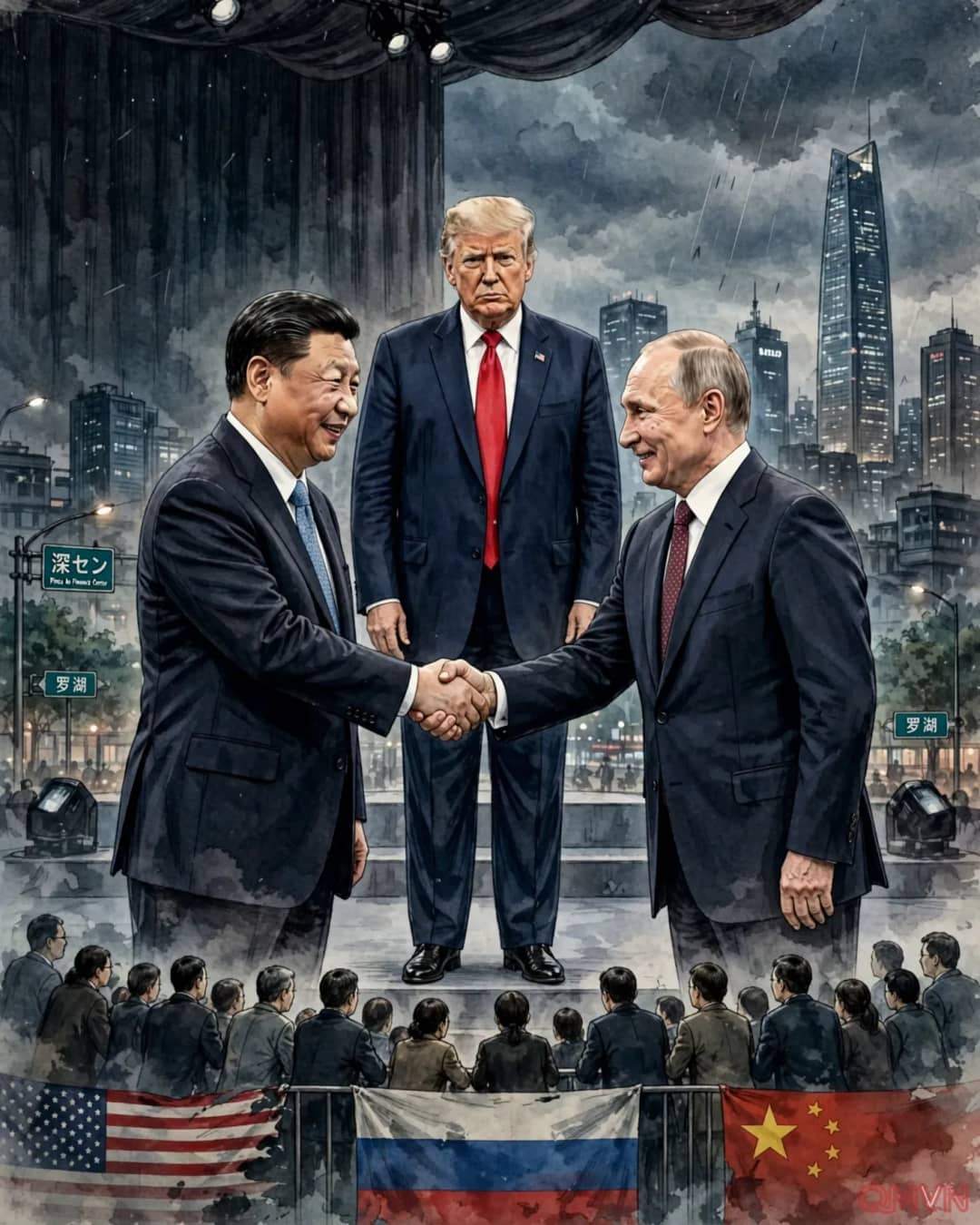
A handshake is not an alliance
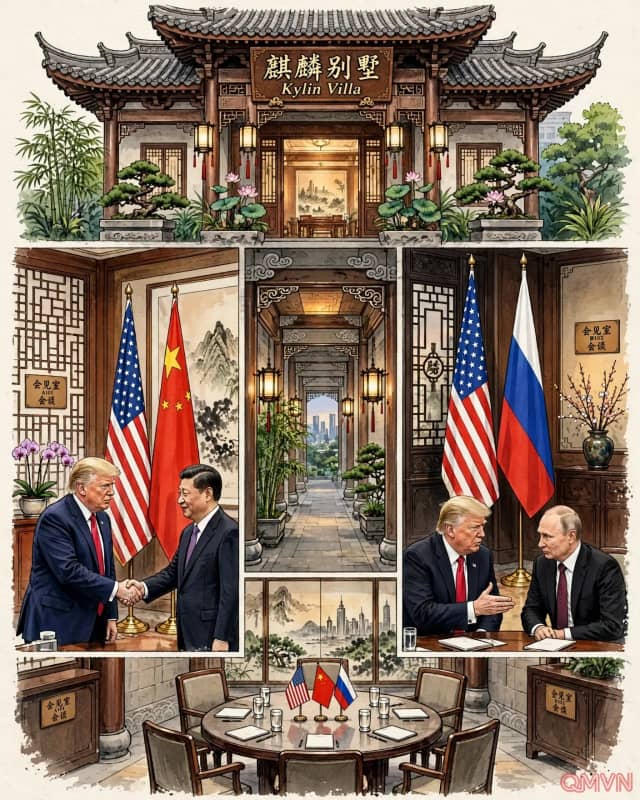
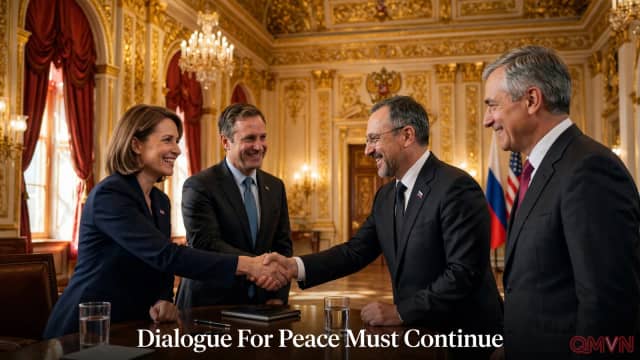
The welcome extended to Trump in Shenzhen shows how personal gestures become geopolitical messages. When the American president calls Putin a friend and speaks warmly of his relationship with Xi, the language attracts nearly as much attention as the formal agenda. Yet the United States, Russia and China continue to disagree profoundly about European security, technology, trade and the balance of power in Asia.
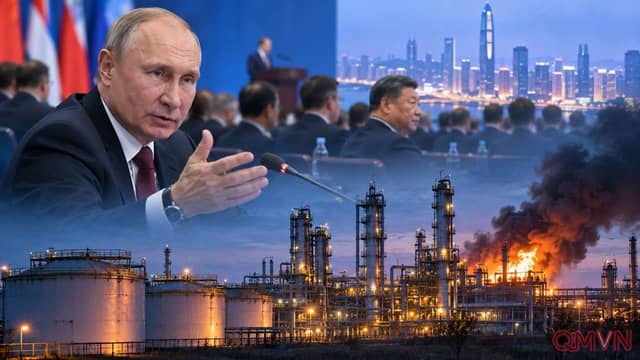
Moscow wants relief from pressure and leverage in the war in Ukraine. Beijing seeks greater predictability in relations with Washington without abandoning its long-term strategic ambitions. The United States must reconcile crisis management with the protection of its own interests and credibility. A cordial encounter on camera, therefore, is not evidence that these objectives have converged.
Why direct engagement still matters
There is a serious strategic case for leaders of rival nations to talk directly. Confrontations involving nuclear weapons, Taiwan, the South China Sea or Ukraine could intensify if governments misread one another’s intentions.