MAIN ARTICLE
When the cold chain becomes a target
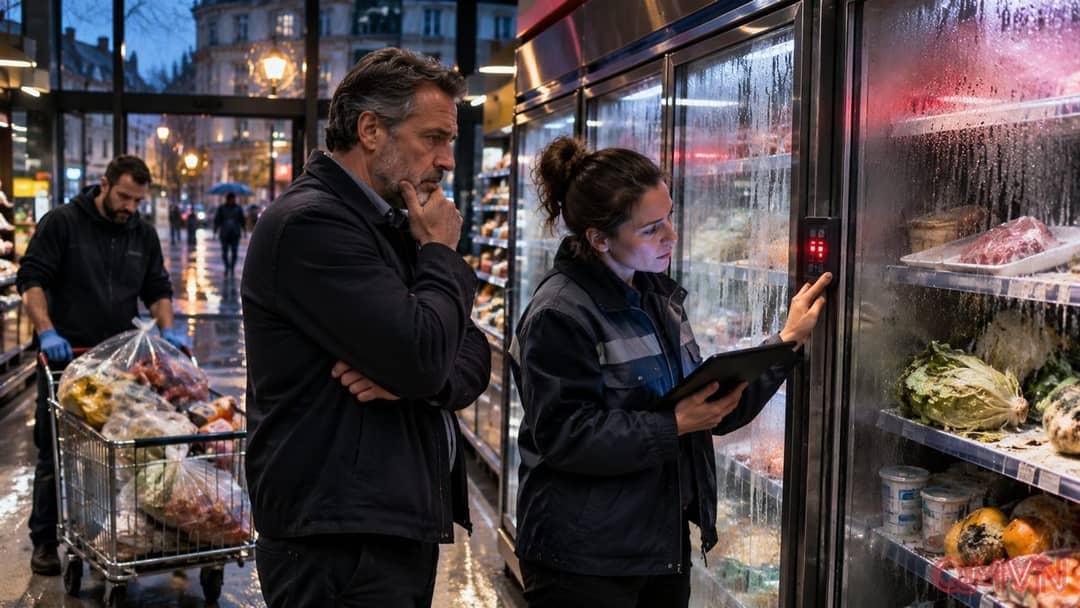
In early November 2026, retailers across at least eight or nine European countries reported abnormal refrigeration temperatures. Some units were reportedly switched into defrost mode or given extraordinarily high temperature settings. Staff cleared shelves, inspected stock and sought technical help to prevent further losses.
Chains including Carrefour, Delhaize, ICA and Coop experienced problems, according to reporting by Reuters, AP and European news organisations. The cost went beyond discarded groceries: stores had to interrupt sales, summon engineers and establish that products were safe before restoring normal service.
A similar episode had hit stores in France and the Netherlands roughly three weeks earlier. The recurrence across borders points to an infrastructure problem larger than any one shop, involving widely deployed controllers, software and remote-access arrangements.
Claims of responsibility are not proof
NoName057(16) and Z-Pentest Alliance, groups commonly described as pro-Russian, posted claims of responsibility on Telegram before the messages disappeared. Those statements offer leads for investigators, not independent proof that either group controlled every affected refrigerator.