MAIN CONTENT
A damaged basin at the center of an urgent dispute
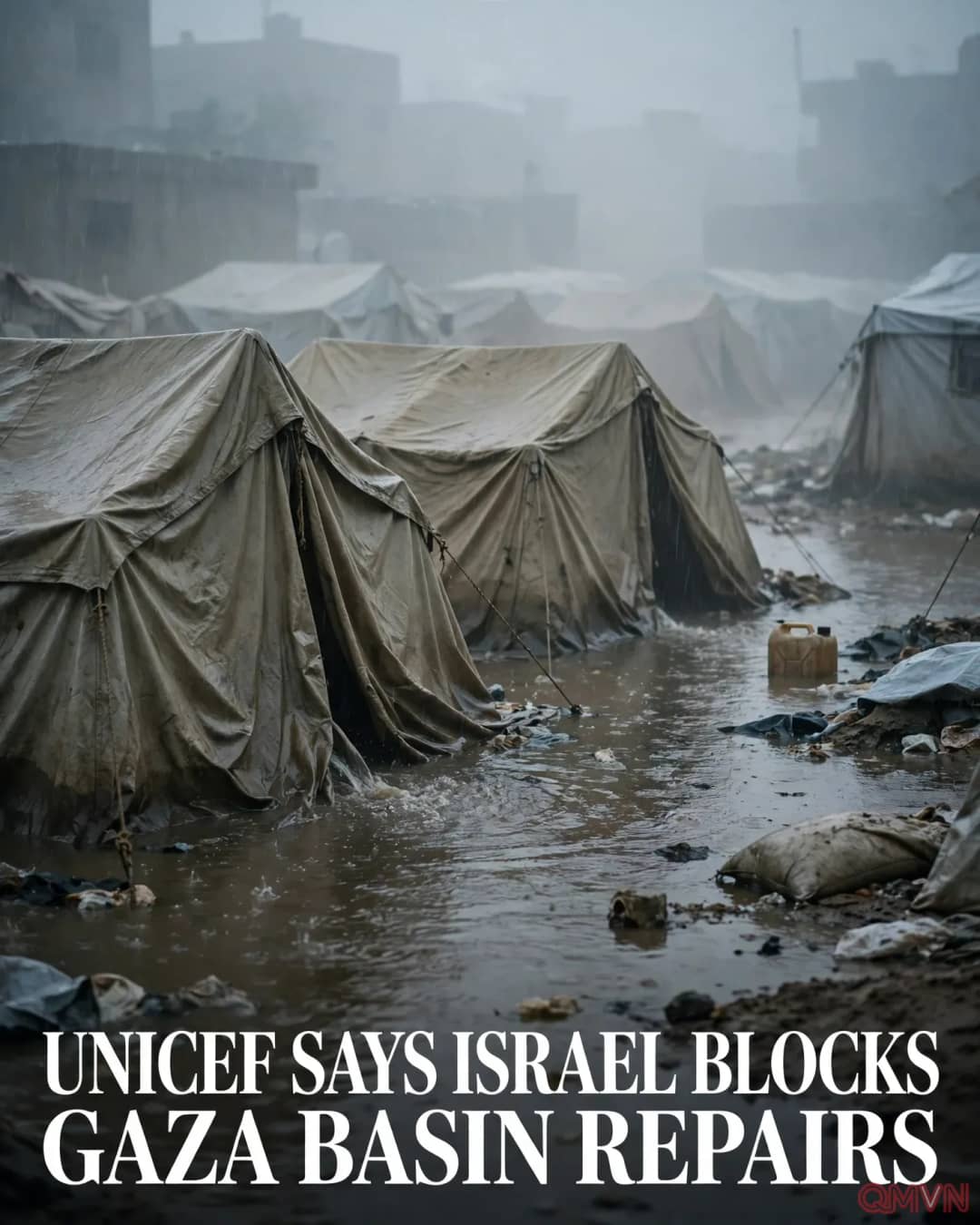
The Sheikh Radwan basin was designed to collect stormwater, not to become a reservoir of contaminated sewage. UNICEF says only two of its six pumps are operating. When rainfall exceeds drainage capacity, dirty water can spread into nearby streets and crowded shelters, bringing polluted water into direct contact with families who lack safe alternatives. UNICEF spokesperson James Elder said the agency had spent about a year discussing the repair plan with Israeli authorities and the US-backed Board of Peace before receiving the refusal.
The reported decision concerns the entry of equipment for rehabilitation, not simply an accounting dispute. According to Elder, COGAT cited security grounds, reflecting Israeli restrictions on materials that might have both civilian and military applications. The precise technical basis for this particular refusal has not been publicly detailed in the Reuters account, and COGAT had not immediately replied to its request for comment. That distinction matters: UNICEF's account establishes the warning and the reported refusal, while Israel's full rationale remains unavailable in the cited reporting.