MAIN ARTICLE
A great-power spectacle and quieter negotiations
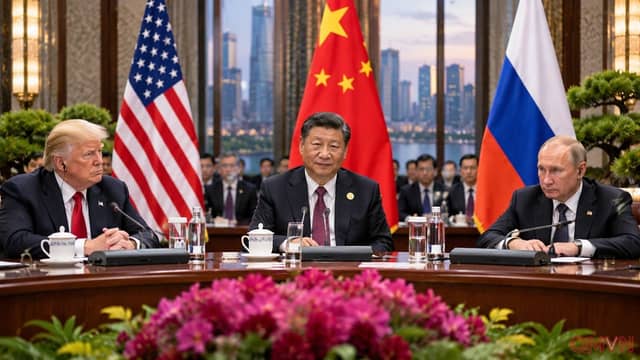
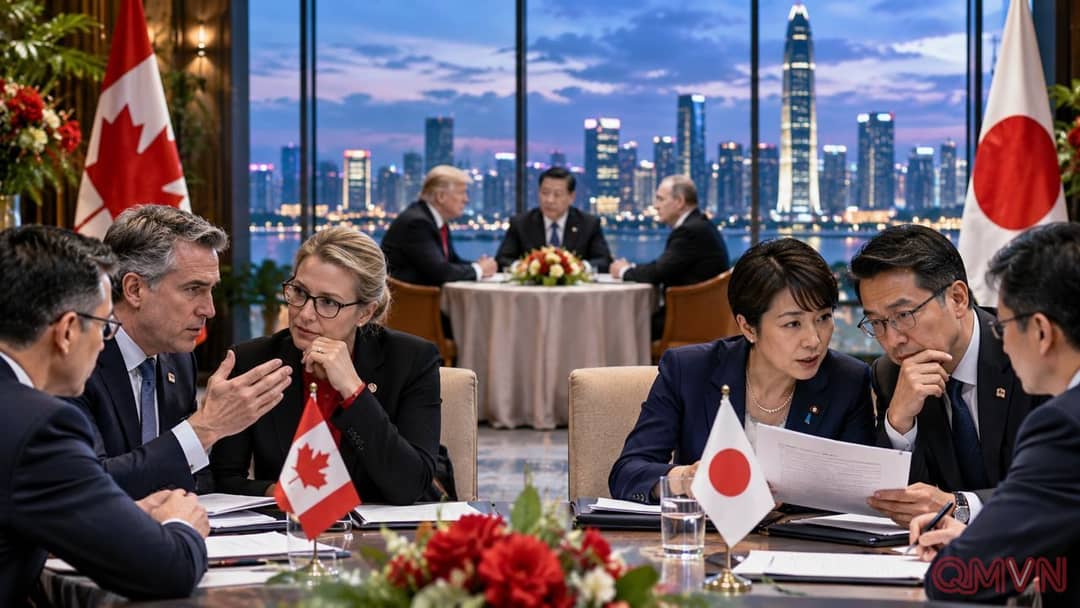
In Shenzhen, the image of Trump, Xi Jinping and Putin seated together became the defining scene of the Asia-Pacific Economic Cooperation summit. Trump likened the encounter to the 1945 Yalta conference. Yet Associated Press reporting suggested that the meeting yielded no major policy breakthrough. Its immediate weight was chiefly symbolic: leaders of three principal nuclear powers engaging in a single conversation.
Such images can obscure smaller negotiations with a more immediate effect on businesses and households. During the same week, Canada and Japan pursued talks covering tariffs, supplies and investment. Neither was trying simply to replace the United States or China. Instead, both were asking how to avoid having their economic futures determined entirely by decisions made in a single capital.
Canada widens its options, including in Beijing
Prime Minister Mark Carney used APEC to advance a diversification strategy. Having concluded free-trade negotiations with the Philippines, Ottawa moved closer to a wider economic arrangement with ASEAN.