The first two “Vipers” reach Taitung
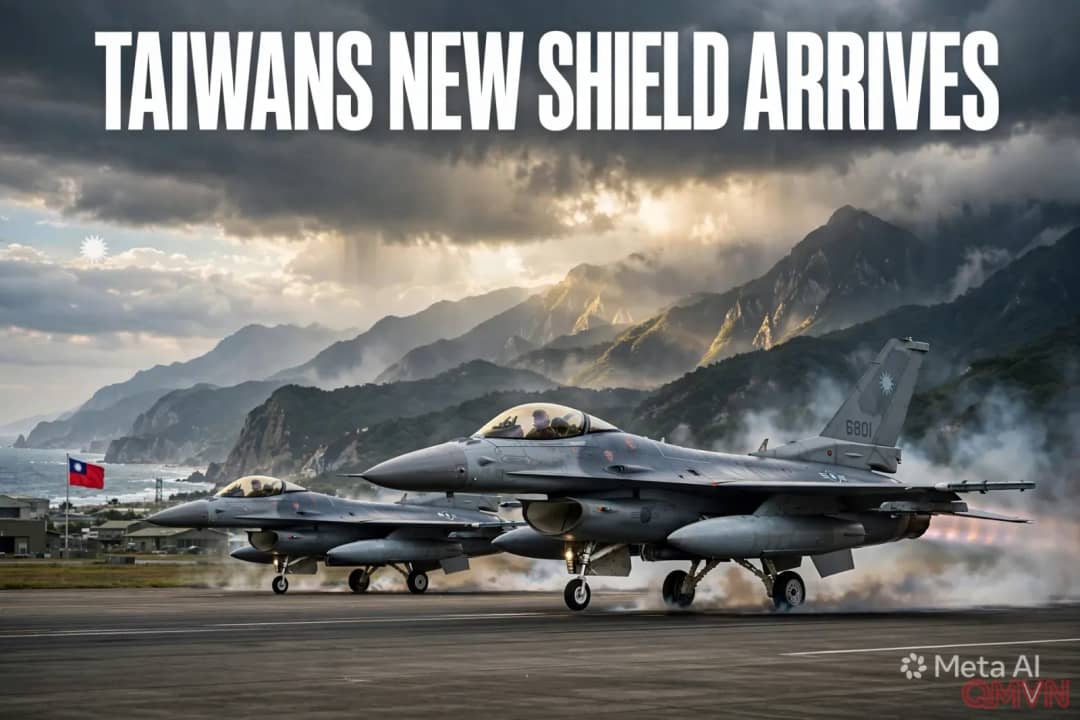
At noon on Friday, October 2, two F-16V Block 70 jets bearing the serial numbers 6727 and 6728 touched down at Chihhang Air Base, where the mountains of eastern Taiwan meet the Pacific. According to Taiwan's Central News Agency, the aircraft left the United States on August 17 and flew via Hawaii and Guam, but were held in Hawaii for weeks by weather and other factors, leaving the handover about a month later than expected.
Speaking at parliament in Taipei shortly before the landing, Defence Minister Wellington Koo said more new F-16Vs would arrive soon and that the number delivered by year-end would certainly not stop at two, though he gave no details.
The power of the Block 70 generation
The F-16V Block 70 is the newest F-16 ever built. Compared with the 1990s-era F-16A/Bs that form the backbone of Taiwan's air force, it represents a leap in combat capability.
All 66 new aircraft will join the Seventh Tactical Fighter Wing to strengthen air defence in the island's east. The programme, known as “Peace Phoenix Soaring”, carries a total cost of NT$247.2 billion, or about US$8 billion.
Key features of the Block 70 include:
- The AN/APG-83 active electronically scanned array radar for long-range detection and tracking.
- A powerful F110-GE-129 engine and an airframe with a longer service life.
- Conformal fuel tanks for extra range, plus the Link 16 data-link system.
According to Reuters, this equipment helps Taiwan better counter the Chinese air force, including its stealthy J-20 fighters, although Washington remains unwilling to supply its most advanced jets such as the F-22 or F-35. Once all 66 arrive, Taiwan's F-16 fleet will exceed 200 aircraft.
An unchanging threat from Beijing
Beijing claims democratically governed Taiwan as its own territory. Taiwan's air force scrambles almost every day to monitor Chinese aircraft and warships operating around the island.
China's intention to annex Taiwan by force has never changed.
China has repeatedly told the United States to stop arming Taiwan. The Chinese foreign ministry did not respond to a request for comment on the jets' arrival, while Chinese state media had earlier sought to play down the delivery, arguing that a few fighters cannot shift the cross-Strait balance.
According to people familiar with Washington's thinking, US officials increasingly believe a Chinese invasion of Taiwan before 2028 is unlikely. Taiwan holds its next presidential election in early 2028.
A delayed journey and questions over Washington's commitment
Under the original plan, deliveries were to begin in 2023 and finish in 2026. But the relocation and restart of the production line in Greenville, South Carolina, together with supply-chain disruptions and software integration problems, pushed the schedule back. Lockheed Martin now aims to deliver the remaining aircraft by 2028.
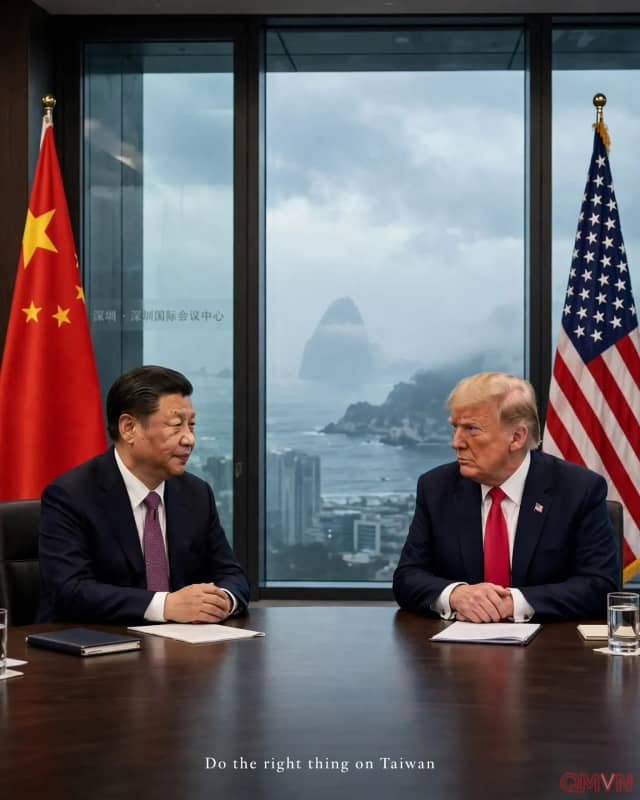
The delays are all the more sensitive given the political backdrop. In May, after meeting Xi in Beijing, Trump said he was holding a new $14 billion arms package for Taiwan in abeyance, although he had approved an $11 billion package in December 2025. Washington says its policy has not changed, and a State Department spokesperson stressed that the United States continues to stand with friends and allies across the Indo-Pacific, including Taiwan.