The Path To Approval: From Design To A Decisive November
The approval process has moved through several stages this year. The U.S. Commission of Fine Arts, which reviews the design and aesthetics of construction in Washington, gave final approval to the design in May. In July, the National Capital Planning Commission voted for preliminary approval of the site and building plans, though it asked for some changes before signing off completely. The vote was 8 to 1, with the panel including three Trump appointees. The lone dissenting vote came from Evan Cash, who represents the D.C. Council on the commission and said he was unwilling to support a plan that could unravel decades of the panel's practice on building height limits in the city. The commission also deferred a decision on whether the arch could bypass a century-old federal law capping building heights in Washington at 130 feet. The Federal Aviation Administration's public comment period on how the structure might affect the area's already congested airspace closed recently, and the agency says it is still studying the potential impact. Officials have said they intend to work through the FAA's remaining questions before the November filing, rather than delay the timeline further.
The Scale And Ambition Behind The Project
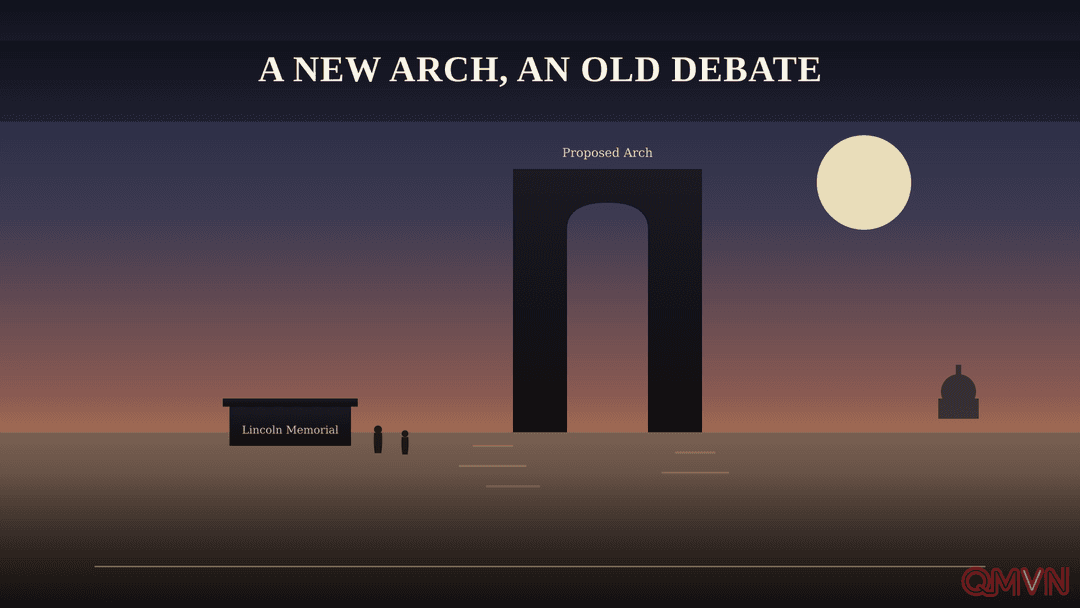
In terms of scale, the arch is designed to stand 250 feet tall, more than double the Lincoln Memorial's 99 feet. Officials say the total cost is estimated at around 100 million dollars, and a White House official has said the funding will likely come from a mix of public and private money. Trump himself has told reporters he wants the structure to be the biggest arch of its kind anywhere in the world, saying the United States is the most powerful nation and should have a monument to match.