Summers without the smokehouse
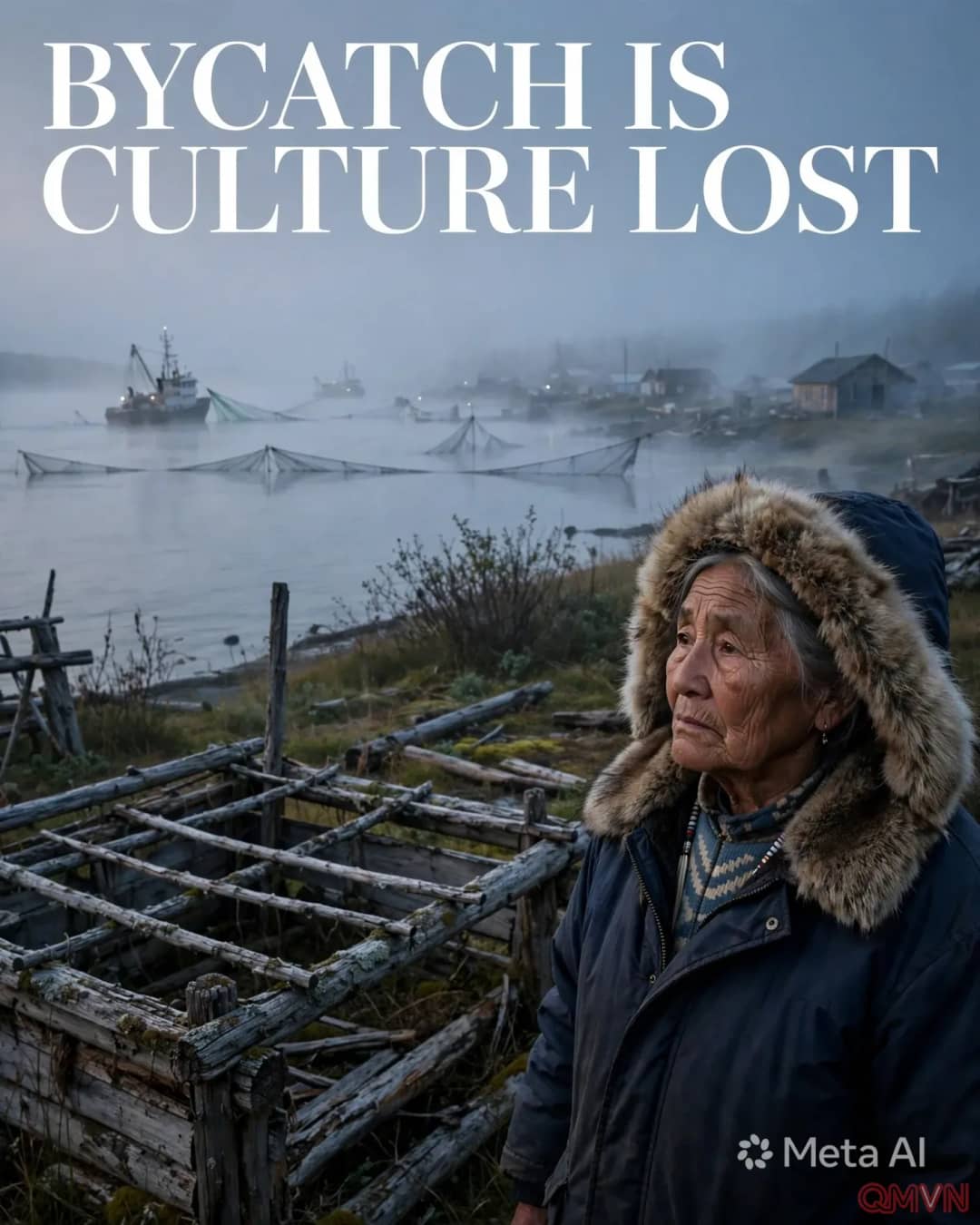
In Rampart, a Koyukon village on the Yukon, Janet Woods told the Associated Press that before the ban her family's summers revolved around checking nets, cutting fish and tending the smokehouse. For her, losing salmon means losing another part of a culture, after language and ceremonies, and her community has long had to fight just to hold on to the little that remains.
The seven-year ban on Chinook fishing on the Yukon was introduced to give the run a chance to recover. But for the villages along the river, it means seven summers without their main source of food and without the occasion to pass skills on to their children.
*“The people that bear the brunt of the conservation measures are people along the river.” — Andrew Seitz*
What the science says
Andrew Seitz is a professor of fisheries at the University of Alaska Fairbanks. According to scientists cited by the Associated Press, the main causes of the decline are warming waters and changing ocean conditions, not accidental catches by trawlers.