MAIN CONTENT
Economic attrition replaces another bombing campaign
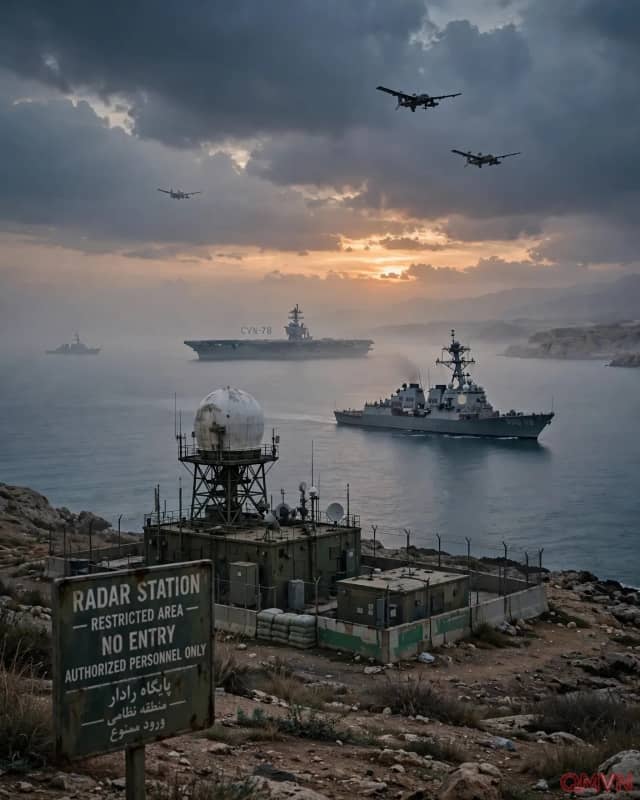
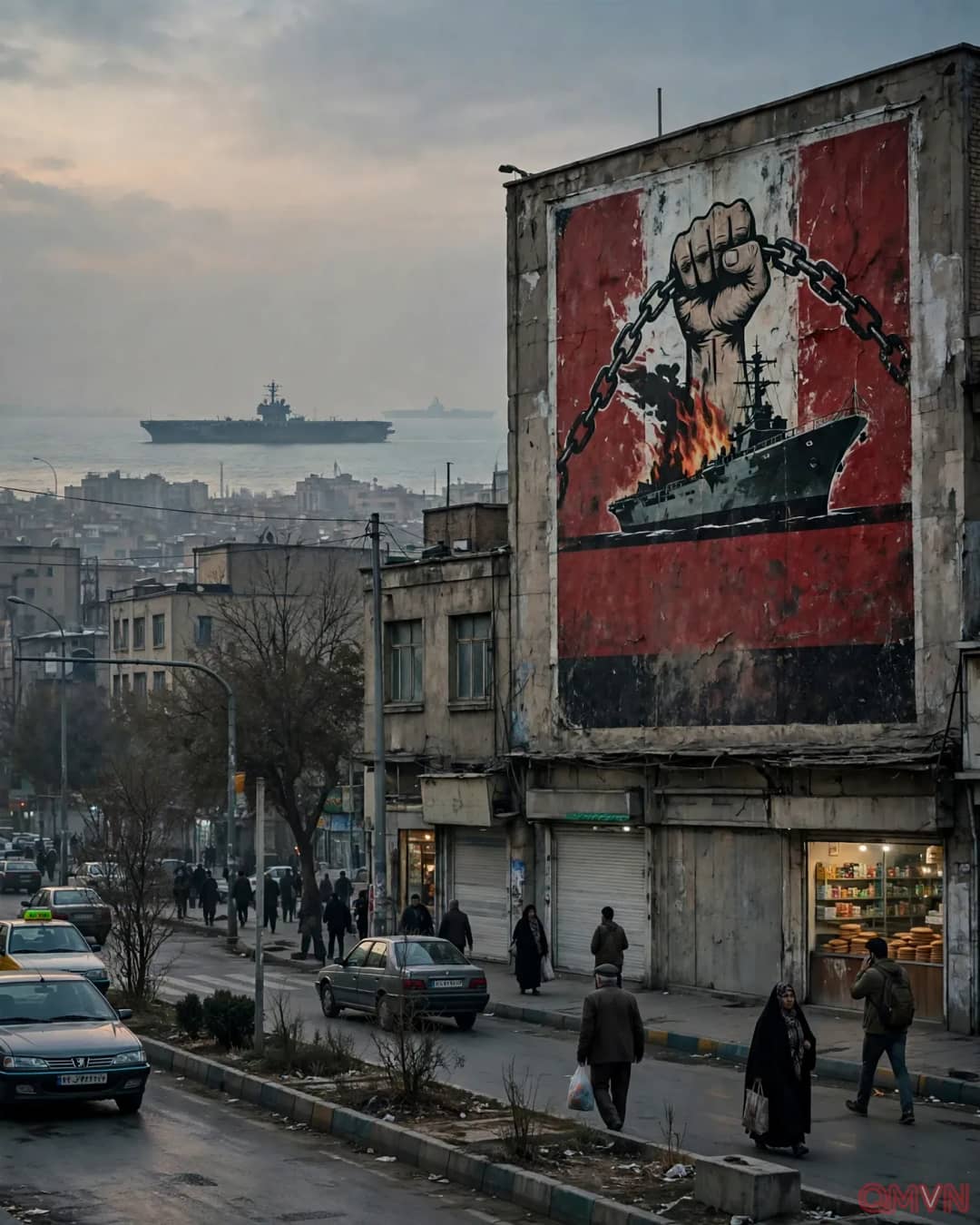
Reuters reported on November 17 that Trump has favored a naval blockade and economic sanctions over renewed large-scale airstrikes. The strategy seeks to constrain Tehran’s revenues while avoiding retaliation against energy infrastructure in neighboring Gulf states. Yet pressure alone does not produce a negotiated settlement. A leadership under siege may regard an immediate concession as proof that coercion works, making compromise harder rather than easier.
Domestic politics shape both sides’ calculations. Following U.S. midterm electoral setbacks, Iranian leaders perceive Washington as having less political room for escalation. The White House, meanwhile, believes economic distress will force Tehran to reconsider. Each assumption risks underestimating the opponent’s willingness to absorb costs, and neither provides a reliable timetable for ending the crisis.
The sequencing problem: who moves first?
According to diplomats and regional sources cited by Reuters, Iran wants restrictions lifted, oil sales restored and frozen assets released before substantive nuclear negotiations begin. Washington is demanding reciprocal, simultaneous and verifiable commitments, including nuclear measures from the outset. What sounds like an argument over scheduling is actually a dispute over trust and leverage: neither side wants to surrender its strongest bargaining instrument first.