MAIN ARTICLE
From a Dublin news conference to a test in Moscow
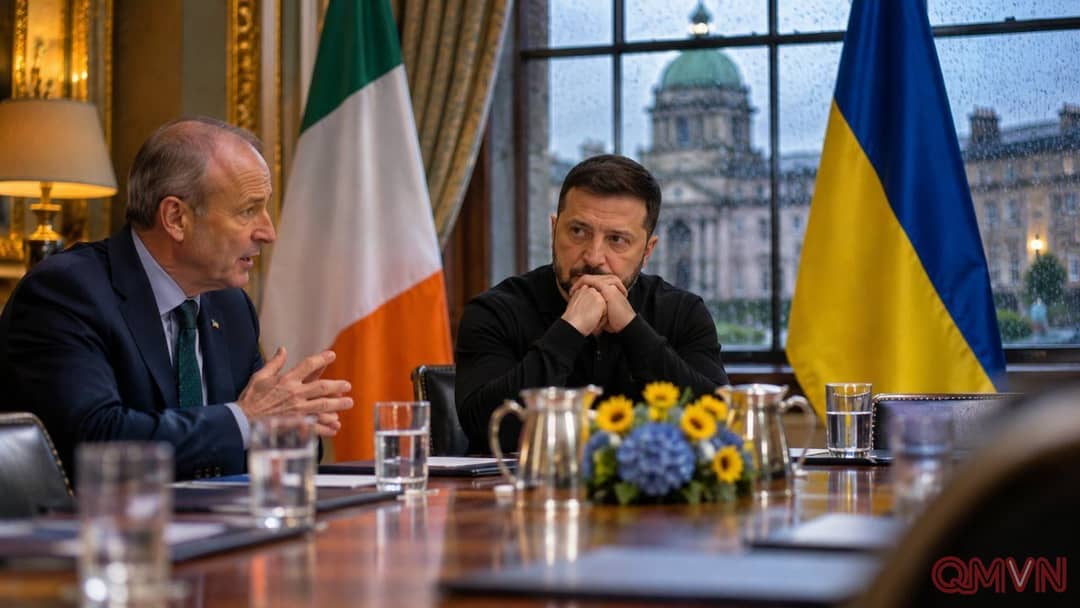
Appearing alongside Irish Prime Minister Micheál Martin on November 11, Zelenskyy said Ukrainians were still living through severe attacks while hoping for results this year. He gave particular weight to the forthcoming dialogue between American representatives and Russia. His assessment recognized a difficult diplomatic reality: when the warring parties remain far apart, the leverage and sequencing deployed by a mediator may shape both the pace and the substance of a settlement.
Under the schedule announced after Abu Dhabi, Witkoff and Kushner were expected to visit Moscow on November 12 to speak with Putin, then fly to Dublin to meet Zelenskyy. Such travel reflects shuttle diplomacy: testing each side's position, searching for limited overlap and asking whether preliminary concessions can be made precise. A sequence of meetings, however, is not itself evidence that a peace agreement is imminent. Outcomes will depend on what is discussed and, ultimately, accepted.
A meaningful prisoner agreement, not yet a peace deal
The clearest result of the two-day talks was an agreement in principle to arrange a major prisoner-of-war exchange. The participants had not finalized the number of detainees or the operational details at the time of the announcement.