MAIN ARTICLE
A thirsty landscape ahead of winter sowing
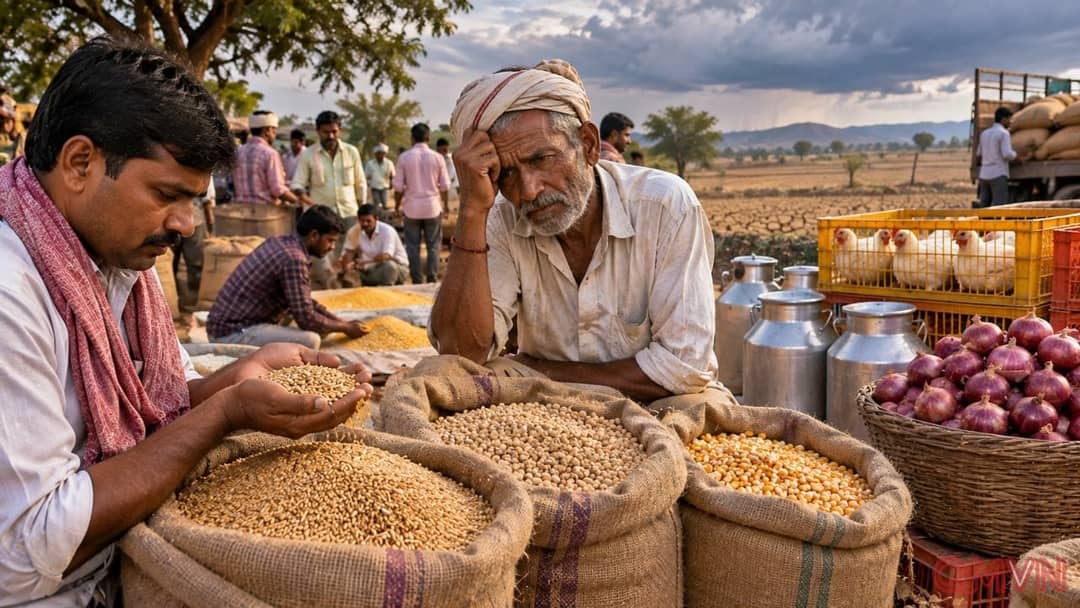
In Rajewadi, roughly 400 kilometres east of Mumbai, 78-year-old farmer Amarsingh Gushinge hopes to sow wheat and chickpeas while prices are attractive. The trouble is that his fields lack moisture and his finances have been depleted. The surrounding Jalna district has received about 48% less rainfall than normal this year, according to local meteorological data cited by Reuters. His predicament echoes across rain-dependent farming communities in western and southern India.
Winter crops, collectively known as rabi crops, rely on sufficient soil moisture and accessible irrigation when planting starts. An unreliable summer monsoon does not simply reduce the previous harvest; it complicates decisions about buying seed, fertilizer and labour for the next one. Farmers who fear poor germination may postpone sowing or reduce acreage, potentially constraining supplies months later. A higher market price offers little comfort when growers cannot produce enough to sell.
India's Ministry of Earth Sciences had previously published forecasts for a below-normal 2026 southwest monsoon and warned that El Niño could reinforce prolonged dry spells. Conditions also differ sharply between districts: brief heavy downpours can inflate local rainfall totals without delivering dependable agricultural water. For farmers, the question is not merely how much rain falls over a season, but whether enough arrives where and when crops require it.