MAIN CONTENT
A record emergency measured in lives
According to Reuters, more than 11,000 infections and 5,500 deaths had been reported since the outbreak was declared on May 15. The European Centre for Disease Prevention and Control recorded 11,376 confirmed infections and 5,568 associated deaths through November 14. These are reported totals rather than a complete measure of every infection; restricted access and delayed detection can obscure the full picture.
The epidemic is now Congo’s seventeenth recorded Ebola outbreak. Its 2018–2020 crisis reached 3,481 cases and 2,299 deaths, a staggering toll at the time. For perspective, the 2014–2016 West African epidemic recorded more than 28,600 cases and 11,000 deaths across the region, according to the World Health Organization. Comparing early phases is useful, but differences in surveillance and reporting demand caution.
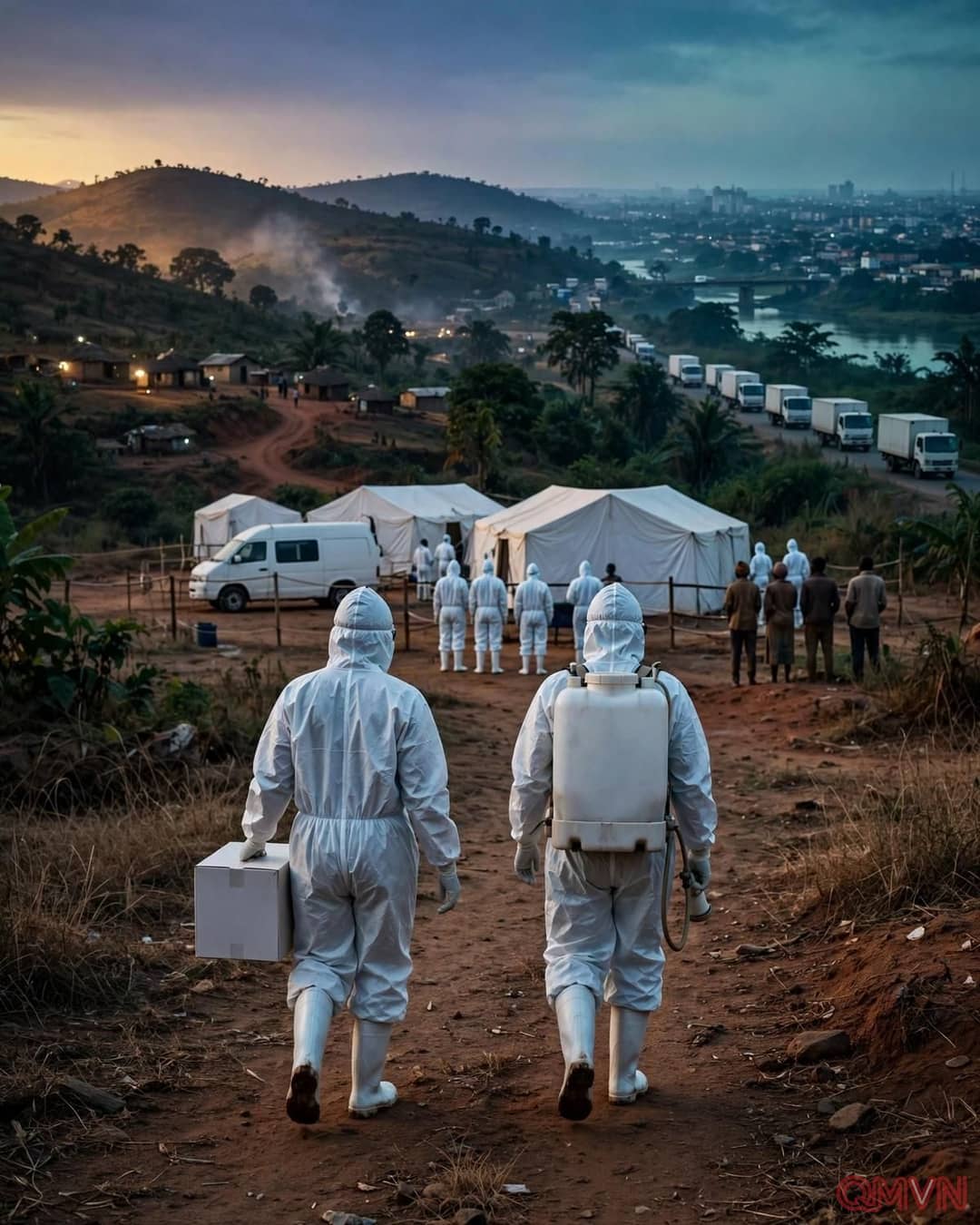
The Bundibugyo virus is distinct from the Zaire ebolavirus responsible for several previous epidemics. Ebola can spread through direct contact with infected bodily fluids, including during caregiving and funerals; it does not spread through ordinary casual contact with someone who has no symptoms. Early identification, safe care and dignified infection prevention remain crucial.