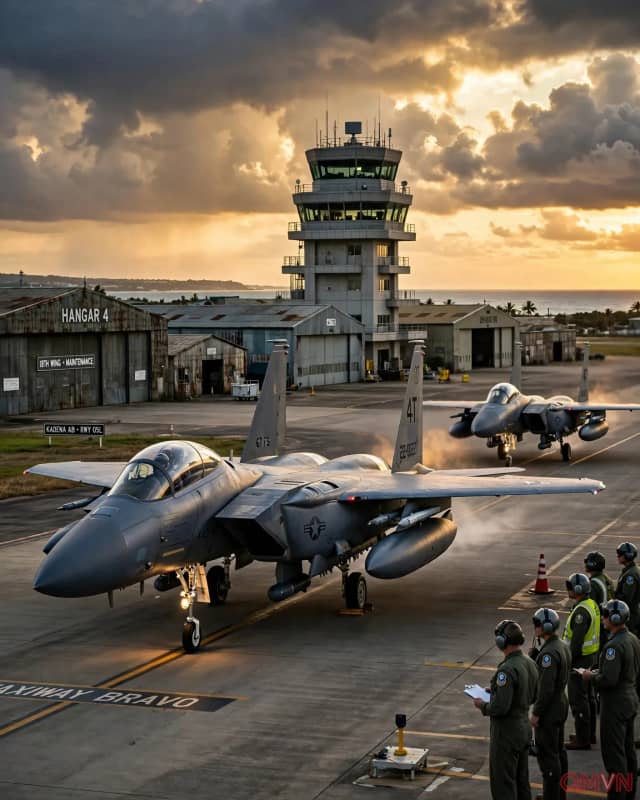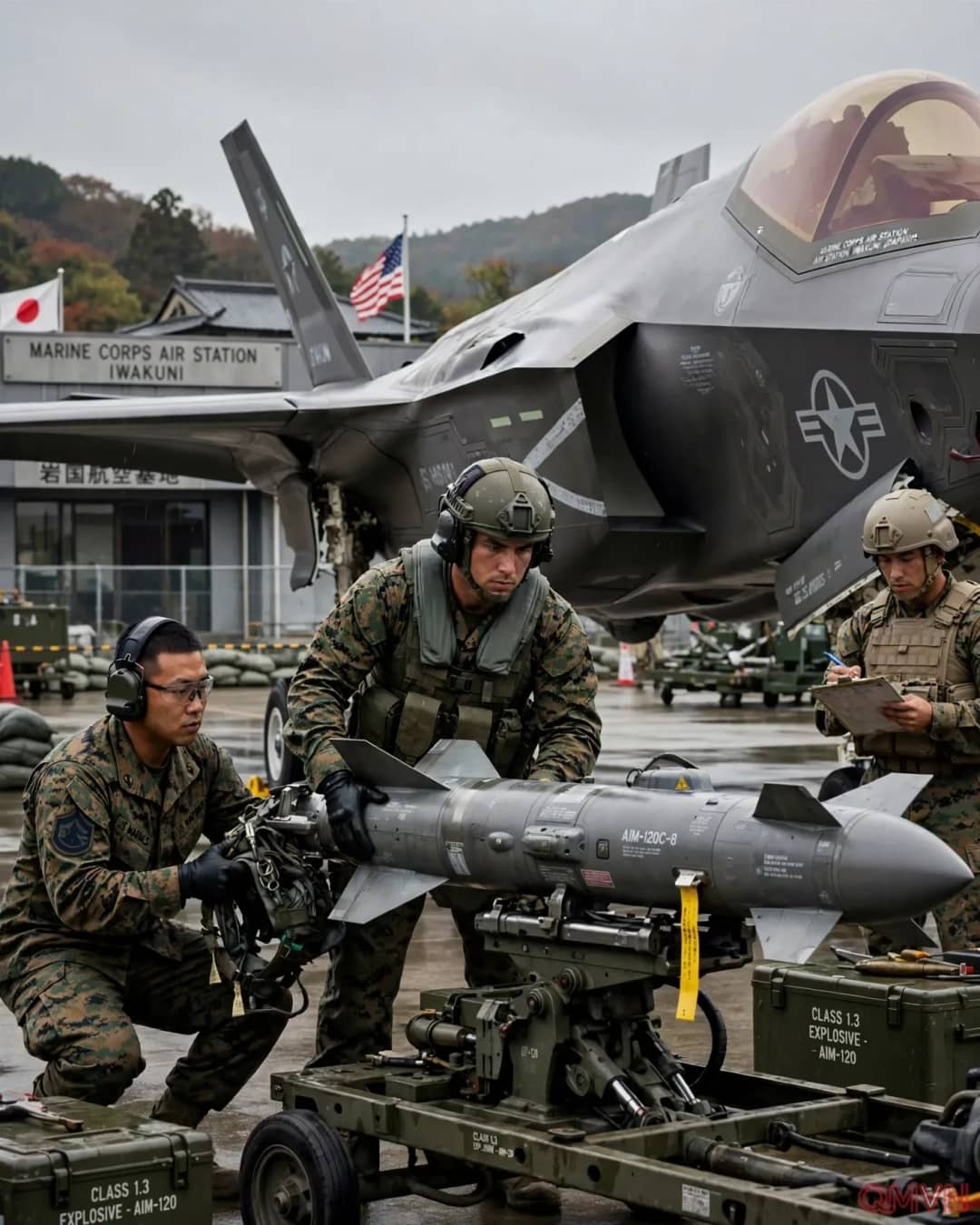
A missile assembly line in Japan
According to the South China Morning Post, the location of the facility has not been disclosed. The AMRAAM has long served as the U.S. military's main beyond-visual-range interception weapon; its latest variant, the AIM-120D, features GPS-aided guidance, longer range, greater lethality and better protection against electronic interference.
The deal is the next step in a co-production plan the two countries launched in 2025. Earlier, the U.S. State Department approved the sale of up to 1,200 AMRAAMs to Japan, worth about $3.64 billion. According to Japan's Defence Ministry, domestic production also aims to reduce dependence on external supply chains and help replenish U.S. stockpiles.
Beijing's response
Asked about the deal, Chinese foreign ministry spokesman Guo Jiakun said the current Japanese administration has used the pretext of responding to threats to continuously breach constraints imposed by international and domestic law, challenging the post-war international order, and urged the international community to remain vigilant.
“Bilateral security cooperation should not target or harm the interests of other countries.” — Guo Jiakun