MAIN ARTICLE
A shorter sentence is not an acquittal
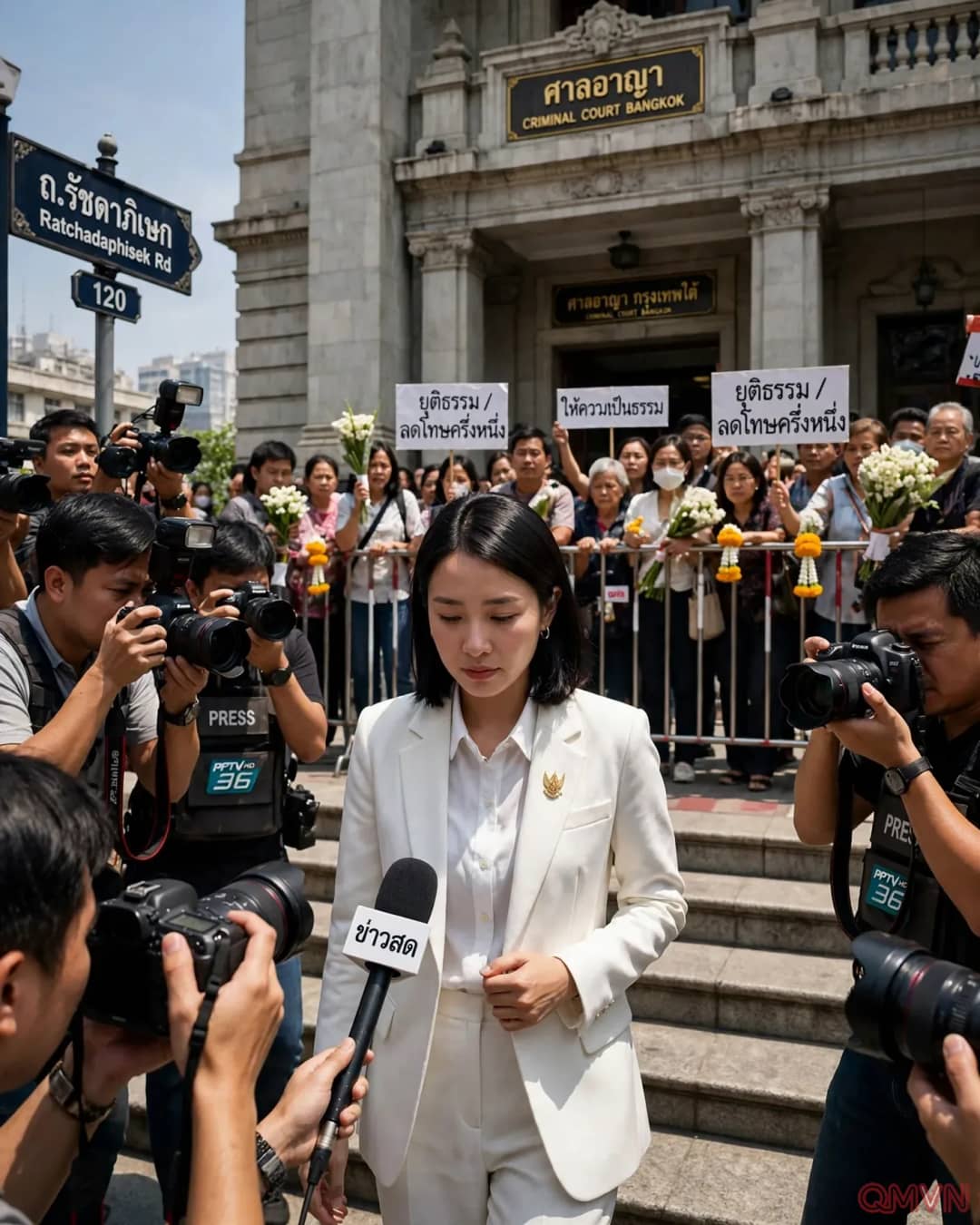
On November 23 the Court of Appeal cut the six-year sentence imposed on Rukchanok Srinork in 2023 to three years. Reuters and the Associated Press reported that the court retained the conviction under the provision protecting the monarchy but dismissed the part involving a social media post she had reposted. Thai outlets additionally reported that she was cleared of the Computer Crime Act allegation.
The reduction matters considerably to the defendant, yet the remaining prison term remains serious. Her legal position, public responsibilities and political future could still be affected. With a further appeal planned, Monday’s decision is a significant stage in the proceedings rather than a final resolution.
How online posts became a parliamentary case
The prosecution arose from social media activity in 2021: a post Rukchanok wrote and a separate post she shared. A lower court sentenced her in 2023. While appealing and remaining free on bail, she continued her parliamentary duties and was re-elected in February 2026.
Before entering electoral politics, Rukchanok gained prominence as an activist. She is now associated with the opposition People’s Party and insists she did nothing wrong. Her case illustrates how political speech made years before an election can remain consequential long after its author acquires a democratic mandate.
One law, deeply different interpretations
Section 112 of Thailand’s Criminal Code prescribes three to 15 years in prison for each act of defaming, insulting or threatening the king, queen, heir apparent or regent. The authorities defend the provision as a safeguard for an institution regarded as central to the country’s history and identity.
Rights groups and reform advocates, however, argue that broad enforcement can discourage legitimate political debate. The disagreement is not simply about one defendant or one online comment: it concerns where a society draws the boundary between protection of an institution, permissible criticism and criminal punishment.
The next rulings will matter
People’s Party leader Natthaphong Ruengpanyawut said the defence was seeking bail and preparing an appeal to the Supreme Court. Reuters noted that, under Thailand’s constitution, imprisonment following a final judgment can jeopardize a lawmaker’s seat, subject to exceptions and the precise legal circumstances.
It would therefore be premature to treat the appeals ruling alone as proof that Rukchanok has lost her seat or begun serving the full term. Decisions on bail, a subsequent appeal and finality of judgment remain pivotal. Constituents, meanwhile, have an interest in a transparent process that protects both legal rights and confidence in democratic representation.
A test of trust in the rule of law
According to figures from Thai Lawyers for Human Rights cited by Reuters, at least 199 people received prison sentences for alleged royal insults between May 2014 and July 2026. That context makes clear the law’s application reaches well beyond one high-profile parliamentarian. The numbers also require care: charges, convictions and final judgments describe different legal stages.
The broader challenge for Thailand is to maintain respect for its institutions while allowing responsible public disagreement. Halving a sentence changes one person’s position, but cannot by itself settle fundamental differences over criminal law, civil liberties and the relationship between voters and their representatives.