What the regulator found
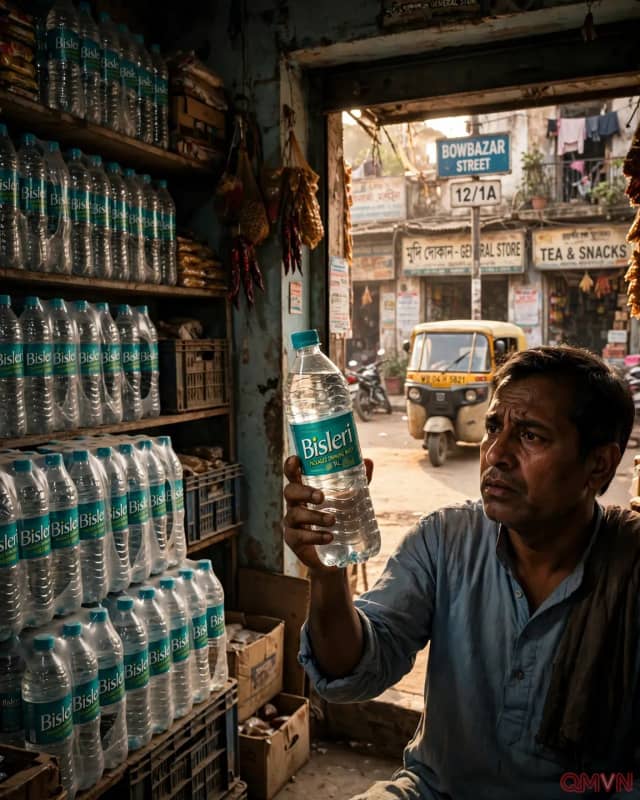
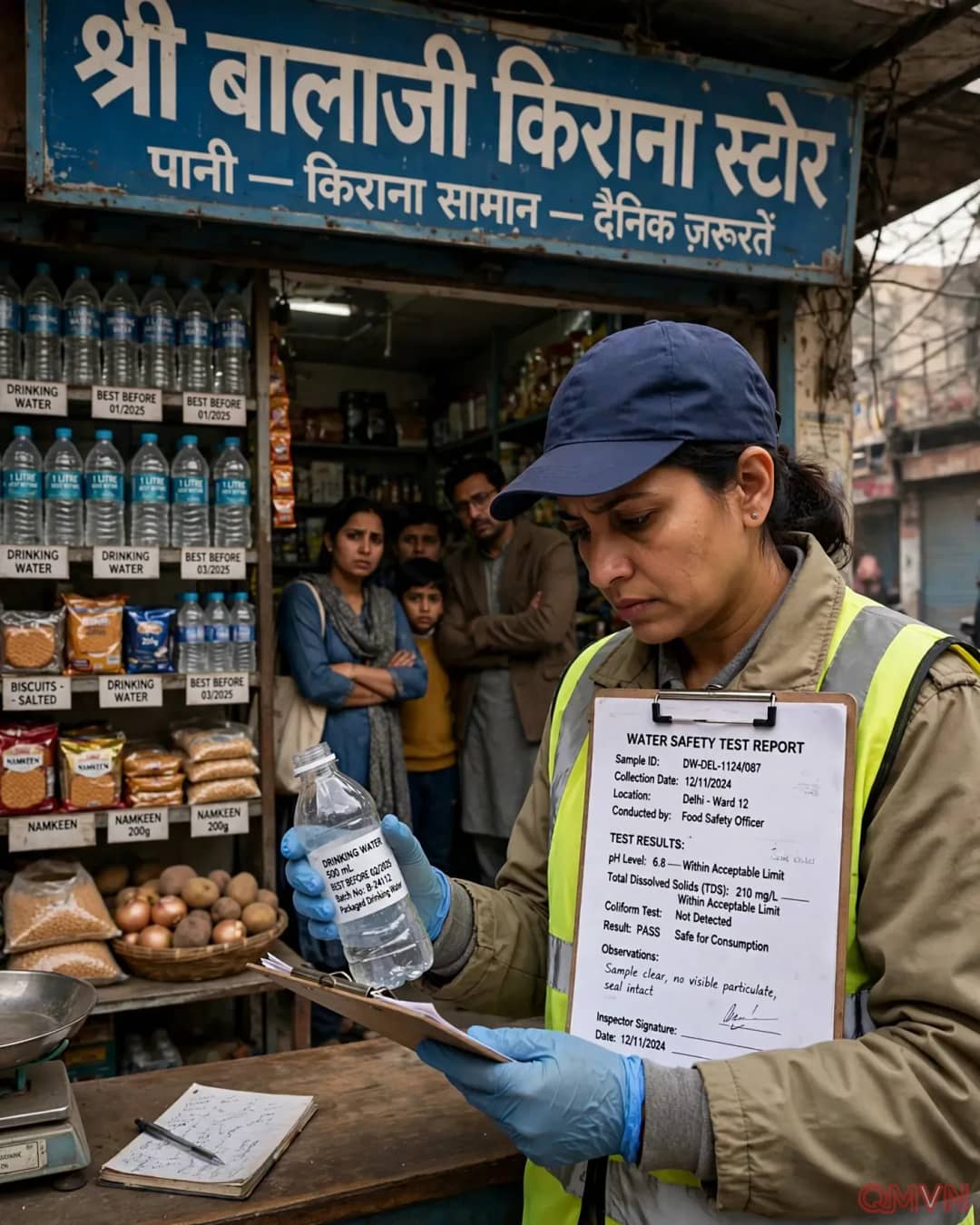
The Food Safety and Standards Authority of India said in a social media post on November 22 that the sample, taken from Bisleri's premises, did not meet prescribed limits for bromate. After Bisleri appealed, the regulator again found the sample unsafe, this time citing the detection of polynuclear aromatic hydrocarbons, or PAHs. A government source said the regulator would take legal action and expand testing to products from all companies.
According to the company, the scrutiny dates back to September 2025, when a sample from its facility in Goa showed bromate levels of 12 micrograms per litre, against a limit of 10. Bisleri said further independent testing it arranged found levels within the permitted range.
Bisleri's response
Bisleri has emphasised its commitment to quality and said it would work with the authorities.
Drinking water safety is a priority for Bisleri.
A government source said batches linked to the unsafe sample had been recalled and that later tests showed no problems with water quality.
However, a letter Bisleri sent to the regulator in February, seen by Reuters, indicated that no product from those batches remained on the market to be recalled by then, suggesting it had already been sold or consumed.
Understanding the health concerns
Both substances named by the regulator are monitored because of potential health risks:
- Bromate can form when water containing bromide is disinfected with ozone. Very high doses have been linked to kidney problems and hearing loss, although such cases involved exposure thousands of times above drinking water standards.
- Polynuclear aromatic hydrocarbons are a group of chemicals formed by incomplete burning of organic material. Some are considered toxic, mutagenic or carcinogenic, according to scientific research.
- Health effects generally depend on the level and duration of exposure, which is why regulators set strict limits.
Experts note that a single failed sample does not necessarily mean widespread contamination, but it underlines the importance of regular, independent testing.
A wider crackdown
The action against Bisleri comes as Indian authorities step up enforcement against major brands. The regulator and state authorities have conducted raids and taken action against companies over issues such as improper labelling, affecting restaurant chains such as Domino's and drinks makers such as Diageo. Broader testing of bottled water brands could reshape a competitive market in which Bisleri competes with PepsiCo, Coca-Cola and many regional producers.