MAIN CONTENT
A deadlocked summit raises the veto question
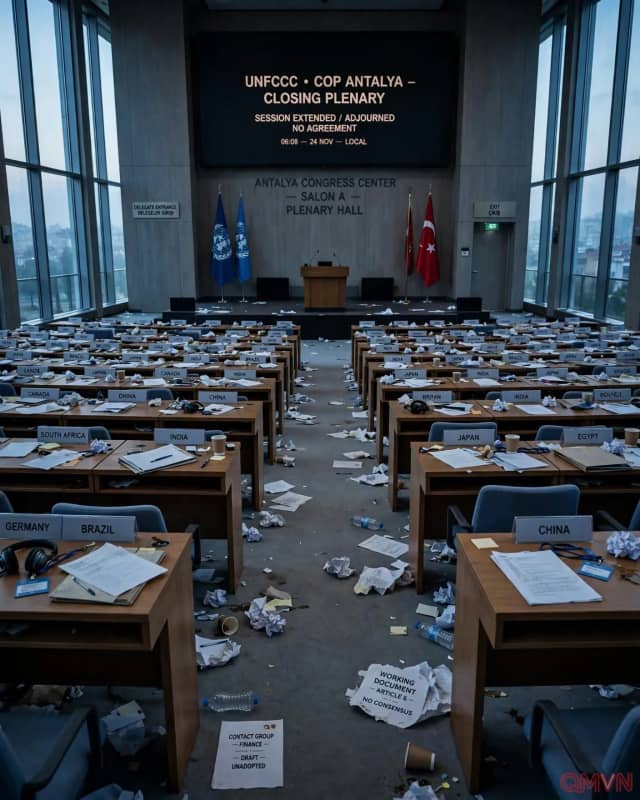
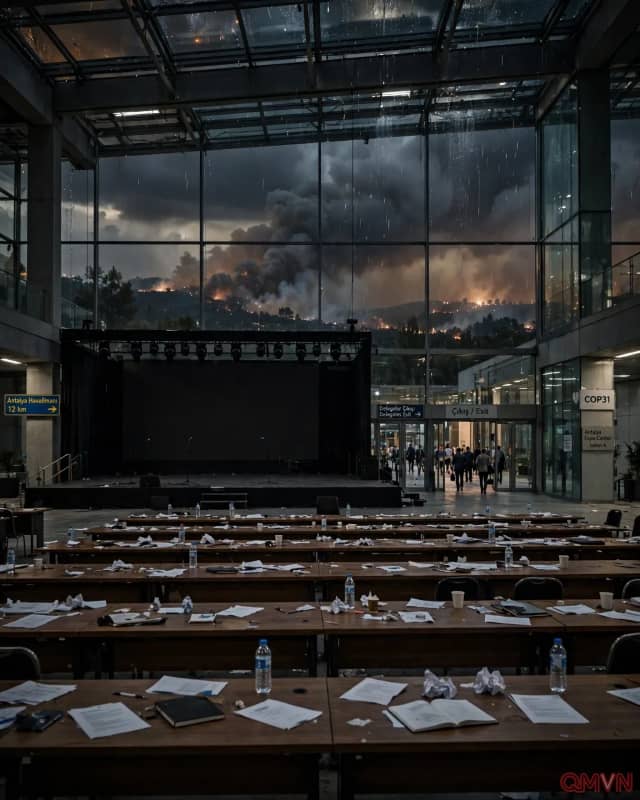
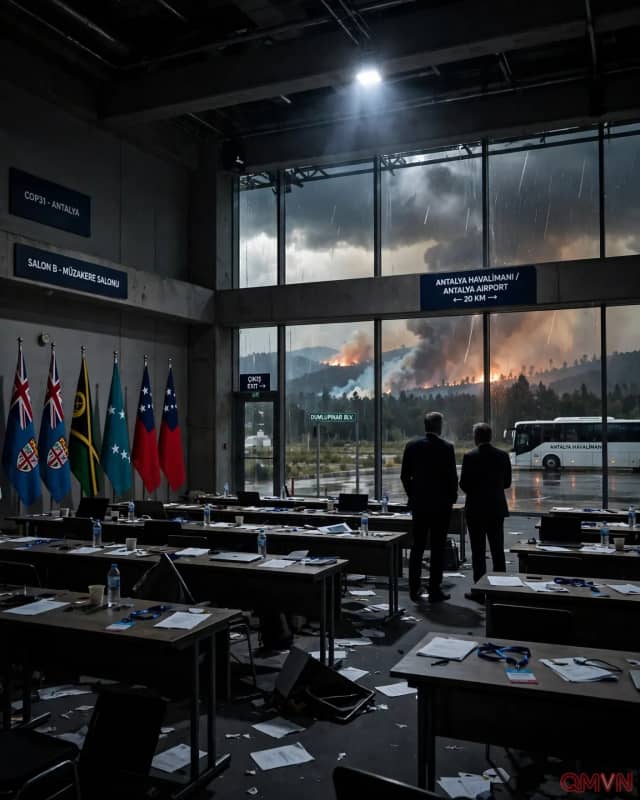
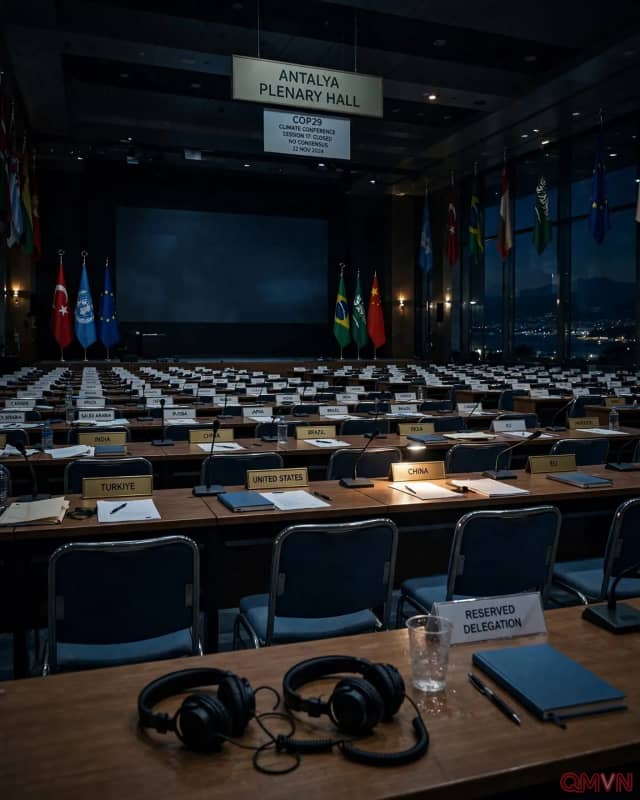
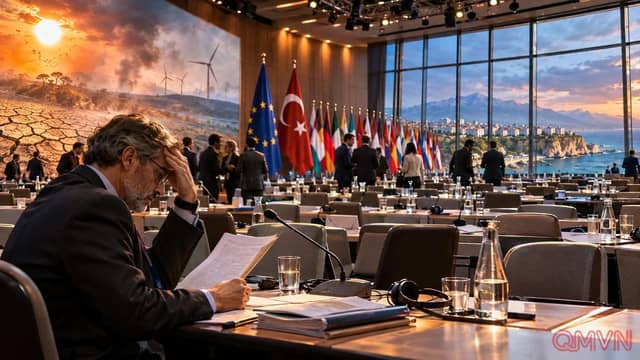
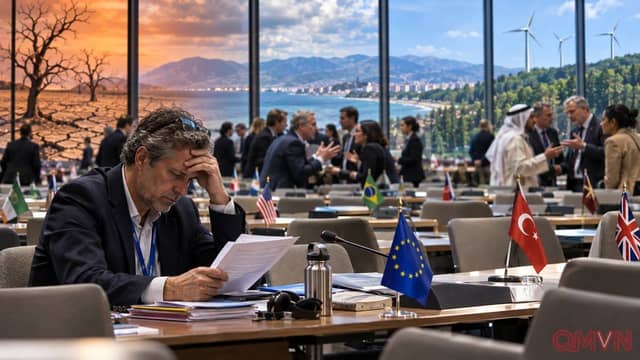
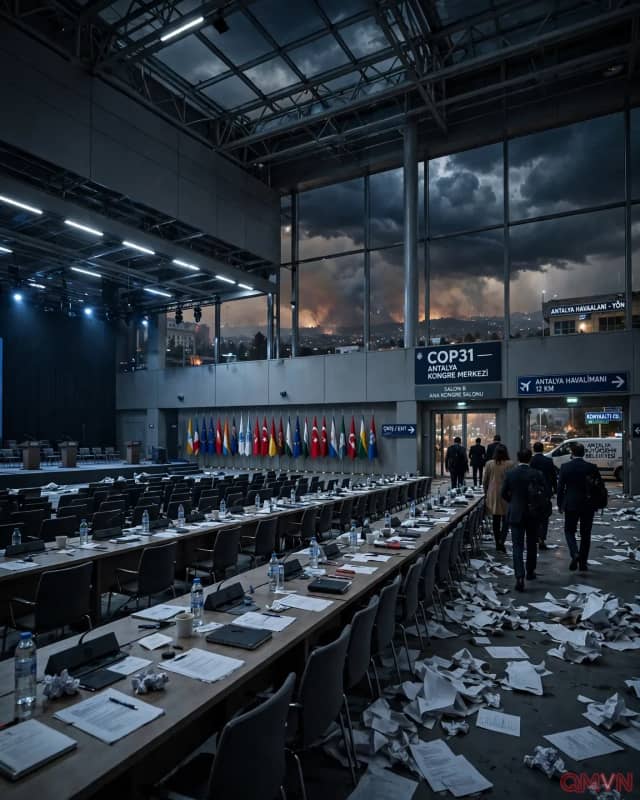
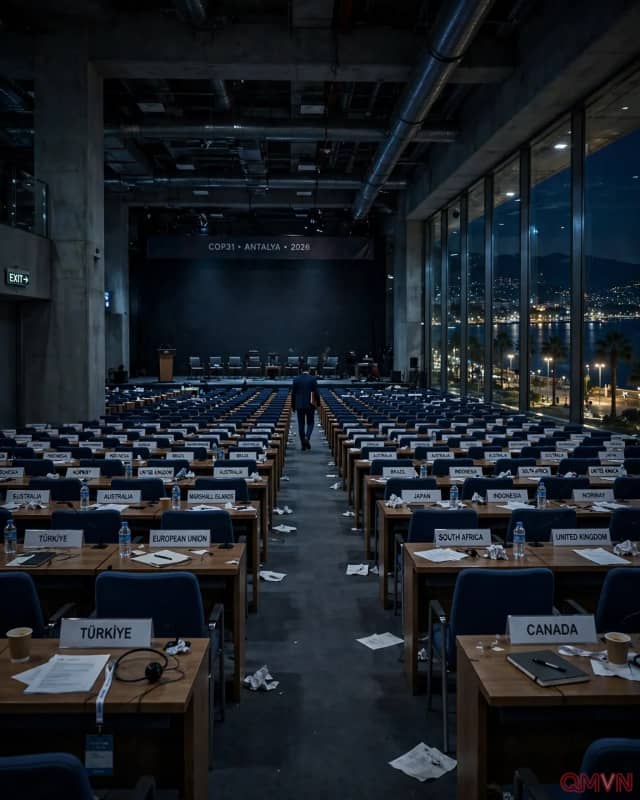
When COP31 president Murat Kurum said no further draft would be presented, delegates had already spent more than two weeks negotiating. The European Union and climate-vulnerable countries rejected a proposed overarching decision that failed to state clearly the need to move away from fossil fuels. Oil-producing countries, meanwhile, resisted language they feared could undermine revenue and energy security.
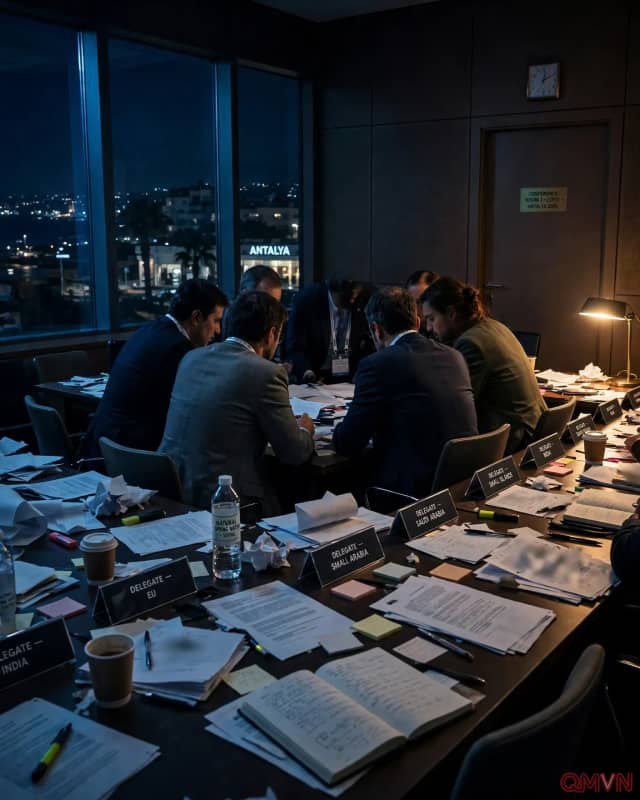
The dispute went beyond a phrase. Developing nations sought credible financing for flood protection, resilient agriculture and low-carbon development. Proposals emphasizing atmospheric carbon removal worried critics who feared such technology might become a rationale for continued oil and gas extraction. With those demands unresolved, the central text could not gain support.
Consensus protects small states against being routinely overruled by powerful countries, but it can also allow a narrow minority to block broader agreement. Australian climate minister Chris Bowen acknowledged this structural problem. The paradox is that amending consensus rules would itself require agreement among countries that currently disagree about how to proceed.