MAIN CONTENT
A border river becomes a national concern
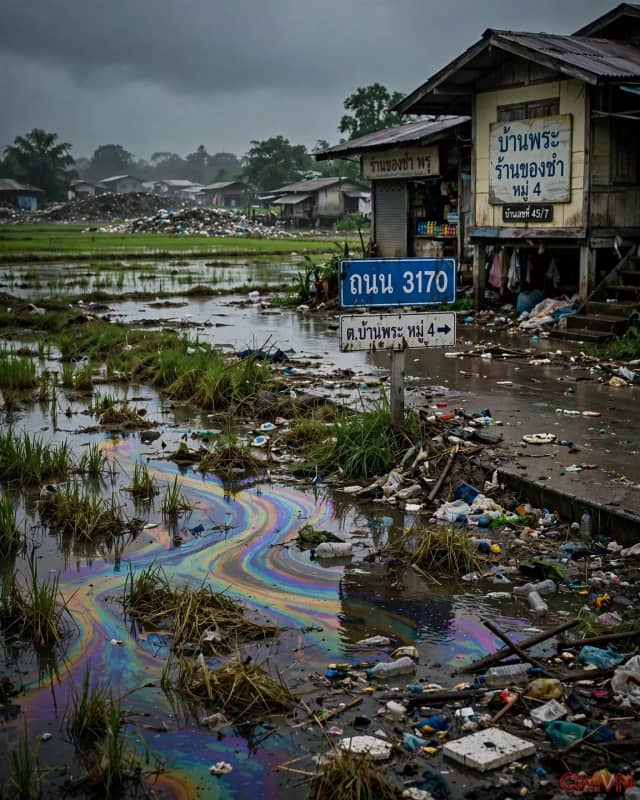
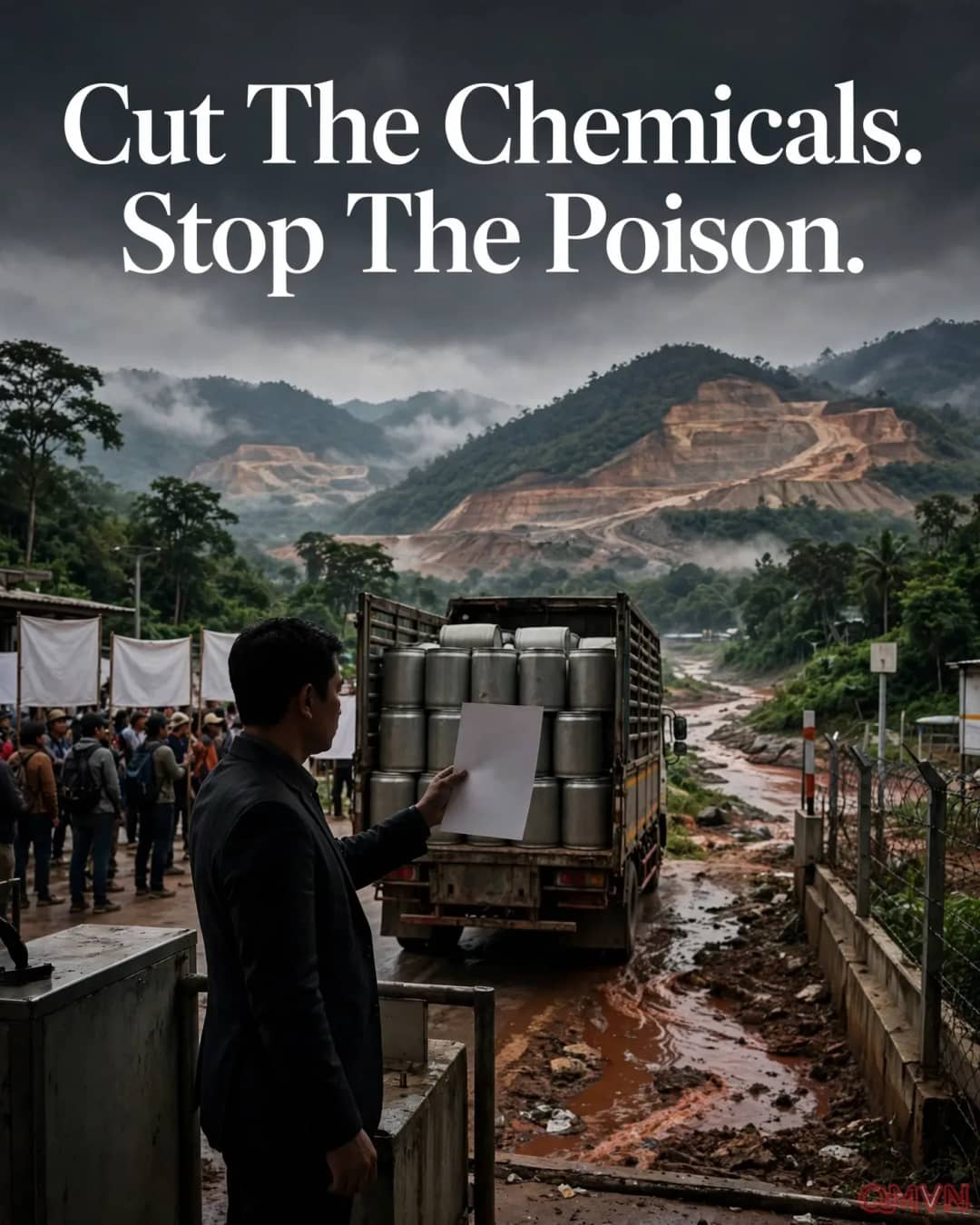
In northern Thailand, the Kok River is more than a geographic boundary. Families use rivers and connected waterways for irrigation, fishing and local commerce, making reports of contamination a direct livelihood issue. The November 22 announcement followed a demonstration near the Myanmar border in Chiang Rai, where campaigners called attention to the human cost of mining upstream. Government action therefore faces two audiences: residents seeking protection now and trading partners concerned about access to critical mineral inputs.
Thai authorities said they intend to identify part of the Kok River as a pollution-control zone. Such a designation could strengthen monitoring and coordination, but a legal label cannot, by itself, remove contaminants already present. Public confidence will depend on repeated sampling, accessible test results and practical guidance on when water, fish or agricultural produce can be used safely. No complete remediation plan was detailed in the initial Reuters report.
Using trade controls to influence upstream practices
Yodchanan described the chemical-export initiative as an effort to use every available channel. Separate Thai reporting indicates officials are considering restrictions on both exports and transit shipments.
That distinction matters: goods manufactured elsewhere may cross Thailand on their way to mines in Myanmar. Thai PBS World has noted enforcement complications where Myanmar buyers source chemicals from third countries, limiting the effect of a purely domestic export ban.
Officials have not published a comprehensive restricted-products list or explained how they will distinguish legitimate industrial uses from supplies intended for mining. Effective controls would require customs classifications, licensing checks, cooperation among border agencies and safeguards against rerouting. A poorly targeted measure could inconvenience unrelated businesses while leaving the most polluting operations untouched. The policy's credibility will rest less on the announcement than on traceable enforcement and evidence of reduced discharges.
Three countries, different interests
Thailand, China and Myanmar are due to discuss the issue between November 24 and 26. For Bangkok, the priority is downstream water quality and residents' health. Myanmar's fragmented governance and contested mining areas complicate consistent inspection and accountability. China occupies a central position in the rare earth value chain as a processor and buyer, giving regional coordination economic weight as well as diplomatic sensitivity. These interests need not be identical for cooperation to become possible.
A workable framework might combine information-sharing on mine locations, independent river sampling, verified controls on hazardous inputs and commitments to deal with contaminated waste. Yet the existence of talks does not guarantee agreement, and Thailand has not announced a jointly accepted timetable for remediation. Environmental advocates may press for stronger action at mining sites themselves; industry participants may seek predictable rules rather than abrupt disruptions to mineral flows. Both concerns should be judged against publicly measured outcomes.
The wider cost of strategic minerals
Rare earth elements are used in advanced magnets and technologies ranging from electric vehicles to industrial equipment. Their strategic value has encouraged investment in extraction, but poorly managed operations can shift environmental costs onto communities far from the eventual consumer. The Stimson Center has documented numerous unregulated mining locations along mainland Southeast Asian river systems, while an Associated Press investigation described the effects of contaminated tributaries on fishing and agriculture.
Environmental damage cannot automatically be assigned to a single chemical or mine without site-specific investigation. Gold extraction and other mining activity also occur in parts of the watershed, and pollutants can travel through complicated river networks. That uncertainty strengthens the case for transparent testing rather than weakening the need for action. Policymakers must protect downstream communities while building evidence strong enough to identify sources, assign responsibility and monitor whether interventions work.